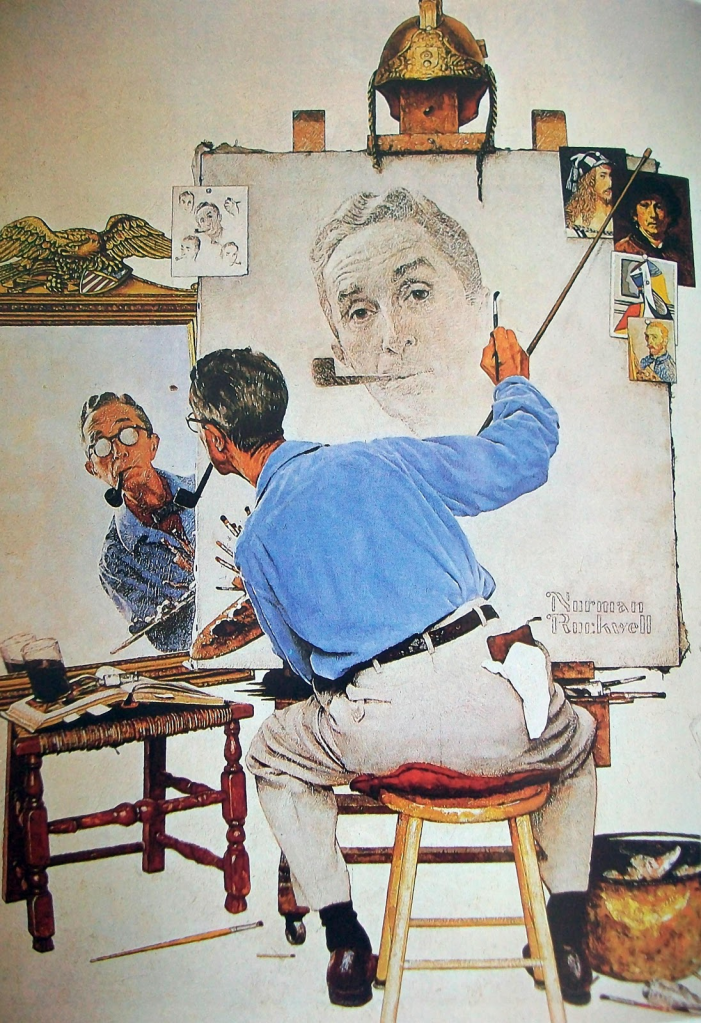
Norman Rockwell, a master of American illustration, captured the heart and soul of everyday life in the 20th century. His art, renowned for its rich storytelling and emotional depth, adorned the covers of The Saturday Evening Post for nearly five decades. Rockwell’s work resonates with a timeless charm, portraying scenes of humor, patriotism, and human connection.
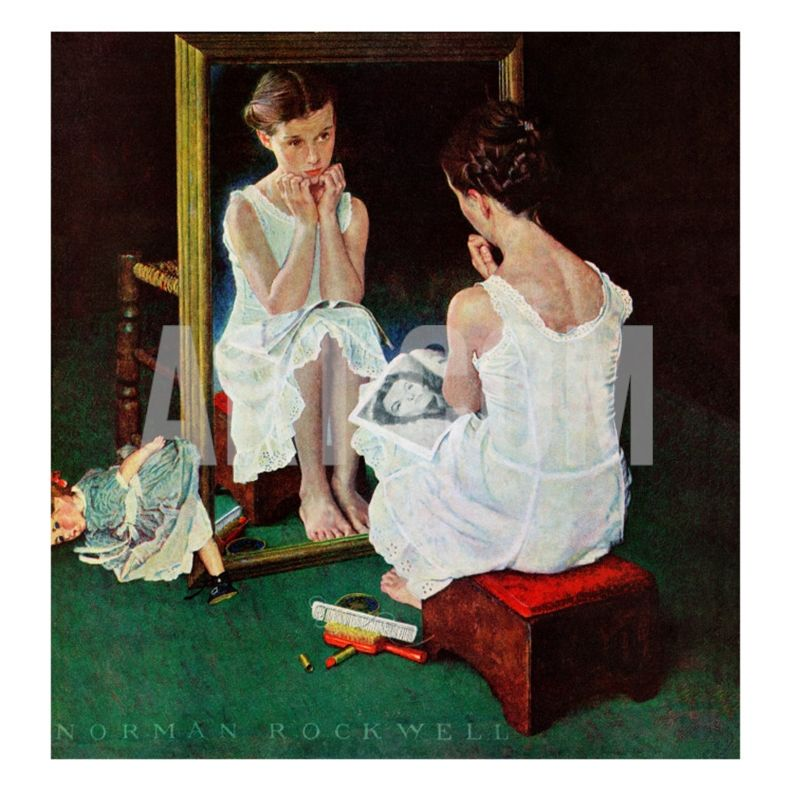
Rockwell’s keen eye for detail and his ability to depict the subtleties of human expression made his art uniquely relatable. From the innocence of childhood to the complexities of societal change, his paintings often told stories that words could scarcely convey. Iconic pieces like “Freedom from Want” and “Girl at Mirror” not only reflect his technical brilliance but also his deep empathy and social consciousness.
Beyond mere illustration, Rockwell’s art is a vibrant historical record, chronicling the American experience with warmth and sincerity. His ability to blend realism with idealism created a visual narrative that continues to inspire and comfort viewers today.
Exploring Norman Rockwell’s artwork is like taking a journey through the American spirit, reminding us of the enduring values of kindness, resilience, and unity.
Hope you enjoyed this art history post, thanks for stopping by!!
Cecilia Beaux, an extraordinary portrait artist of the late 19th and early 20th centuries, is celebrated for her exquisite ability to capture the essence of her subjects with grace and sophistication. Born in Philadelphia in 1855, Beaux’s remarkable talent and dedication to her craft earned her a prominent place in the art world, rivaling her male contemporaries like John Singer Sargent.
Beaux’s portraits are renowned for their meticulous detail, luminous quality, and psychological depth. She had a unique gift for portraying not just the physical appearance of her subjects, but also their inner lives and personalities. One of her most famous works, “Sita and Sarita” (shown above), beautifully illustrates her skill in rendering the delicate interplay of light and shadow, bringing her subjects to life with astonishing realism.
What sets Beaux apart is her ability to infuse her portraits with a sense of intimacy and connection. Her paintings often depict family members, friends, and notable figures of her time, each rendered with a sensitivity that reveals their individuality and character. Her work is a testament to her belief that a portrait should be a true representation of the person, capturing their spirit and essence.
Cecilia Beaux’s legacy extends beyond her stunning artworks. She broke barriers in a male-dominated field, paving the way for future female artists. Her achievements are a testament to her exceptional skill, perseverance, and passion for art. Her portraits continue to inspire and captivate, showcasing the enduring power of art to touch the human soul.
Thanks for joining me in celebrating the incredible artistry of Cecilia Beaux. I hope her story and work inspire you as much as they inspire me!
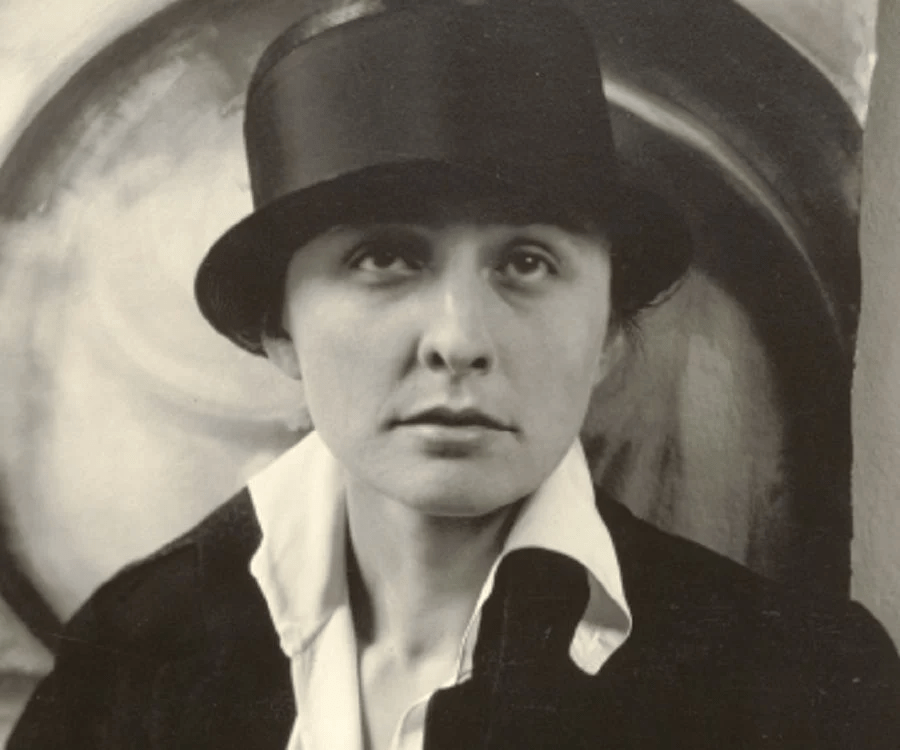
In the realm of American art, few names resonate with as much brilliance and innovation as Georgia O’Keeffe. Her iconic works, characterized by bold colors and an unparalleled sense of abstraction, have etched her name into the chronicles of art history.
Born on November 15, 1887, in Sun Prairie, Wisconsin, O’Keeffe’s journey to artistic eminence was a gradual but determined one. After studying at the Art Institute of Chicago and the Art Students League in New York, she honed her craft, eventually forging a distinctive style that would set her apart in the male-dominated art world of the early 20th century.
O’Keeffe’s artwork is perhaps most renowned for her depictions of flowers, particularly her larger-than-life renderings of blossoms such as “Jimson Weed” and “Black Iris” (both shown below). These paintings, with their meticulous attention to detail and magnified perspectives, transcend mere representation, offering viewers a glimpse into O’Keeffe’s profound reverence for the beauty and mystery of nature.
Jimson Weed – Georgia O’Keeffe
Black Iris – Georgia O’Keeffe
Yet, O’Keeffe’s artistic repertoire extends far beyond floral motifs. Her evocative landscapes, inspired by the stark beauty of the American Southwest, capture the essence of the desert with a simplicity and depth that is truly captivating. From the majestic contours of the New Mexico terrain to the haunting allure of bleached bones against a vast sky, O’Keeffe’s landscapes invite us to contemplate the raw, elemental forces of the natural world.
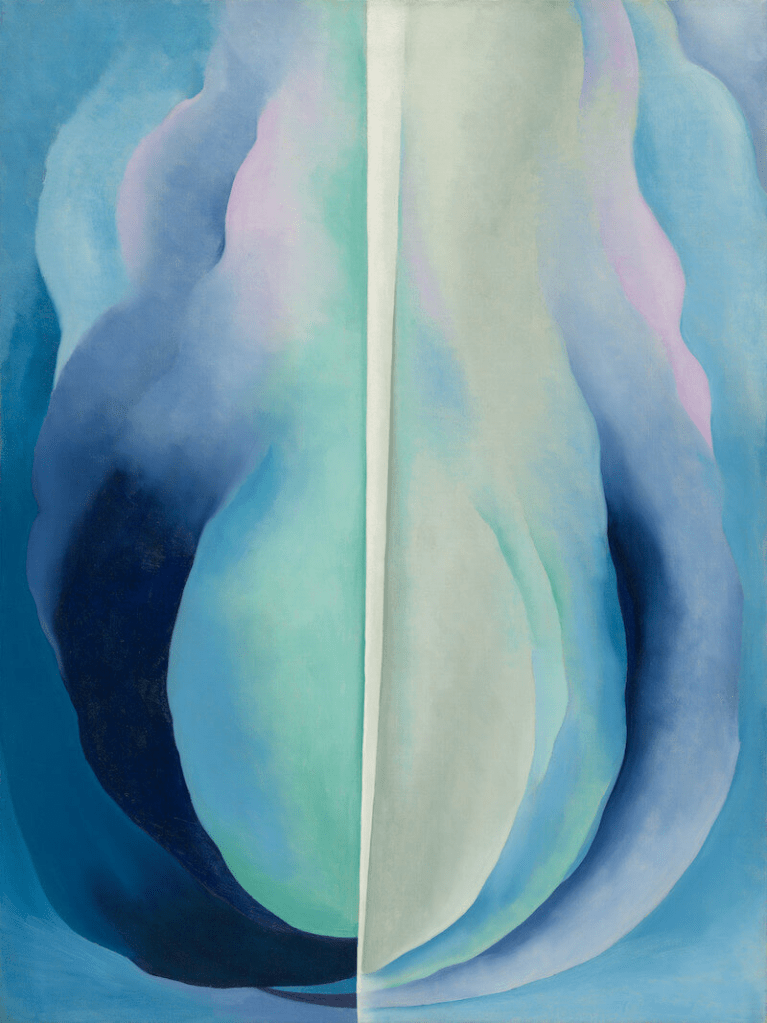
In addition to her mastery of painting, O’Keeffe was also a pioneer of modernism, experimenting with abstraction in ways that challenged conventional notions of representation. Her series of abstract works, such as “Music—Pink and Blue No. 2” and “Abstraction Blue (both shown below),” showcase her innovative use of form and color to evoke emotional and psychological states, inviting viewers to explore realms beyond the confines of the tangible.
Music—Pink and Blue No. 2 – Georgia O’Keeffe
Abstraction Blue – Georgia O’Keeffe
Today, Georgia O’Keeffe’s legacy endures as a testament to the power of artistic vision and the enduring allure of the natural world. Her paintings continue to inspire and captivate audiences around the globe, reminding us of the boundless possibilities of creativity and the eternal beauty that surrounds us.
In the words of O’Keeffe herself, “I found I could say things with color and shapes that I couldn’t say any other way—things I had no words for.” Indeed, her art speaks volumes, transcending language and time to touch the hearts and minds of all who behold it.
Hope you enjoyed this today, thanks for stopping by!!





 Flowing Waters Art