Thoughtful Thursday Realism Art

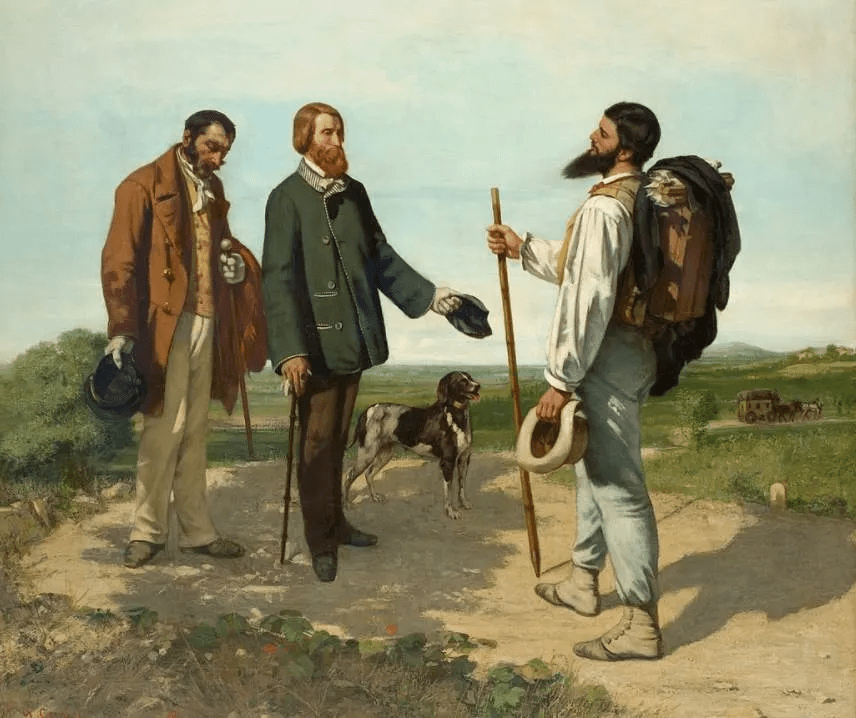
The Meeting by Gustave Courbet (1854)

Realism, emerged in the mid-19th century as a reaction against the idealized and romanticized depictions prevalent in art. Rooted in a desire to represent everyday life, realism sought to capture the world as it truly appeared, without embellishment. This artistic movement revolutionized the art world, paving the way for a new era of authenticity and truthfulness in artistic expression.

At the heart of Realism is a commitment depicting the world with vivid detail and uncompromising honesty. Artists of this movement sought inspiration from the lives of ordinary people, exploring themes such as social injustice, poverty, and the harsh realities of urban life. Through their works, they sought to shed light on the human condition and provoke thought and reflection among viewers.

One of the most influential Realist artists was Gustave Courbet, often hailed as the father of the movement. His bold and unflinching portrayals of rural life and labor, as seen in works like “The Stone Breakers” and “A Burial at Ornans,” (shown below) challenged traditional artistic conventions and sparked controversy within the art world.
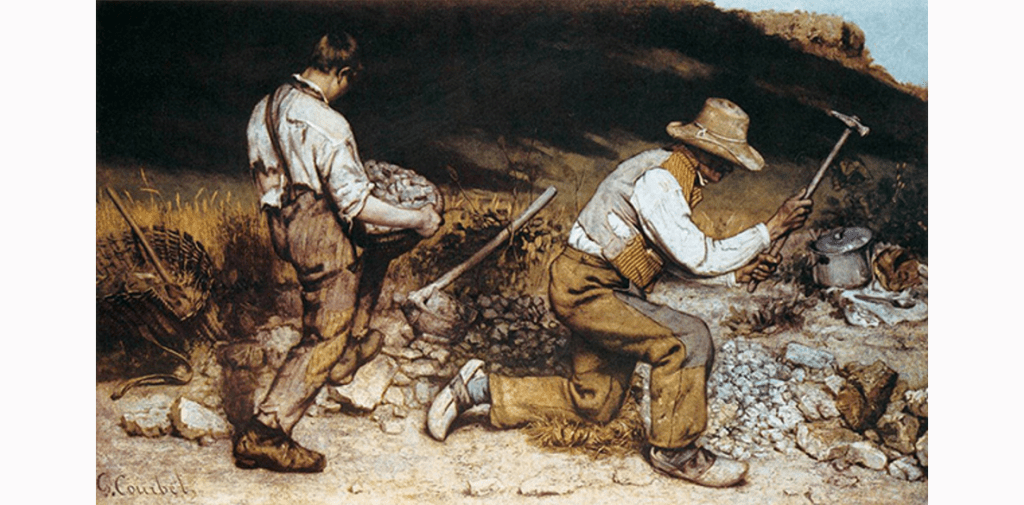
The Stone Breakers by Gustave Courbet (1849)
A Burial at Ornans by Gustave Courbet (1849)

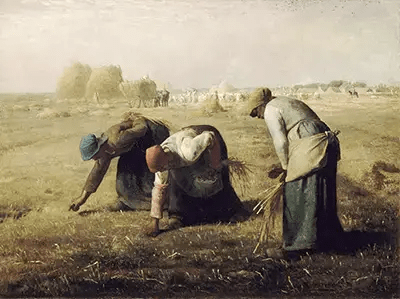
Another prominent figure in Realism was Jean-François Millet, whose poignant depictions of peasant life captured the dignity and resilience of the rural poor. His iconic painting “The Gleaners” (shown below) remains a powerful symbol of solidarity and perseverance in the face of adversity.

In addition to Courbet and Millet, other notable Realist artists include Honoré Daumier, Édouard Manet, and Winslow Homer. Each of these artists brought their own unique perspective and style to the movement, contributing to its rich and diverse legacy.

Despite its origins in the 19th century, the principles of Realism continue to resonate with artists and audiences today. In an age marked by rapid technological advancement and social change, the pursuit of truth and authenticity in art remains as relevant as ever. Through their commitment to depicting the world as it truly is, Realist artists have left a lasting mark on the history of art, inspiring generations to come.

Hope you found this history in art enlightening, thanks for stopping by!!

Share the Happyđź’–

The Gleaners by Francois Millet (1857)
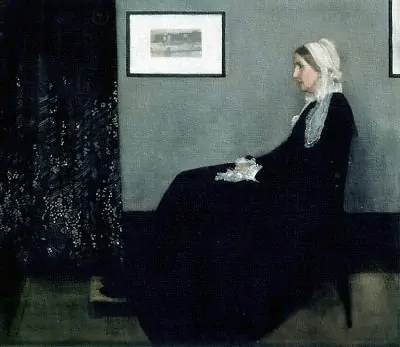
Whistler’s Mother by James McNeill Whistler (1871)

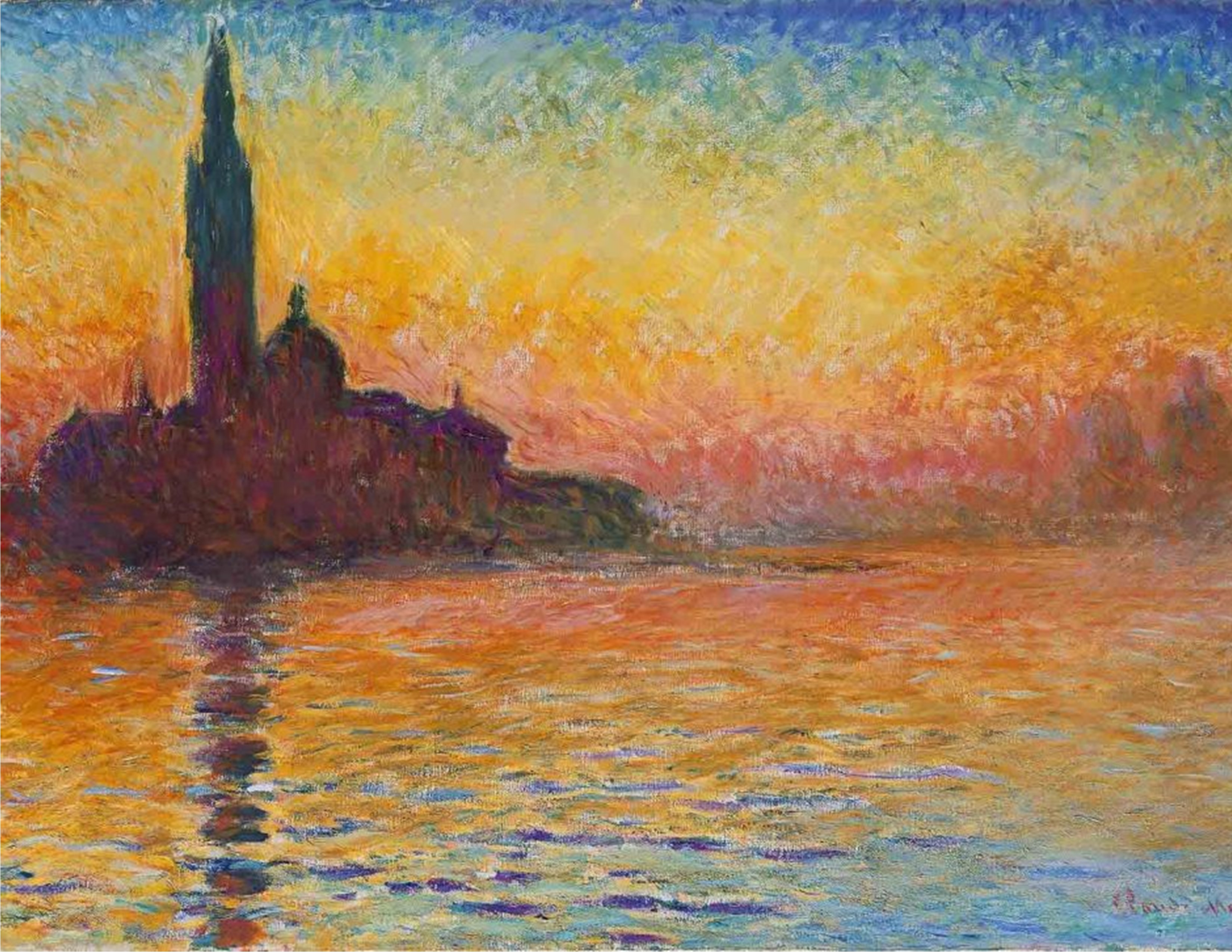
Thoughtful Thursday Claude Monet

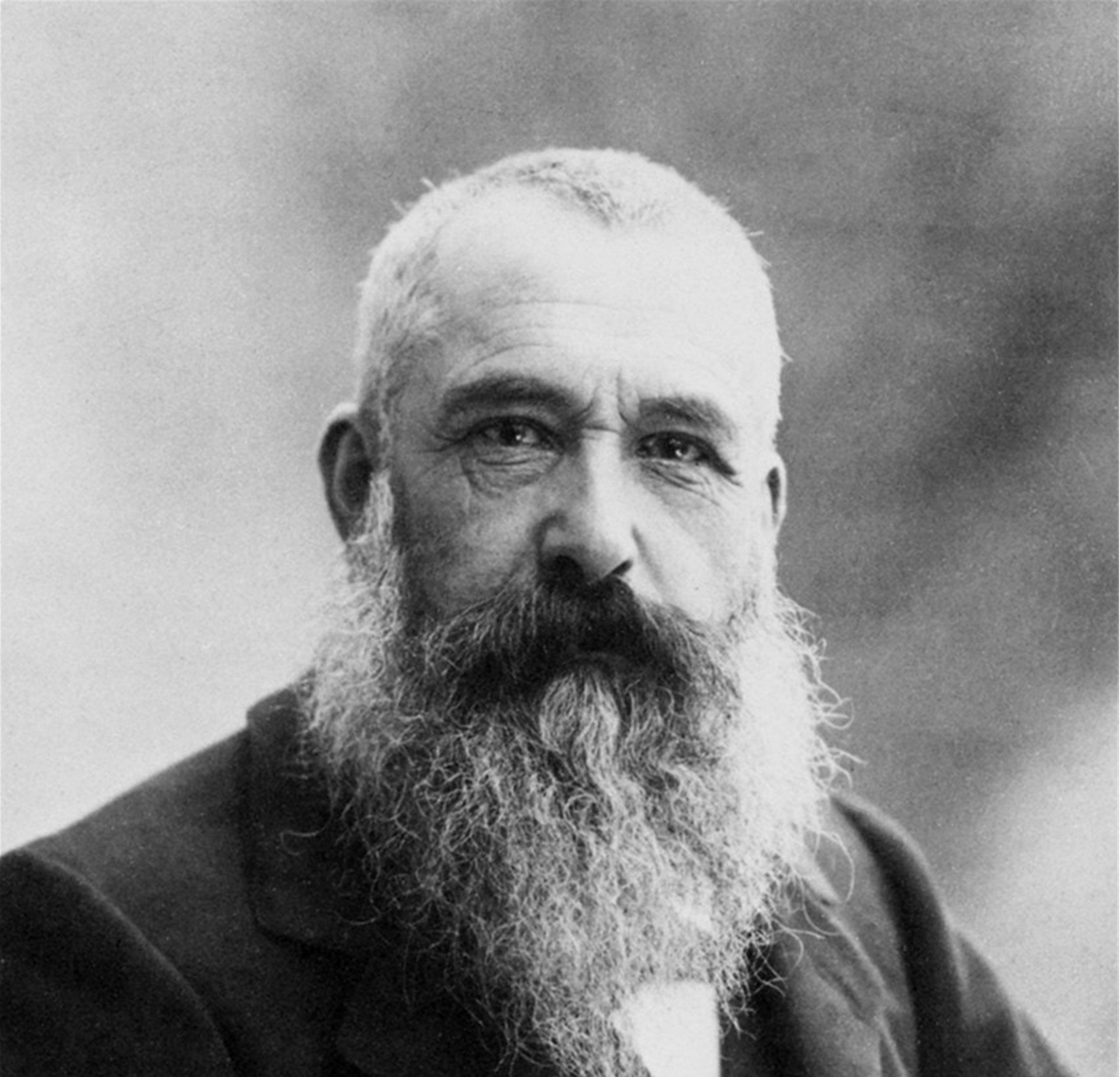
Claude Monet was a famous impressionist artist who was born in Paris, France November 14, 1840. As a young child he loved to draw and would make money creating drawings of people that were quite good. His mother supported his interests in becoming an artist but his father felt he would do better to stay in the family business as a grocer. Luckily for all of us, he chose to pursue his passion in art.

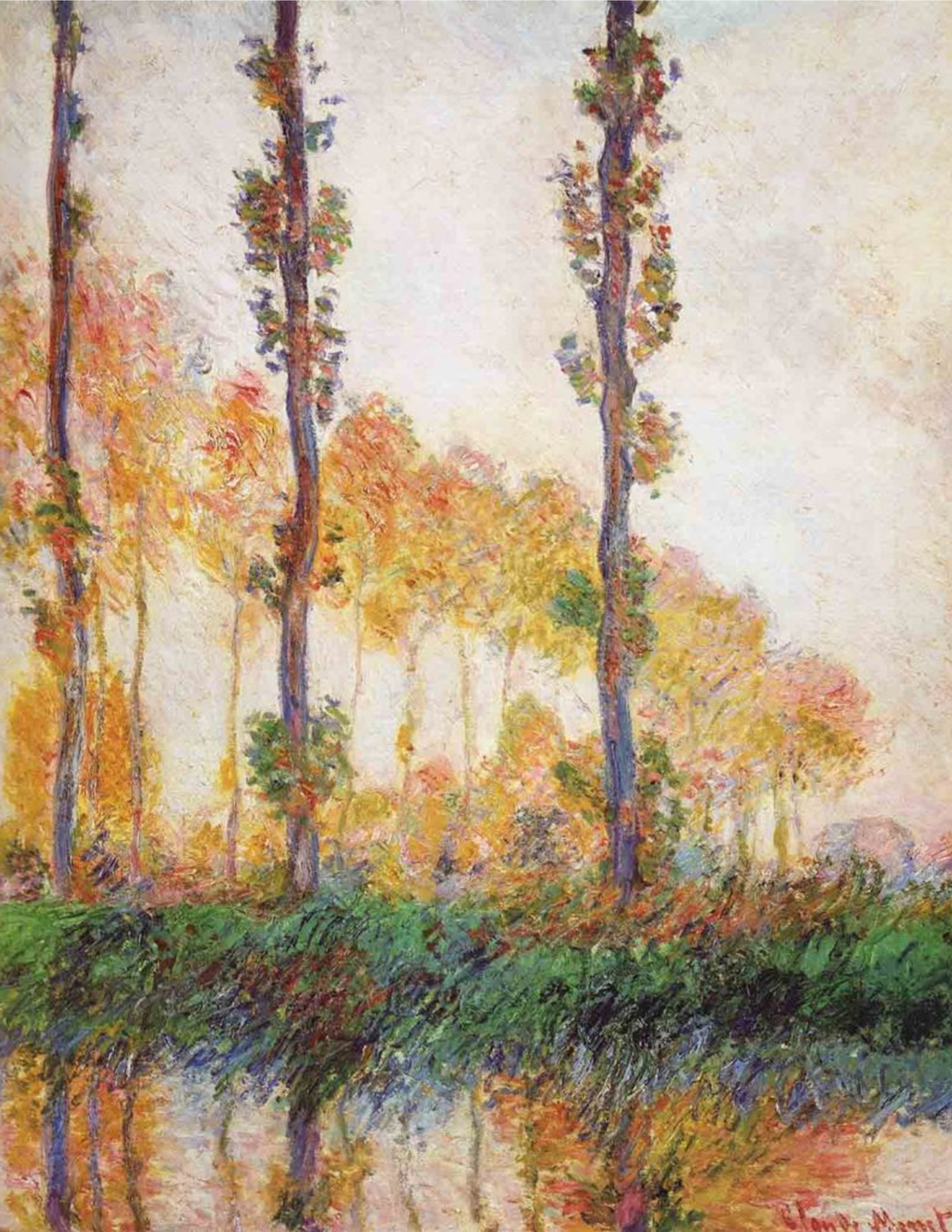
During the late 19th and early 20th centuries (1867 – 1886), Impressionism art was born in France. It was a major movement of that time. Impressionism is a style of painting that attempts to portray visual reality with transient effects of color and light.

Claude Monet became known as one of the principal painters of this style. It is his work that inspired me to try impressionism painting which I love. It was much harder than I had anticipated and as a result gave me a greater respect for the amount of work that goes into creating one of these paintings.

Claude Monet, Frederic Bazille, Pierre Auguste Renoir, Alfred Sisley along with other well known artists would work together and influence each other’s art especially during exhibits. But it was Edouard Manet, an established artist who greatly influenced Monet’s work in the 1860’s.

The painting above titled “Woman with a Parasol” was painted by Monet in 1875. It’s an oil painting on a 39.4 x 31.9 inch canvas (100 x 81 cm). This painting belongs to a series that Monet created during the summers of 1875 and 1876. His wife Camille and his son, Jean served as his models for this painting which were set in the gardens surrounding his 2nd home in Argenteuil, located in the suburbs of Paris.

At the age of 85, Claude Monet passed away on December 5, 1926 in Giverny, France. He left us a legacy of stunning art that is admired and inspires us today.

Hope you enjoyed this art history post, thanks for stopping by!!

Share the Happyđź’–

“Everyone discusses my art and pretends to understand, as if it were necessary to understand, when it is simply necessary to love.” ~Claude Monet