Why a Vitamix Blender is Worth the Investment

I use my blender every single day—mostly for smoothies, but occasionally for soups too. Because of how much I relied on it, I found myself replacing my blenders every 12 to 15 months. Each time, I’d upgrade to a slightly more expensive model, thinking it would last longer. But no matter how much I spent, they always broke down.

Then came the moment when I told my husband I wanted to invest in a Vitamix. He thought I was crazy—after all, it was way more expensive than the others I had bought. But unlike those cheaper blenders with a flimsy one-year warranty (if that), the Vitamix came with an optional upgrade to a 10-year warranty. That alone made me think, this must be built to last.

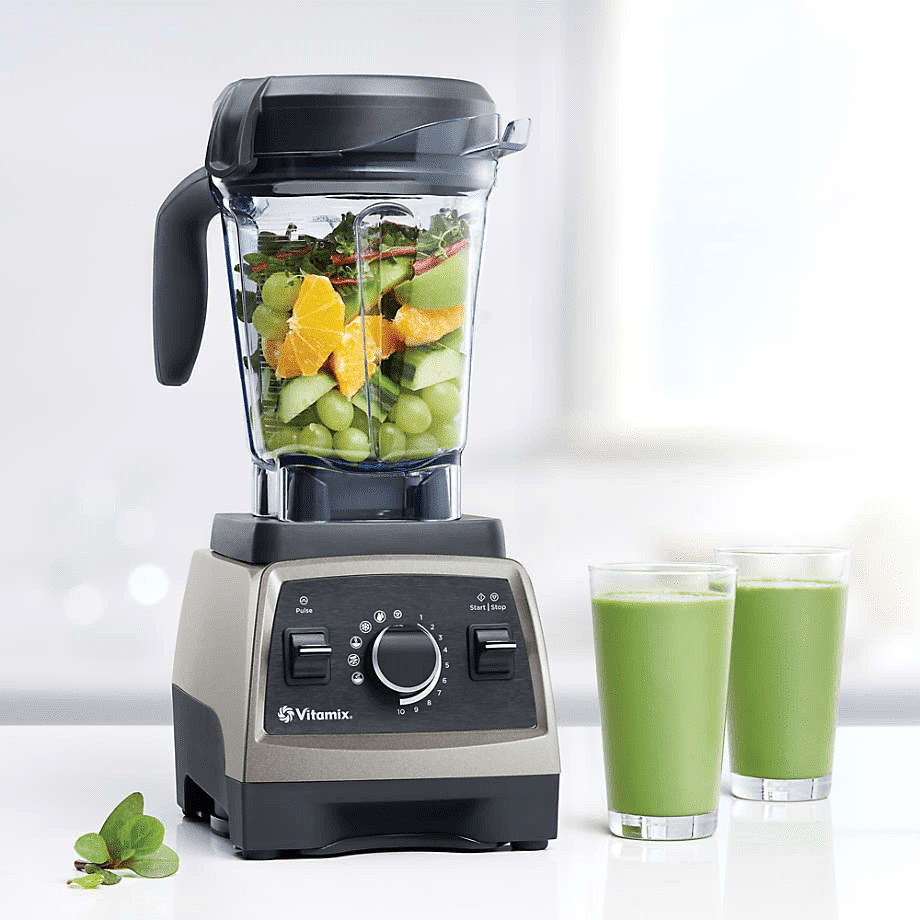
Well, fast forward 12 years, and I’m still using my Vitamix Pro Series Blender—and I wouldn’t trade it for anything!

If you love blending up smoothies, soups, or sauces, the Vitamix is a game-changer. Its powerful motor and durable design handle everything from frozen fruit to tough greens, creating silky-smooth blends every time.

But what really sets it apart is its versatility. It’s not just for smoothies—you can whip up nut butters, hot soups (it heats through friction!), and even dough. And the best part? The self-cleaning function makes cleanup effortless.

Yes, it’s an investment, but after going through so many blenders in the past, I can say with confidence—it’s worth every penny. If you’re serious about blending, this is the one to get!

Are you a fellow Vitamix fan? Share your favorite recipes or tell me what you’d love to try—let’s chat in the comments! 🍓🥑🥣✨

Thanks for stopping by!

Share the Happy💖

Thoughtful Thursday Maximize Health Benefits: Focus on Organic Dirty Dozen & Clean Fifteen

Photo by Mark Stebnicki on Pexels.com

As awareness of health and environmental issues continues to grow, more people are turning to organic produce to reduce their exposure to pesticides and support sustainable farming practices. While buying all organic can be costly, alternatively you can focus on certain fruits and vegetables to maximize the benefits.

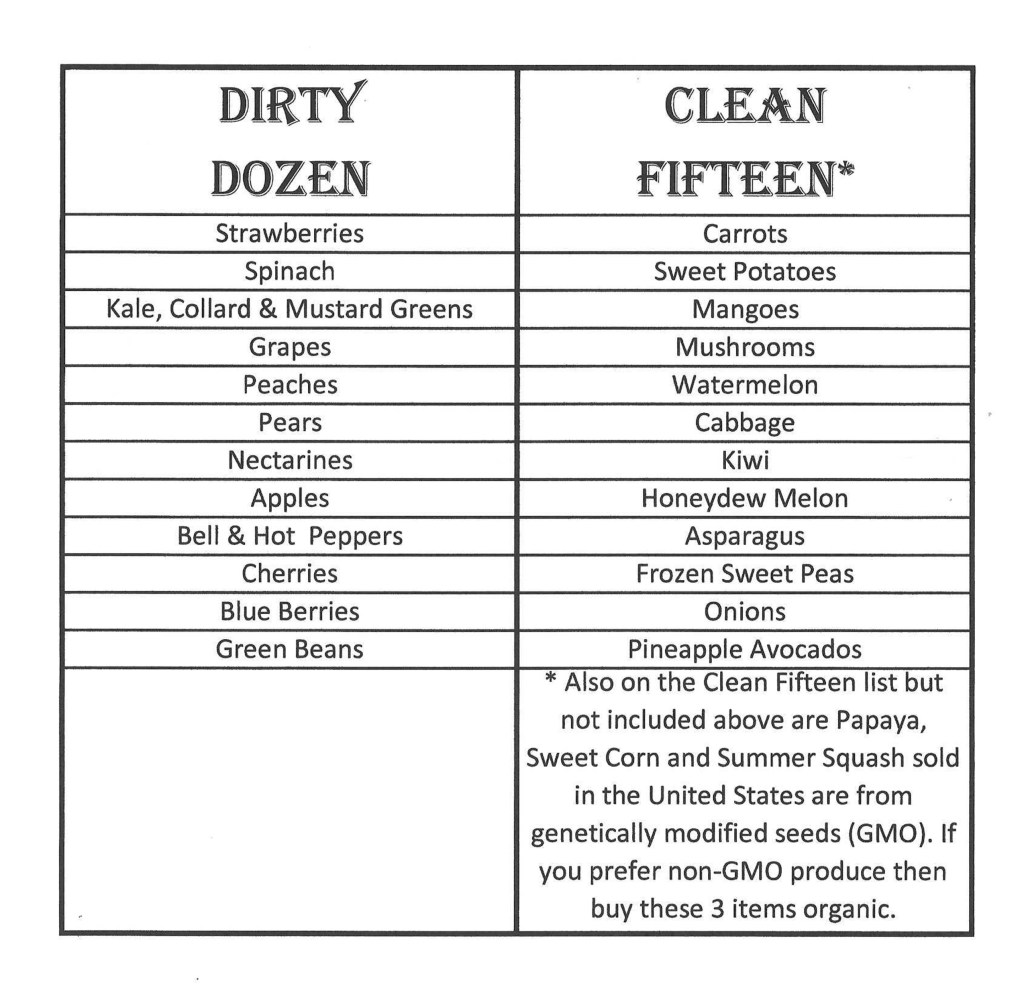
The Environmental Working Group (EWG) publishes two primary lists every spring, the “Dirty Dozen” which is safest to buy organic and the “Clean Fifteen” which is safest to buy conventionally.

Here are some tips on making shopping for organic produce easier on the wallet:

  1. Shop Seasonally: Organic produce is often cheaper when it’s in season.
  2. Visit Farmers Markets: Local farmers markets can offer fresh, organic produce at competitive prices.
  3. Join a CSA: Community Supported Agriculture (CSA) programs allow you to buy shares of organic produce directly from local farmers.
  4. Grow Your Own: If you have space, growing your own organic fruits and vegetables can be a rewarding and cost-effective option.
  5. Prioritize the Dirty Dozen: Focus your organic purchases on the produce listed in the Environmental Working Group’s (EWG) Dirty Dozen, which highlights fruits and vegetables with the highest pesticide residues.

By prioritizing these key fruits and vegetables, you can significantly reduce your pesticide exposure and enjoy healthier produce. Making informed choices about organic options supports sustainable farming and contributes to a healthier planet.

Would love to hear from you! Share your experiences and tips on buying organic produce in the comments. For example: How do you prioritize your organic purchases? Do you have favorite markets or creative ways to save on organic options? Let’s foster a community of shared knowledge for healthier, sustainable choices✨

Hope you found this post useful, thanks for stopping by!!

Share the Happy💖