Exploring Rembrandt: Master of Light and Emotion

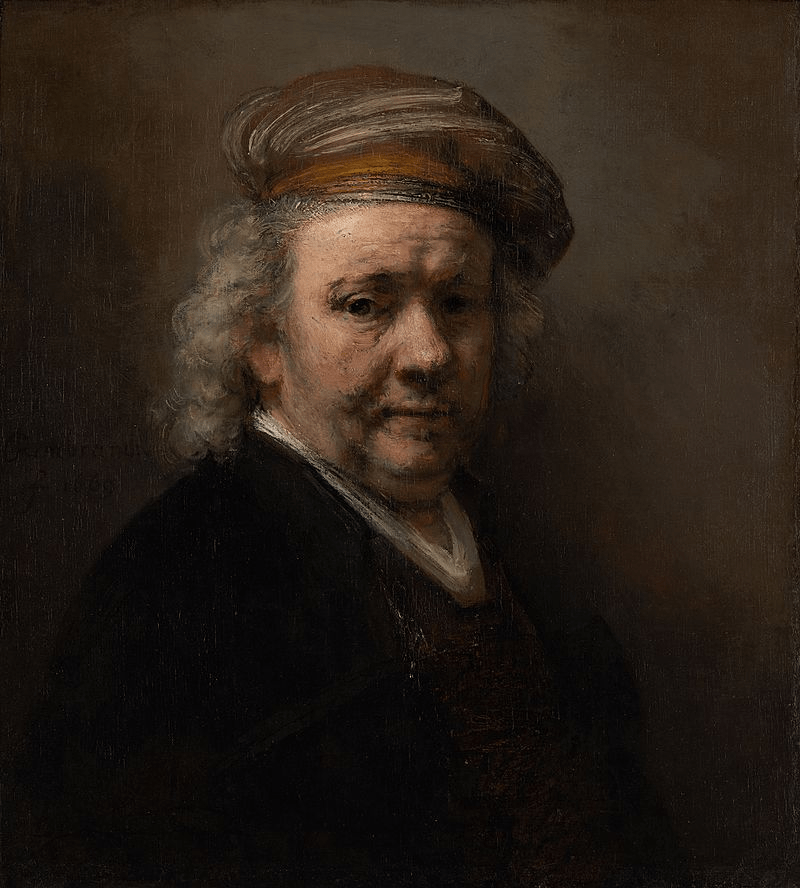
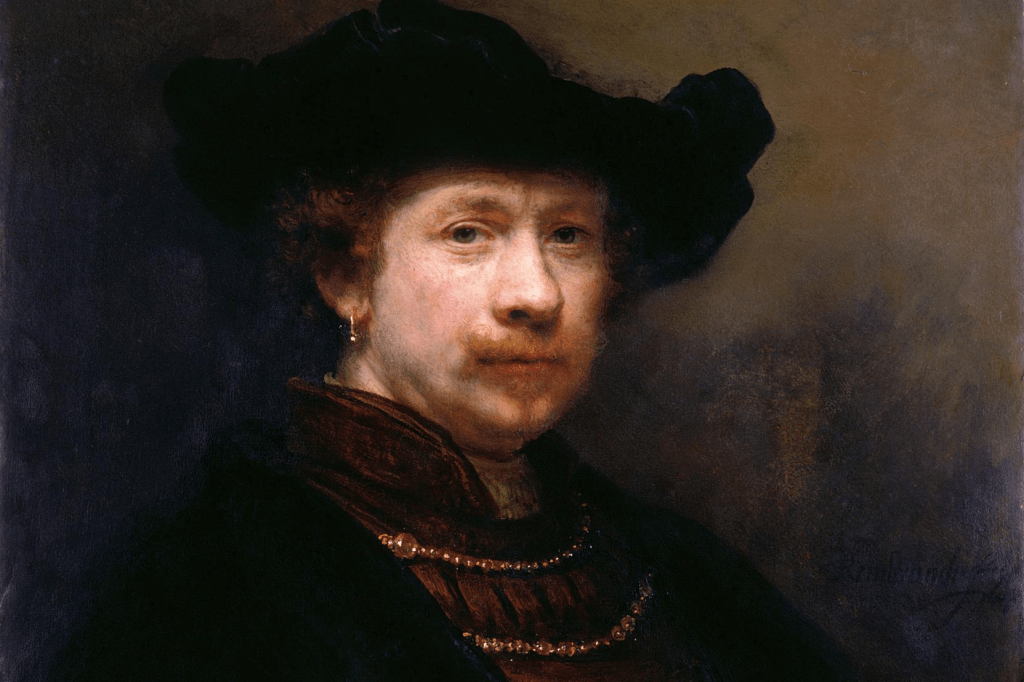
Rembrandt Self Portrait 1642

Today, I’m spending a little time with Rembrandt—one of history’s true artistic legends. Born in 1606 in Leiden, Netherlands, Rembrandt van Rijn rose to fame during the Dutch Golden Age as a painter, printmaker, and master of light and shadow. But beyond his technical brilliance, what makes Rembrandt’s work so moving is the emotion and humanity woven into each piece.

Rembrandt created hundreds of paintings and etchings—everything from grand biblical scenes to quiet, contemplative self-portraits. He painted the rich and the poor, the well-known and the overlooked, all with the same sense of dignity and soul. His use of chiaroscuro (the dramatic play of light and dark) didn’t just highlight physical features—it illuminated emotion, struggle, and inner life.

What’s especially inspiring is that Rembrandt’s life wasn’t easy. He experienced deep personal loss, including the death of his wife and three of their children. He also faced financial ruin later in life. And yet, he kept painting. In fact, some of his most powerful and introspective works came during these harder years. His late self-portraits are raw, honest, and quietly beautiful—proof that creativity doesn’t vanish in the face of hardship. Sometimes, it deepens.

Rembrandt’s art reminds me that no matter what we face, creativity has the power to uplift, connect, and inspire. So let’s keep creating, keep expressing, and let our light shine—just like he did.

Hope you enjoyed this little glimpse into art history—thanks so much for stopping by!

Share the Happy💖

A few of Rembrandt’s Paintings:
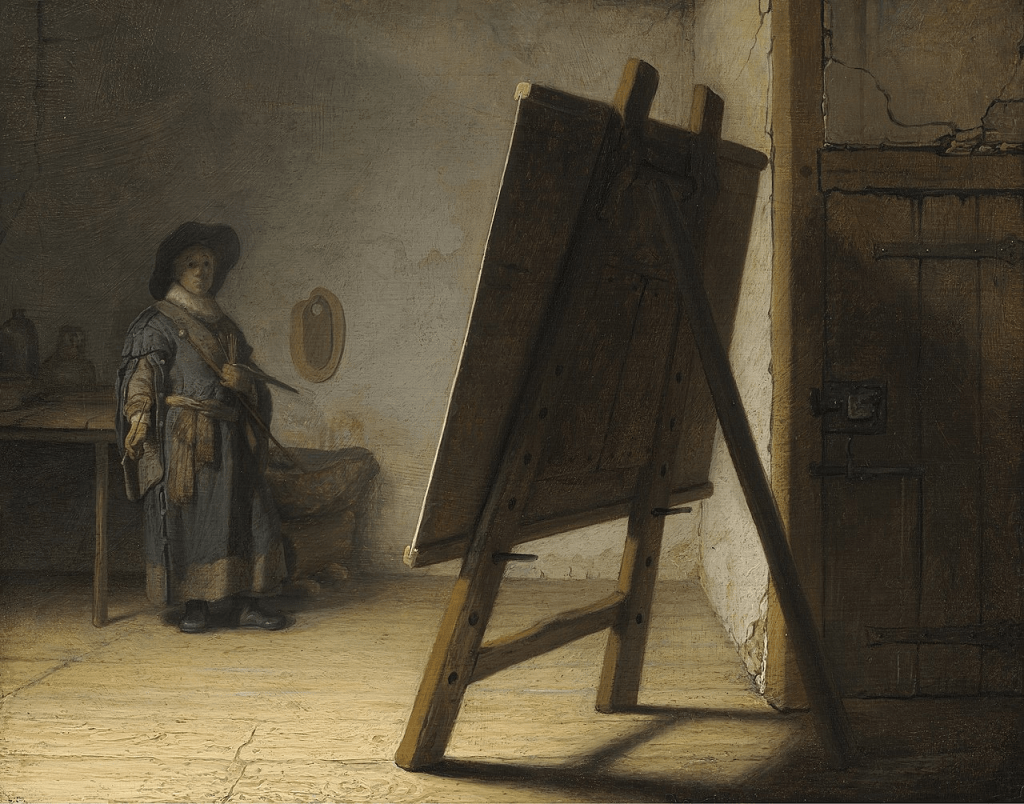
The Artist in his Studio 1629

The Storm of Galilee 1633

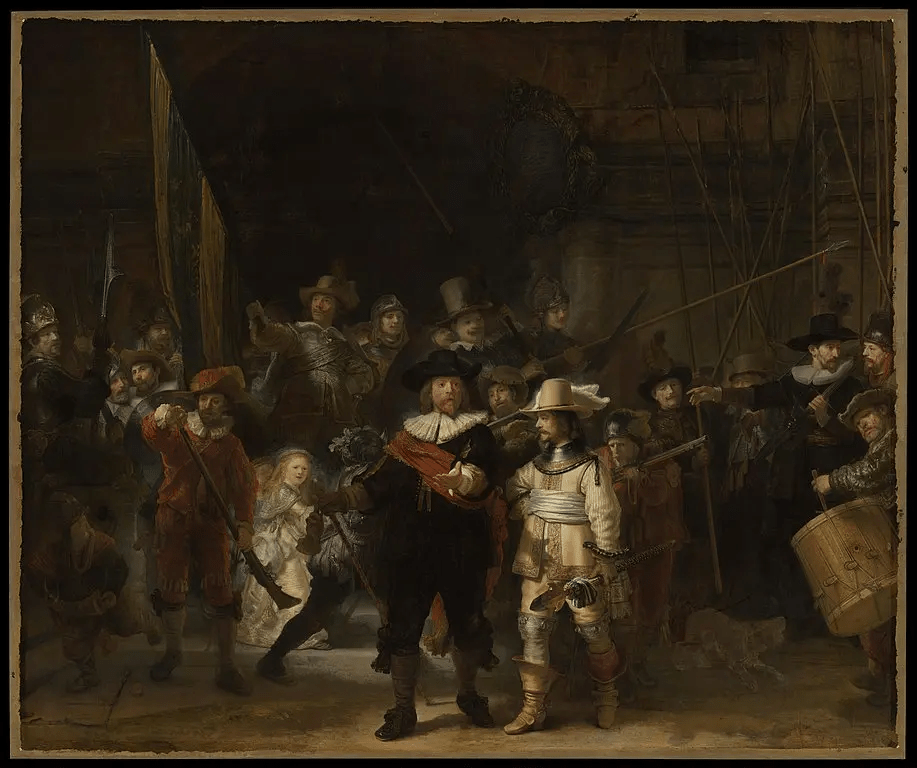
The Night Watch by Rembrandt 1642

Rembrandt Self Portrait 1669

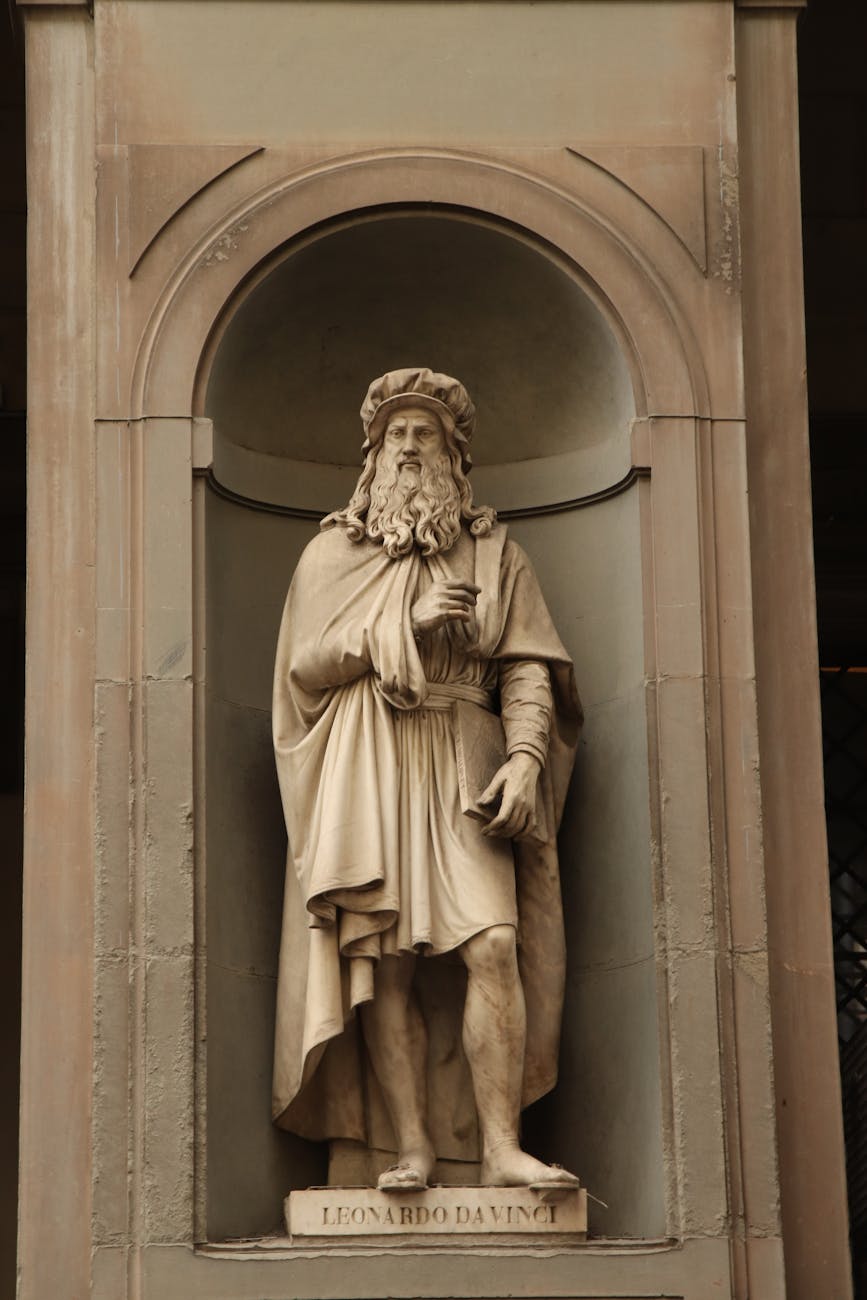
The Lasting Influence of Leonardo da Vinci on Art and Science

Photo by Engin Deniz Kopan on Pexels.com

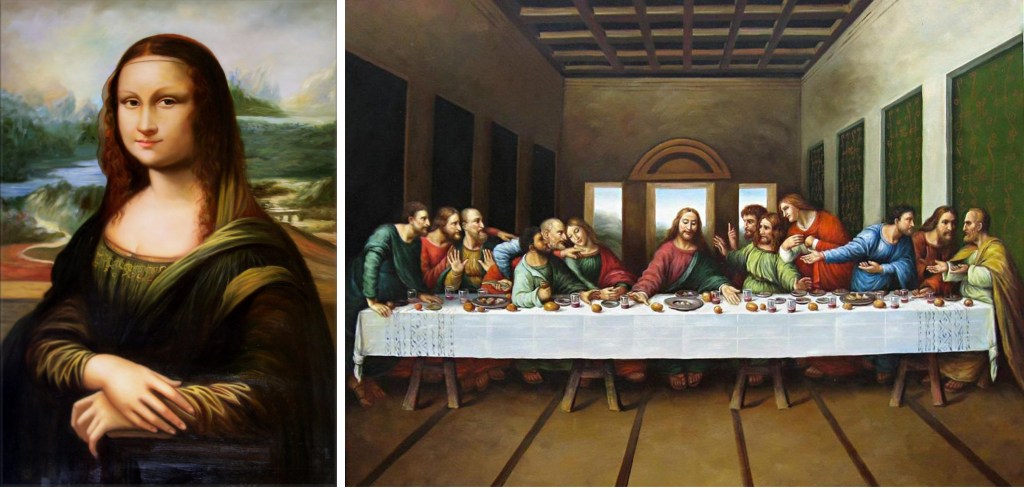
Leonardo da Vinci (1452–1519) was more than just a painter—he was an architect, scientist, engineer, and visionary thinker whose curiosity knew no bounds. Best known for masterpieces like Mona Lisa (pictured below left) and The Last Supper (pictured below right), da Vinci’s art captures human emotion with remarkable realism, thanks to his mastery of light, shadow, and perspective.

But Leonardo’s genius extended far beyond the canvas. He filled notebooks with studies of anatomy, flight, botany, and mechanics, designing inventions centuries ahead of his time, including flying machines and early concepts of robots. His keen observations and relentless curiosity made him a true Renaissance polymath, influencing both art and science in profound ways.

Leonardo da Vinci’s boundless curiosity and mastery across disciplines continue to inspire artists, scientists, and inventors, proving that creativity and knowledge go hand in hand. His ability to blend science with art, observation with imagination, and precision with wonder reminds us that the pursuit of learning is limitless—and that imagination has the power to shape the future. Whether sketching a flying machine or capturing the human soul in a portrait, da Vinci’s legacy teaches us that artistic expression and discovery go hand in hand. In his own words, ‘Learning never exhausts the mind’—a timeless reminder to keep exploring, questioning, and creating.

Hope you enjoyed this post today, thanks for stopping by!

Share the Happy💖

The Impact of Andy Warhol on Pop Art

Andy Warhol (1928–1987) was a groundbreaking artist who revolutionized the art world with his bold, colorful, and often controversial works. As a leading figure of the Pop Art movement, Warhol blurred the lines between high art and popular culture, turning everyday objects and celebrities into iconic masterpieces.

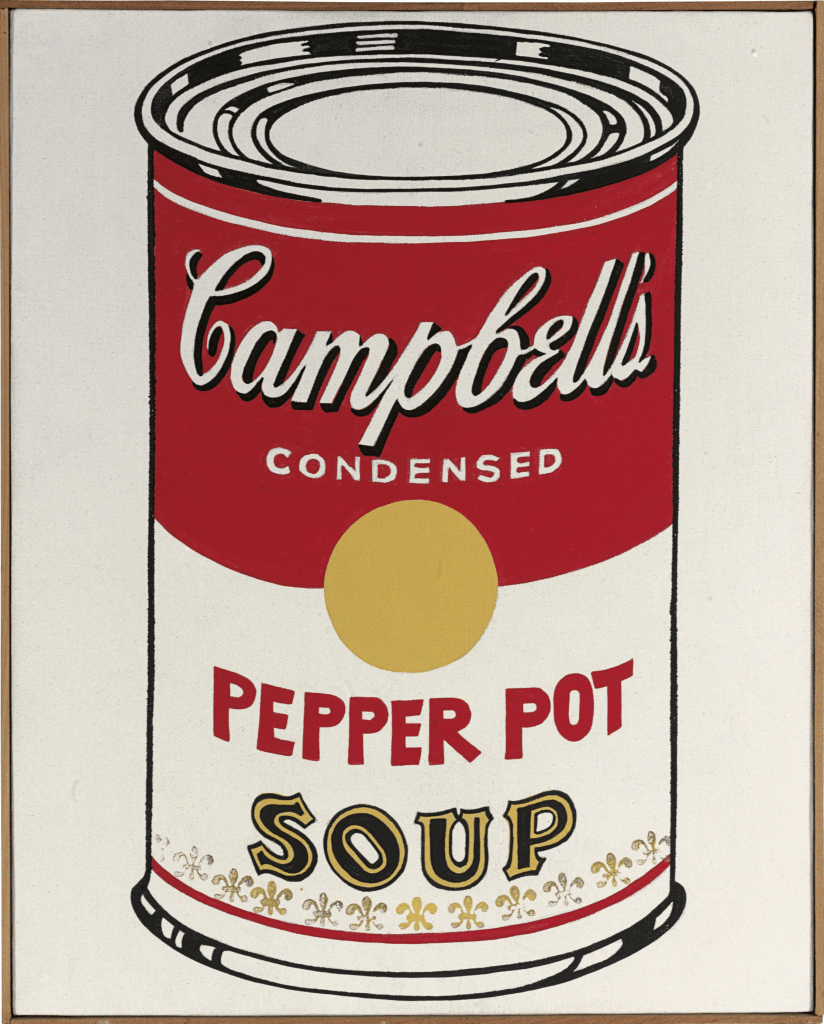
From his famous Campbell’s Soup Cans to his striking portraits of Marilyn Monroe, Warhol’s work challenged traditional ideas of art, embracing mass production and consumer culture. His use of silkscreen printing allowed him to repeat images, mimicking the visual bombardment of advertisements and media.

Beyond painting, Warhol was a filmmaker, publisher, and creative visionary. His studio, The Factory, became a hub for artists, musicians, and cultural influencers, shaping the avant-garde scene of the 1960s.

Warhol’s influence remains strong today, proving that art doesn’t just belong in galleries—it’s all around us, from advertisements to social media. His legacy continues to inspire artists to experiment, challenge norms, and see beauty in the everyday.

Warhol once said, “Art is what you can get away with.” His fearless approach to creativity reminds us that art has no limits—it’s about seeing the world differently and making it your own. Whether you find inspiration in bold colors, everyday objects, or the rhythm of pop culture, Warhol’s legacy encourages us all to embrace creativity in unexpected ways.

Hope you enjoyed today’s post—thanks for stopping by! 😊✨

Share the Happy💖

Thoughtful Thursday The Persistence of Memory: Salvador Dalí’s Surreal Masterpiece

The Persistence of Memory by Salvador Dali

Salvador Dalí, one of the most iconic and imaginative artists of the 20th century, is best known for his dreamlike, surrealistic paintings that challenge our perceptions of reality. Born in Figueres, Spain, in 1904 (d. 1989), Dalí’s work spans a wide range of mediums, including painting, sculpture, photography, and even filmmaking.

Dalí’s art is characterized by bizarre, dreamlike imagery and meticulous detail, often incorporating unexpected elements that captivate and confuse. His most famous work, “The Persistence of Memory” (1931), features melting clocks draped over a desolate landscape, symbolizing the fluidity of time and the distortions of human perception. This painting, along with many others, showcases Dalí’s fascination with the subconscious mind, a theme he explored deeply throughout his career.

Dalí’s impact on the art world is undeniable, with his innovative techniques and distinctive style continuing to inspire artists and captivate audiences today. His works remain a testament to the limitless possibilities of creativity and the power of art to challenge our perceptions and expand our minds.

Whether you’re an art enthusiast or new to the world of surrealism, exploring Dalí’s work is a journey into the depths of the human psyche—one that promises to be as intriguing as it is enlightening.

Hope you enjoyed this art history snippet, thanks for stopping by!!

Share the Happy💖

Thoughtful Thursday The Timeless Art of Norman Rockwell

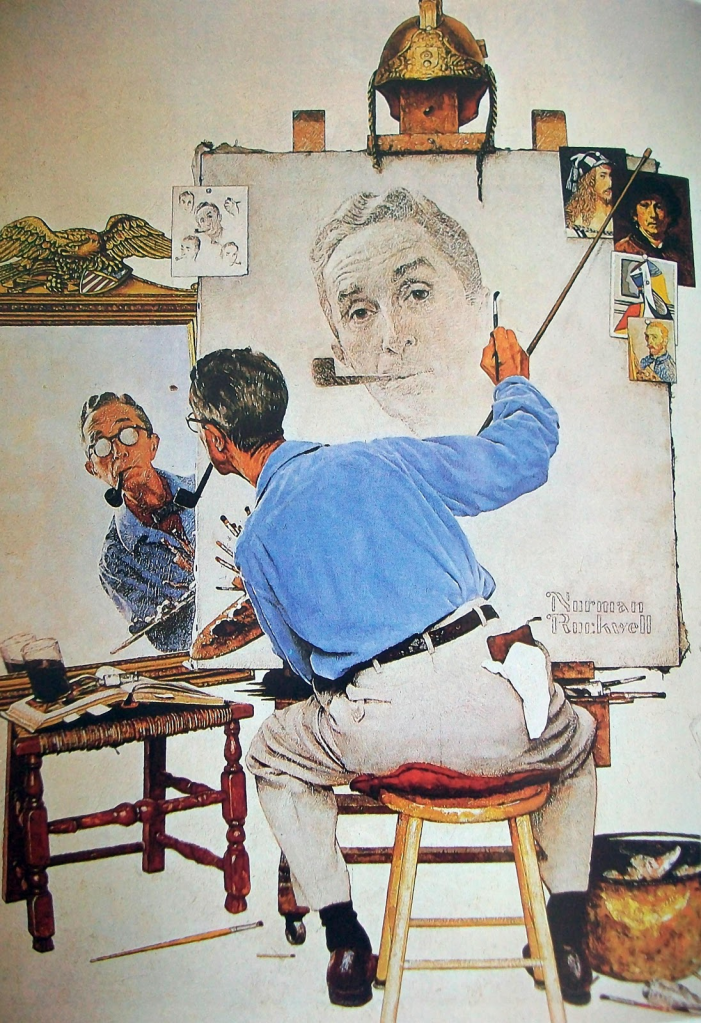
Norman Rockwell Self Portrait – 1960

Norman Rockwell, a master of American illustration, captured the heart and soul of everyday life in the 20th century. His art, renowned for its rich storytelling and emotional depth, adorned the covers of The Saturday Evening Post for nearly five decades. Rockwell’s work resonates with a timeless charm, portraying scenes of humor, patriotism, and human connection.

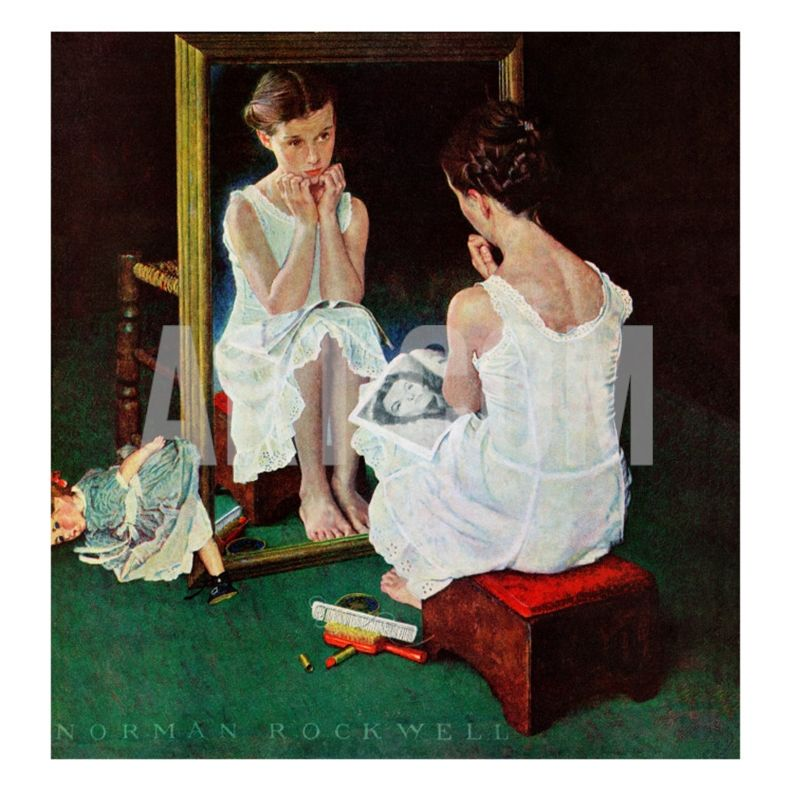
Rockwell’s keen eye for detail and his ability to depict the subtleties of human expression made his art uniquely relatable. From the innocence of childhood to the complexities of societal change, his paintings often told stories that words could scarcely convey. Iconic pieces like “Freedom from Want” and “Girl at Mirror” not only reflect his technical brilliance but also his deep empathy and social consciousness.

Beyond mere illustration, Rockwell’s art is a vibrant historical record, chronicling the American experience with warmth and sincerity. His ability to blend realism with idealism created a visual narrative that continues to inspire and comfort viewers today.

Exploring Norman Rockwell’s artwork is like taking a journey through the American spirit, reminding us of the enduring values of kindness, resilience, and unity.

Hope you enjoyed this art history post, thanks for stopping by!!

Share the Happy💖

Freedom from Want – Norman Rockwell 1943
Girl at Mirror – Norman Rockwell 1954

Thoughtful Thursday – Cecilia Beaux Artistry

Sita and Sarita (1893 – 1894)

Cecilia Beaux, an extraordinary portrait artist of the late 19th and early 20th centuries, is celebrated for her exquisite ability to capture the essence of her subjects with grace and sophistication. Born in Philadelphia in 1855, Beaux’s remarkable talent and dedication to her craft earned her a prominent place in the art world, rivaling her male contemporaries like John Singer Sargent.

Beaux’s portraits are renowned for their meticulous detail, luminous quality, and psychological depth. She had a unique gift for portraying not just the physical appearance of her subjects, but also their inner lives and personalities. One of her most famous works, “Sita and Sarita” (shown above), beautifully illustrates her skill in rendering the delicate interplay of light and shadow, bringing her subjects to life with astonishing realism.

What sets Beaux apart is her ability to infuse her portraits with a sense of intimacy and connection. Her paintings often depict family members, friends, and notable figures of her time, each rendered with a sensitivity that reveals their individuality and character. Her work is a testament to her belief that a portrait should be a true representation of the person, capturing their spirit and essence.

Cecilia Beaux’s legacy extends beyond her stunning artworks. She broke barriers in a male-dominated field, paving the way for future female artists. Her achievements are a testament to her exceptional skill, perseverance, and passion for art. Her portraits continue to inspire and captivate, showcasing the enduring power of art to touch the human soul.

Thanks for joining me in celebrating the incredible artistry of Cecilia Beaux. I hope her story and work inspire you as much as they inspire me!

Share the Happy💖

Dorothea and Francesca (1898)
Cecilia Beaux (1855-1942)

Thoughtful Thursday Georgia O’Keeffe

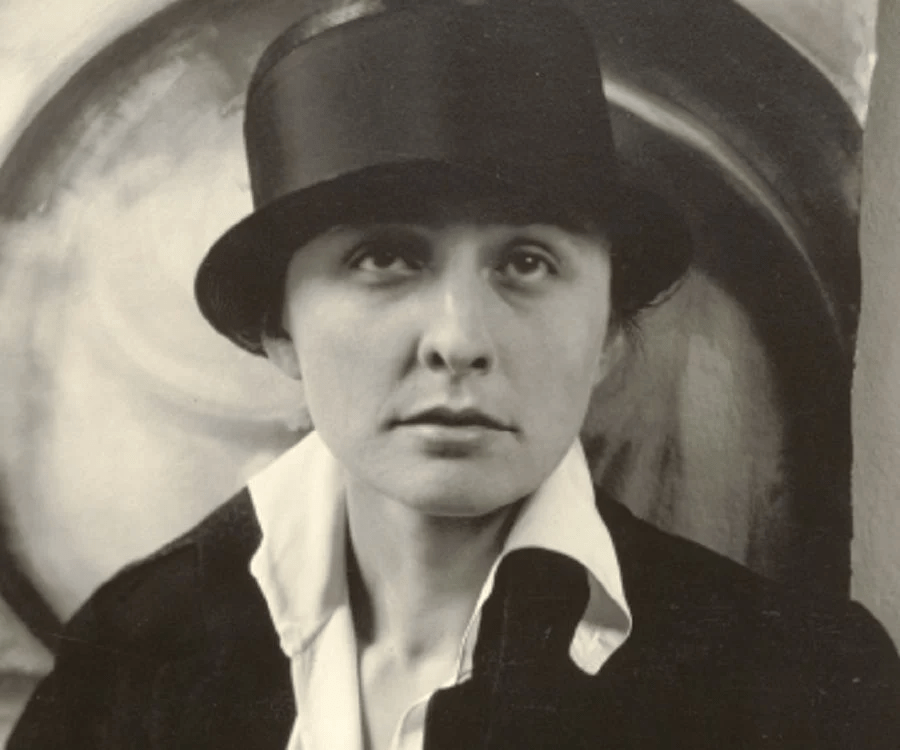
In the realm of American art, few names resonate with as much brilliance and innovation as Georgia O’Keeffe. Her iconic works, characterized by bold colors and an unparalleled sense of abstraction, have etched her name into the chronicles of art history.

Born on November 15, 1887, in Sun Prairie, Wisconsin, O’Keeffe’s journey to artistic eminence was a gradual but determined one. After studying at the Art Institute of Chicago and the Art Students League in New York, she honed her craft, eventually forging a distinctive style that would set her apart in the male-dominated art world of the early 20th century.

O’Keeffe’s artwork is perhaps most renowned for her depictions of flowers, particularly her larger-than-life renderings of blossoms such as “Jimson Weed” and “Black Iris” (both shown below). These paintings, with their meticulous attention to detail and magnified perspectives, transcend mere representation, offering viewers a glimpse into O’Keeffe’s profound reverence for the beauty and mystery of nature.

Jimson Weed – Georgia O’Keeffe
Black Iris – Georgia O’Keeffe

Yet, O’Keeffe’s artistic repertoire extends far beyond floral motifs. Her evocative landscapes, inspired by the stark beauty of the American Southwest, capture the essence of the desert with a simplicity and depth that is truly captivating. From the majestic contours of the New Mexico terrain to the haunting allure of bleached bones against a vast sky, O’Keeffe’s landscapes invite us to contemplate the raw, elemental forces of the natural world.

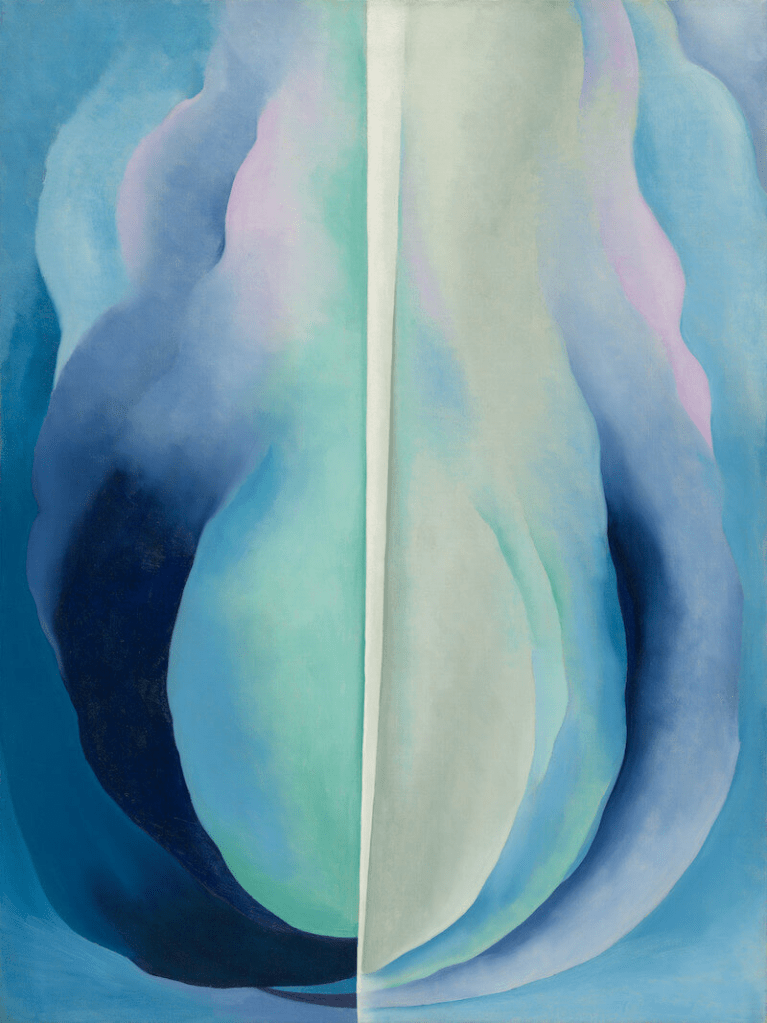
In addition to her mastery of painting, O’Keeffe was also a pioneer of modernism, experimenting with abstraction in ways that challenged conventional notions of representation. Her series of abstract works, such as “Music—Pink and Blue No. 2” and “Abstraction Blue (both shown below),” showcase her innovative use of form and color to evoke emotional and psychological states, inviting viewers to explore realms beyond the confines of the tangible.

Music—Pink and Blue No. 2 – Georgia O’Keeffe
Abstraction Blue – Georgia O’Keeffe

Today, Georgia O’Keeffe’s legacy endures as a testament to the power of artistic vision and the enduring allure of the natural world. Her paintings continue to inspire and captivate audiences around the globe, reminding us of the boundless possibilities of creativity and the eternal beauty that surrounds us.

In the words of O’Keeffe herself, “I found I could say things with color and shapes that I couldn’t say any other way—things I had no words for.” Indeed, her art speaks volumes, transcending language and time to touch the hearts and minds of all who behold it.

Hope you enjoyed this today, thanks for stopping by!!

Share the Happy💖

Thoughtful Thursday Realism Art

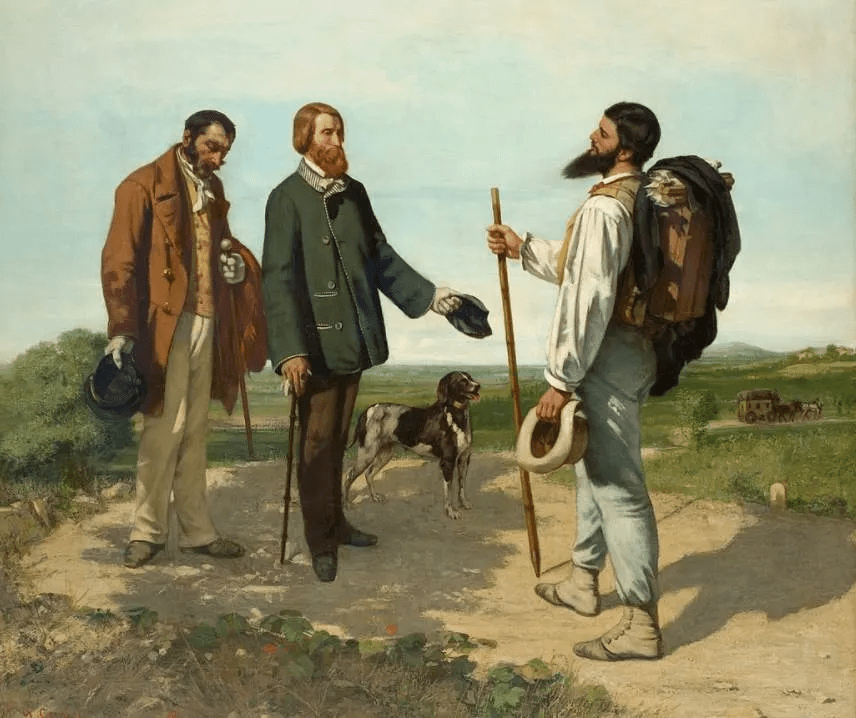
The Meeting by Gustave Courbet (1854)

Realism, emerged in the mid-19th century as a reaction against the idealized and romanticized depictions prevalent in art. Rooted in a desire to represent everyday life, realism sought to capture the world as it truly appeared, without embellishment. This artistic movement revolutionized the art world, paving the way for a new era of authenticity and truthfulness in artistic expression.

At the heart of Realism is a commitment depicting the world with vivid detail and uncompromising honesty. Artists of this movement sought inspiration from the lives of ordinary people, exploring themes such as social injustice, poverty, and the harsh realities of urban life. Through their works, they sought to shed light on the human condition and provoke thought and reflection among viewers.

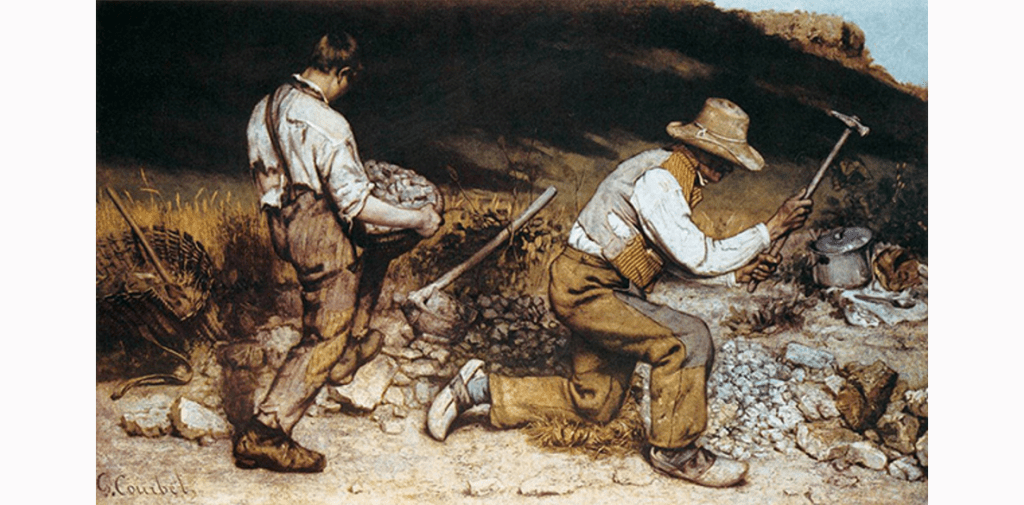
One of the most influential Realist artists was Gustave Courbet, often hailed as the father of the movement. His bold and unflinching portrayals of rural life and labor, as seen in works like “The Stone Breakers” and “A Burial at Ornans,” (shown below) challenged traditional artistic conventions and sparked controversy within the art world.

The Stone Breakers by Gustave Courbet (1849)
A Burial at Ornans by Gustave Courbet (1849)

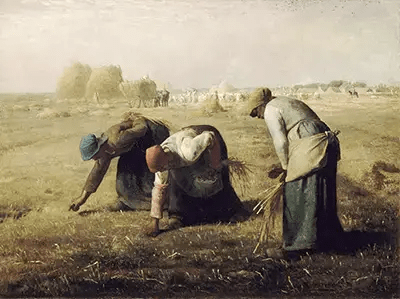
Another prominent figure in Realism was Jean-François Millet, whose poignant depictions of peasant life captured the dignity and resilience of the rural poor. His iconic painting “The Gleaners” (shown below) remains a powerful symbol of solidarity and perseverance in the face of adversity.

In addition to Courbet and Millet, other notable Realist artists include Honoré Daumier, Édouard Manet, and Winslow Homer. Each of these artists brought their own unique perspective and style to the movement, contributing to its rich and diverse legacy.

Despite its origins in the 19th century, the principles of Realism continue to resonate with artists and audiences today. In an age marked by rapid technological advancement and social change, the pursuit of truth and authenticity in art remains as relevant as ever. Through their commitment to depicting the world as it truly is, Realist artists have left a lasting mark on the history of art, inspiring generations to come.

Hope you found this history in art enlightening, thanks for stopping by!!

Share the Happy💖

The Gleaners by Francois Millet (1857)
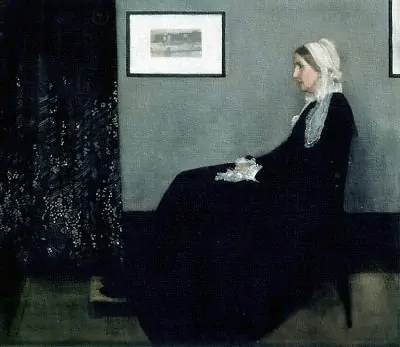
Whistler’s Mother by James McNeill Whistler (1871)

Thoughtful Thursday Claude Monet

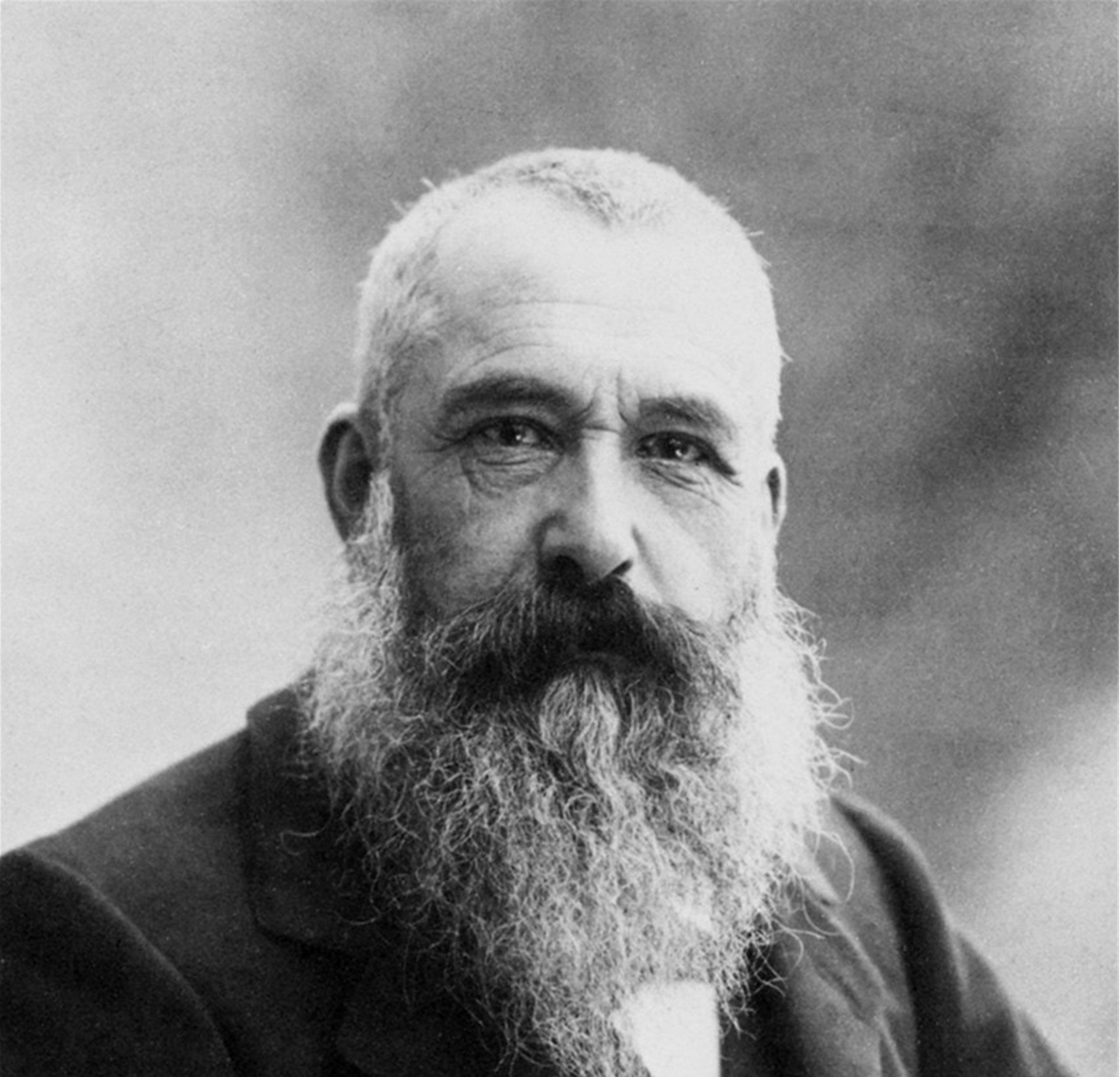
Claude Monet was a famous impressionist artist who was born in Paris, France November 14, 1840. As a young child he loved to draw and would make money creating drawings of people that were quite good. His mother supported his interests in becoming an artist but his father felt he would do better to stay in the family business as a grocer. Luckily for all of us, he chose to pursue his passion in art.

During the late 19th and early 20th centuries (1867 – 1886), Impressionism art was born in France. It was a major movement of that time. Impressionism is a style of painting that attempts to portray visual reality with transient effects of color and light.

Claude Monet became known as one of the principal painters of this style. It is his work that inspired me to try impressionism painting which I love. It was much harder than I had anticipated and as a result gave me a greater respect for the amount of work that goes into creating one of these paintings.

Claude Monet, Frederic Bazille, Pierre Auguste Renoir, Alfred Sisley along with other well known artists would work together and influence each other’s art especially during exhibits. But it was Edouard Manet, an established artist who greatly influenced Monet’s work in the 1860’s.

The painting above titled “Woman with a Parasol” was painted by Monet in 1875. It’s an oil painting on a 39.4 x 31.9 inch canvas (100 x 81 cm). This painting belongs to a series that Monet created during the summers of 1875 and 1876. His wife Camille and his son, Jean served as his models for this painting which were set in the gardens surrounding his 2nd home in Argenteuil, located in the suburbs of Paris.

At the age of 85, Claude Monet passed away on December 5, 1926 in Giverny, France. He left us a legacy of stunning art that is admired and inspires us today.

Hope you enjoyed this art history post, thanks for stopping by!!

Share the Happy💖

“Everyone discusses my art and pretends to understand, as if it were necessary to understand, when it is simply necessary to love.” ~Claude Monet

Pointillism

A Sunday on La Grande Jatte by Georges Pierre Seurat

In my art history class in college I was introduced to Georges Pierre Seurat. He quickly became one of my favorites along with Monet. This painting titled “A Sunday on La Grande Jatte” was created by Seurat using a technique called pointillism.

Pointillism technique was developed in the late 1880’s as part of the Post Impressionist Movement. At that time many artists started using this technique which involved painting tiny distinct dots next to each other until the image is formed.

Seurat lived from 1859 – 1891 in Paris, France. He began working on this painting in the summer of 1884 at the age of 25. I remember seeing this painting on the large projector in the art history auditorium and was completely mesmerized by how beautiful it was and amazed it was painted with nothing more than a bunch of dots.

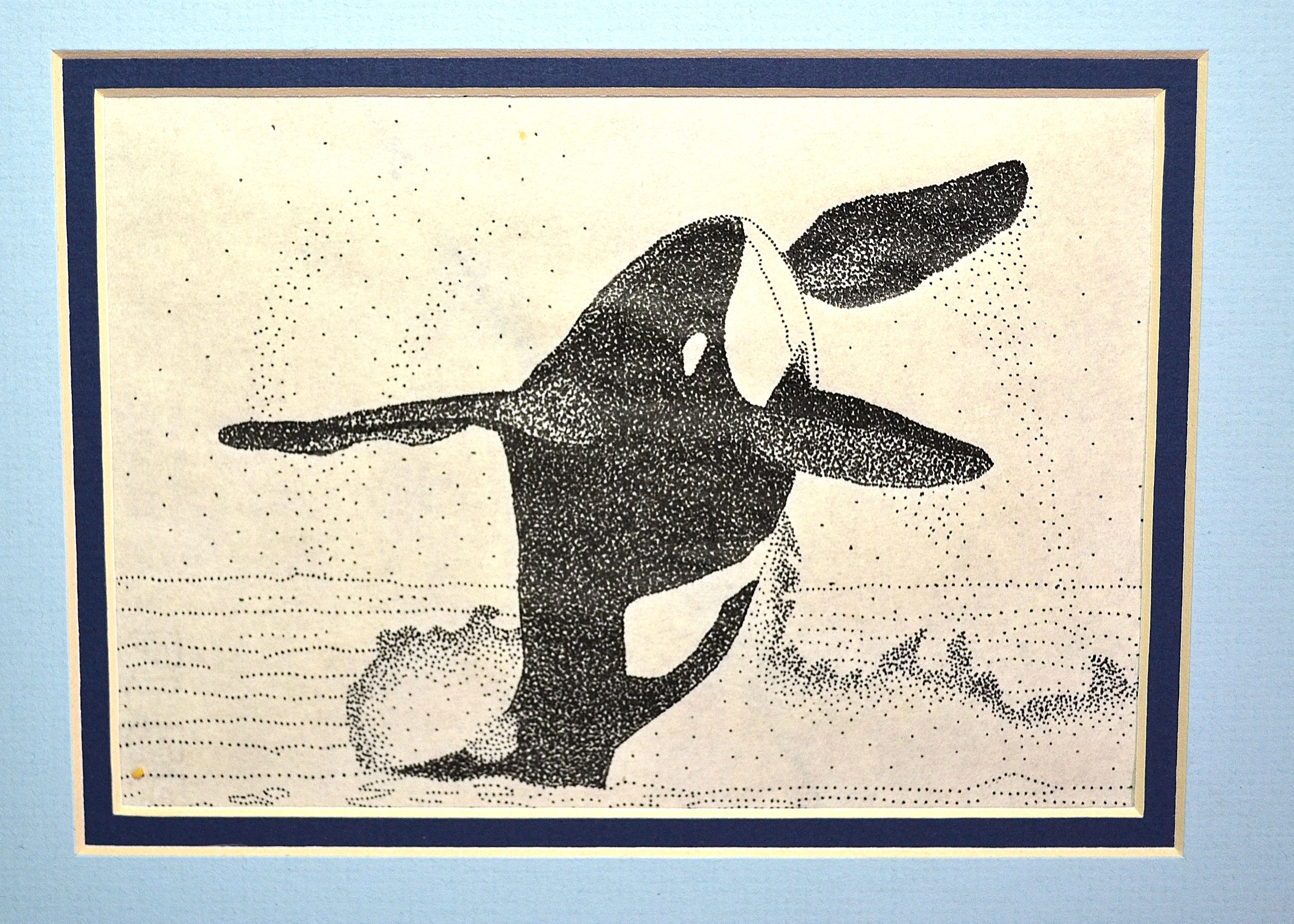
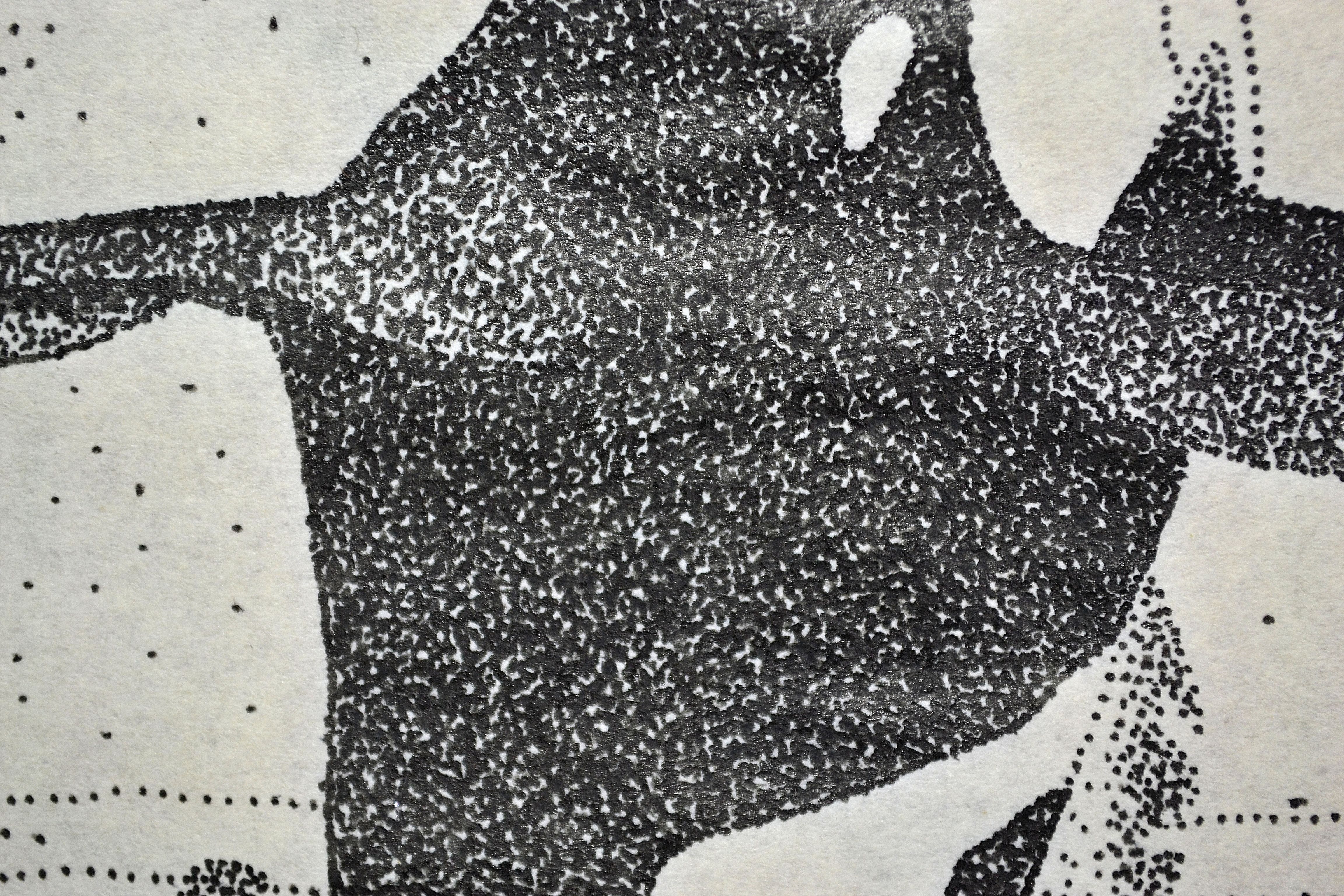
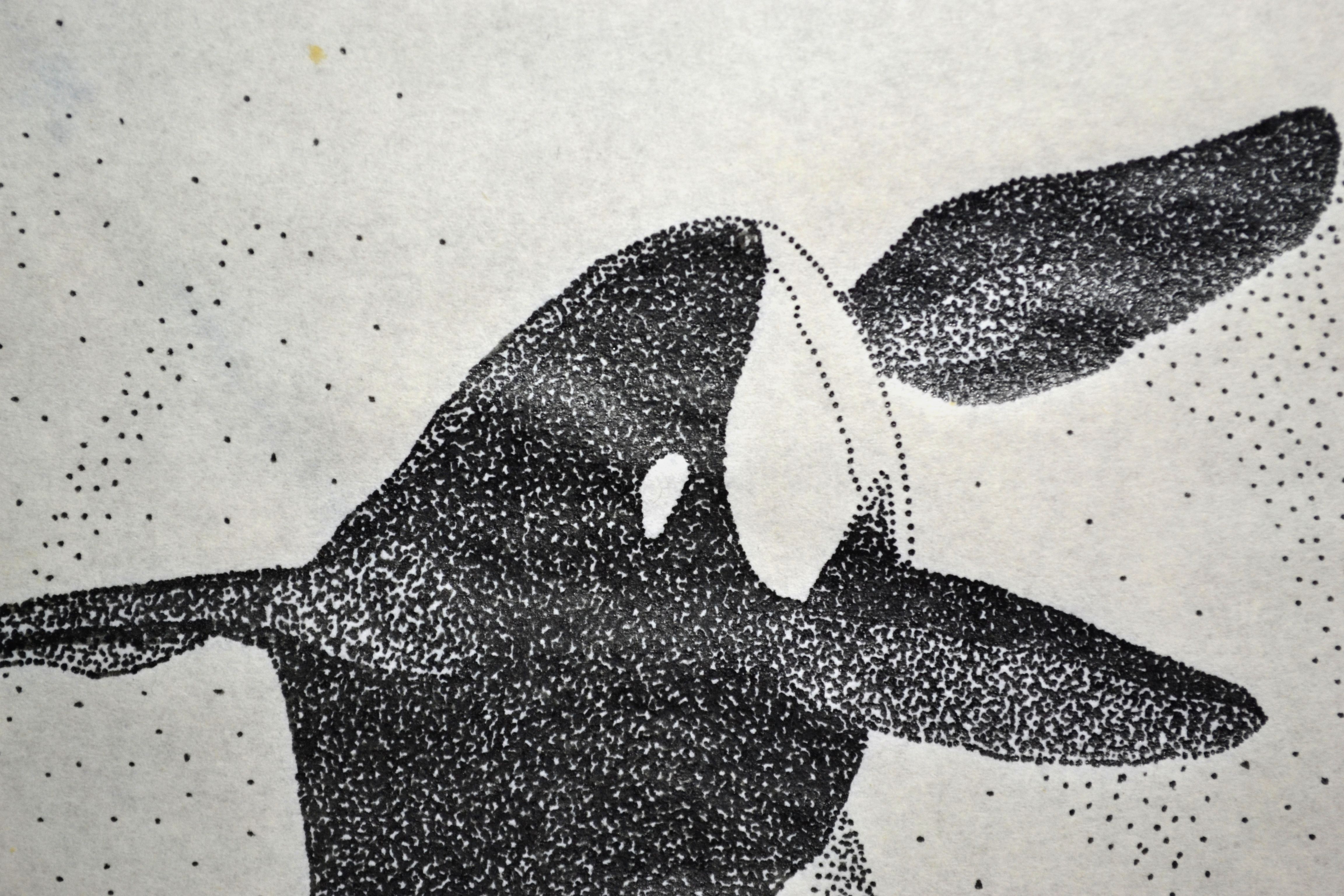
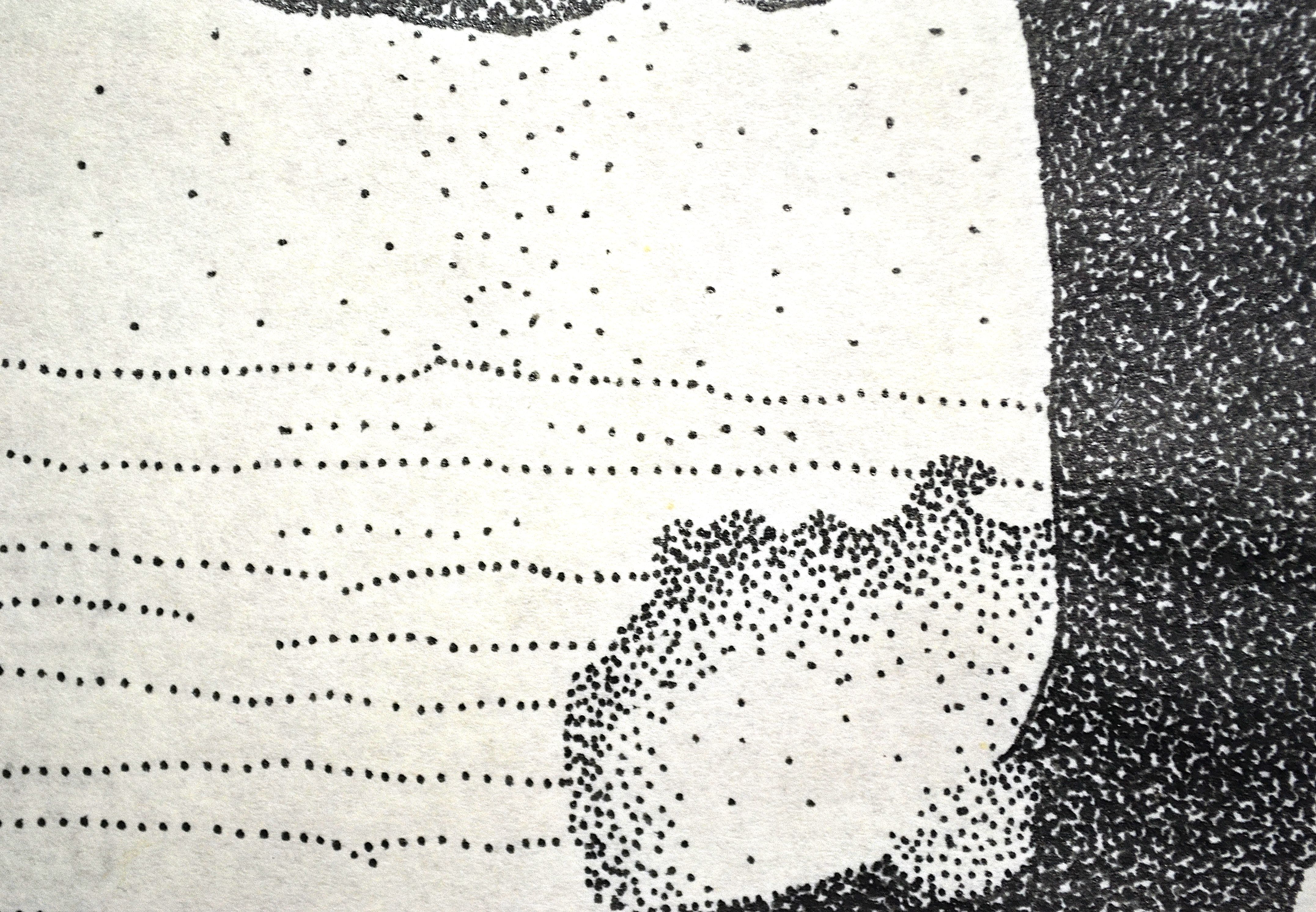
I loved this technique so much that I decided to give it a try. So I created this 5×7 inch Killer Whale image using a black fine tipped pen on paper. It was very tedious and my hand became pretty sore after just a short while. The entire image took me about a week to complete but l couldn’t imagine doing a very large painting like Seurat’s which measured 81.7×121.25 inches and took 2 years to complete. I think my hand would fall off 😂

I must say that after creating my “little” piece of pointillism art, I had a whole new appreciation for the artists who used this Pointillism technique.

I hope this inspires you to create some art today! I’m taking a short break and will be back soon.

Thanks for stopping by!!!

Share the Happy 💖