The Lasting Influence of Leonardo da Vinci on Art and Science

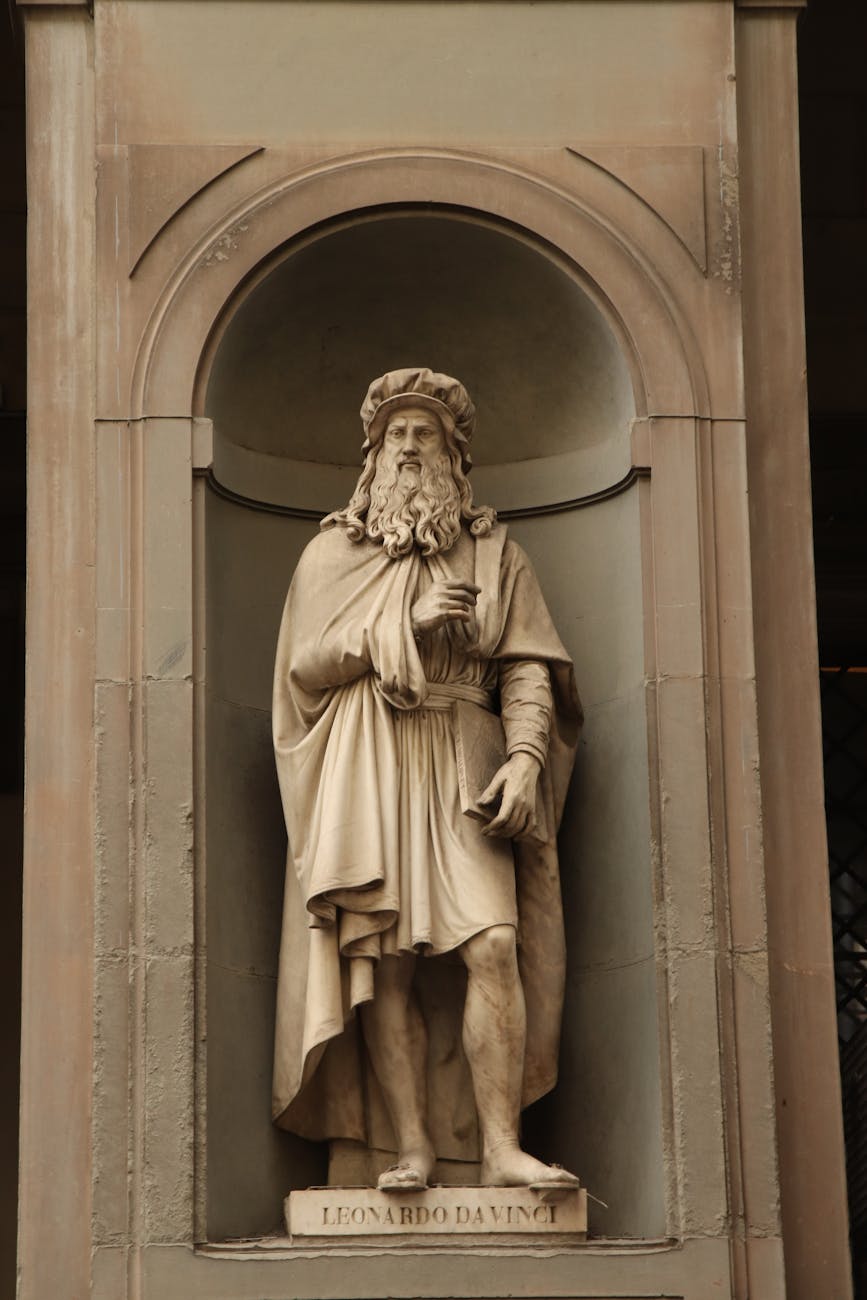
Photo by Engin Deniz Kopan on Pexels.com

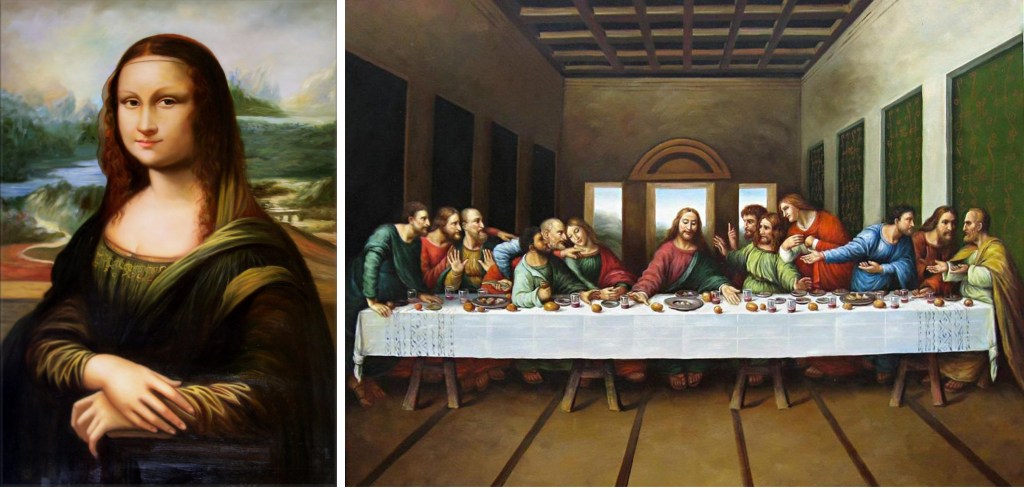
Leonardo da Vinci (1452–1519) was more than just a painter—he was an architect, scientist, engineer, and visionary thinker whose curiosity knew no bounds. Best known for masterpieces like Mona Lisa (pictured below left) and The Last Supper (pictured below right), da Vinci’s art captures human emotion with remarkable realism, thanks to his mastery of light, shadow, and perspective.
But Leonardo’s genius extended far beyond the canvas. He filled notebooks with studies of anatomy, flight, botany, and mechanics, designing inventions centuries ahead of his time, including flying machines and early concepts of robots. His keen observations and relentless curiosity made him a true Renaissance polymath, influencing both art and science in profound ways.

Leonardo da Vinci’s boundless curiosity and mastery across disciplines continue to inspire artists, scientists, and inventors, proving that creativity and knowledge go hand in hand. His ability to blend science with art, observation with imagination, and precision with wonder reminds us that the pursuit of learning is limitless—and that imagination has the power to shape the future. Whether sketching a flying machine or capturing the human soul in a portrait, da Vinci’s legacy teaches us that artistic expression and discovery go hand in hand. In his own words, ‘Learning never exhausts the mind’—a timeless reminder to keep exploring, questioning, and creating.

Hope you enjoyed this post today, thanks for stopping by!

Share the Happy💖
The Impact of Andy Warhol on Pop Art

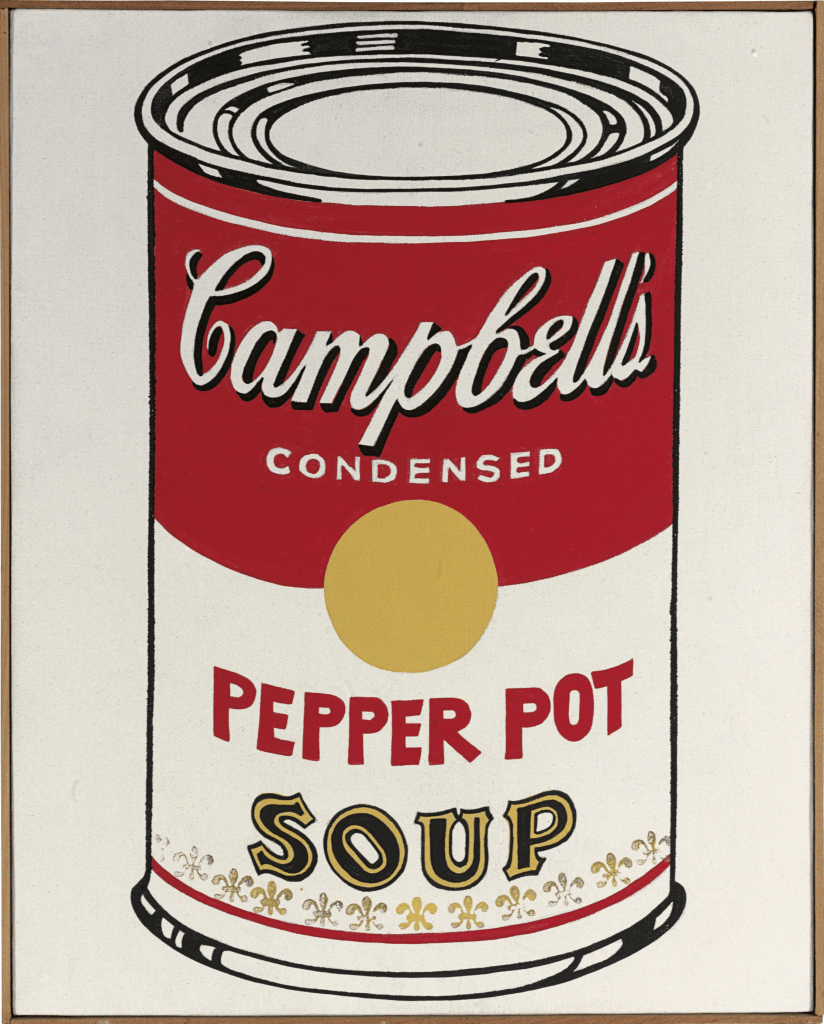
Andy Warhol (1928–1987) was a groundbreaking artist who revolutionized the art world with his bold, colorful, and often controversial works. As a leading figure of the Pop Art movement, Warhol blurred the lines between high art and popular culture, turning everyday objects and celebrities into iconic masterpieces.

From his famous Campbell’s Soup Cans to his striking portraits of Marilyn Monroe, Warhol’s work challenged traditional ideas of art, embracing mass production and consumer culture. His use of silkscreen printing allowed him to repeat images, mimicking the visual bombardment of advertisements and media.

Beyond painting, Warhol was a filmmaker, publisher, and creative visionary. His studio, The Factory, became a hub for artists, musicians, and cultural influencers, shaping the avant-garde scene of the 1960s.

Warhol’s influence remains strong today, proving that art doesn’t just belong in galleries—it’s all around us, from advertisements to social media. His legacy continues to inspire artists to experiment, challenge norms, and see beauty in the everyday.

Warhol once said, “Art is what you can get away with.” His fearless approach to creativity reminds us that art has no limits—it’s about seeing the world differently and making it your own. Whether you find inspiration in bold colors, everyday objects, or the rhythm of pop culture, Warhol’s legacy encourages us all to embrace creativity in unexpected ways.

Hope you enjoyed today’s post—thanks for stopping by! 😊✨

Share the Happy💖

Thoughtful Thursday The Persistence of Memory: Salvador Dalí’s Surreal Masterpiece

The Persistence of Memory by Salvador Dali

Salvador Dalí, one of the most iconic and imaginative artists of the 20th century, is best known for his dreamlike, surrealistic paintings that challenge our perceptions of reality. Born in Figueres, Spain, in 1904 (d. 1989), Dalí’s work spans a wide range of mediums, including painting, sculpture, photography, and even filmmaking.

Dalí’s art is characterized by bizarre, dreamlike imagery and meticulous detail, often incorporating unexpected elements that captivate and confuse. His most famous work, “The Persistence of Memory” (1931), features melting clocks draped over a desolate landscape, symbolizing the fluidity of time and the distortions of human perception. This painting, along with many others, showcases Dalí’s fascination with the subconscious mind, a theme he explored deeply throughout his career.

Dalí’s impact on the art world is undeniable, with his innovative techniques and distinctive style continuing to inspire artists and captivate audiences today. His works remain a testament to the limitless possibilities of creativity and the power of art to challenge our perceptions and expand our minds.

Whether you’re an art enthusiast or new to the world of surrealism, exploring Dalí’s work is a journey into the depths of the human psyche—one that promises to be as intriguing as it is enlightening.

Hope you enjoyed this art history snippet, thanks for stopping by!!

Share the Happy💖