

The Love Story of Mark Antony and Cleopatra

Featured

Some love stories are whispered. This one echoed through history.

Mark Antony, a powerful Roman general, and Cleopatra, the brilliant and magnetic queen of Egypt, met in 41 BCE—and sparks flew immediately. Cleopatra was celebrated for her intelligence and commanding presence, not just her beauty, and Antony was instantly captivated. Their bond was a mix of romance, ambition, and political power, making it as intoxicating as it was risky.

They shared years filled with passion, luxury, and bold dreams. Cleopatra famously arrived on a lavish golden barge, instantly cementing her legend, and together they imagined a future shaped by love as much as leadership. But Rome saw Cleopatra as a threat, and Antony’s loyalty was constantly questioned. Torn between duty and devotion, he chose love—and history took a tragic turn.

Defeated in battle and believing Cleopatra was gone, Antony took his own life. Cleopatra, refusing to live without him or be claimed by Rome, soon followed. Their ending was heartbreaking, but their story was far from forgotten.

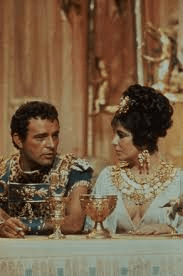
Centuries later, their romance captured imaginations all over again when Elizabeth Taylor brought Cleopatra to life in the iconic 1963 film Cleopatra. Taylor’s portrayal—dramatic, glamorous, and unforgettable—helped reintroduce this legendary love story to a new generation and cemented Cleopatra as a symbol of power, beauty, and fearless passion.

Love stories like Mark Antony and Cleopatra’s endure because they are deeply human—bold, complicated, and impossible to ignore. They remind us that some connections are so powerful, they transcend time, history, and even tragedy.

Hope today’s history snippet brought a little inspiration your way. Thanks for stopping by!

Share the Happy ❤️
Lessons from Mozart: Unlocking Creative Genius

Wolfgang Amadeus Mozart is often hailed as one of the greatest musical geniuses of all time—and for good reason. Born in 1756, he composed over 600 works in his short 35 years of life, spanning symphonies, operas, concertos, and choral pieces that continue to move audiences today. But beyond the notes and melodies lies something even more fascinating: what Mozart’s life can teach us about creativity, passion, and purpose.


1. Start Young, Stay Curious

Mozart began composing at age five and performed for royalty as a child prodigy. But his early talent wasn’t just about raw genius—it was also nurtured by a deep curiosity and a supportive (if intense) musical environment.

Takeaway: Whether you’re starting at five or fifty, nurturing curiosity and surrounding yourself with inspiration can unlock powerful creative energy.


2. Practice Doesn’t Kill Passion—It Fuels It

Mozart wasn’t just naturally gifted—he worked incredibly hard. He was constantly composing, revising, performing, and pushing boundaries.

Fun fact: In 1784 alone, he wrote six piano concertos, each one rich with emotion and complexity.

Takeaway: Passion and discipline go hand in hand. Your creativity grows stronger with consistent effort, not despite it.


3. Innovation Isn’t Always Loud

Mozart didn’t need shocking gimmicks to innovate. He infused his music with unexpected twists—modulating keys, layering harmonies, and playing with structure—while still honoring the beauty of classical form.

Takeaway: True creativity isn’t about being flashy; it’s about bringing fresh life to your craft in your own voice.


4. Don’t Wait for the “Perfect” Time

Mozart faced illness, financial hardship, and professional rivalries. He didn’t live in a bubble of ease. And yet—he created masterpieces that are still performed centuries later.

Takeaway: Conditions may never be perfect. Create anyway. Your voice matters, even if the timing feels messy.


5. Leave a Legacy Through Your Passion

Mozart died young—just 35 years old—but the legacy he left behind is timeless. His music lives on because he poured heart, soul, and unshakable dedication into everything he did.

Takeaway: You don’t have to be world-famous to leave something meaningful behind. When you create from your heart, you never know who you’ll inspire—even long after you’re gone.


Final Thoughts

Mozart reminds us that creativity isn’t about waiting for a muse—it’s about showing up, playing with ideas, and letting passion drive the process. Whether you’re painting, writing, composing, or starting a business, take a page from Mozart’s book: begin with wonder, work with joy, and let your creativity sing.

Thanks so much for stopping by—wishing you a truly wonderful day!

Share the Happy💖