I’m excited to introduce a new photo package available in my Etsy shop featuring two beautiful Coastal Bird Prints of a Plover and Laughing Gulls!
Create a tranquil ocean retreat in your home with these exquisite fine art coastal bird prints. Available in 5×7 and 8×10 inch prints, you can choose to showcase them individually or as a captivating set. Plus, enjoy special rates when you purchase them together!
Don’t miss the chance to create the beachside oasis you’ve always dreamed of. Explore my Etsy Shop today and add these breathtaking coastal bird prints to your collection.
Thank you for your continued support!
Share the Happy💖
“Thoughts are like waves, we can’t stop them from coming but we can choose which ones to surf.” ~Unknown
You’ve seen art that you fell in love with but didn’t buy it because where would you hang it? Do you need a frame or no frame? What style of frame? Should it be a frame with glass or without?
Have you ever felt overwhelmed with all these questions? I know I have. Buying art to decorate and hang in your home can be a daunting task but it doesn’t have to be. So here are a few things to consider:
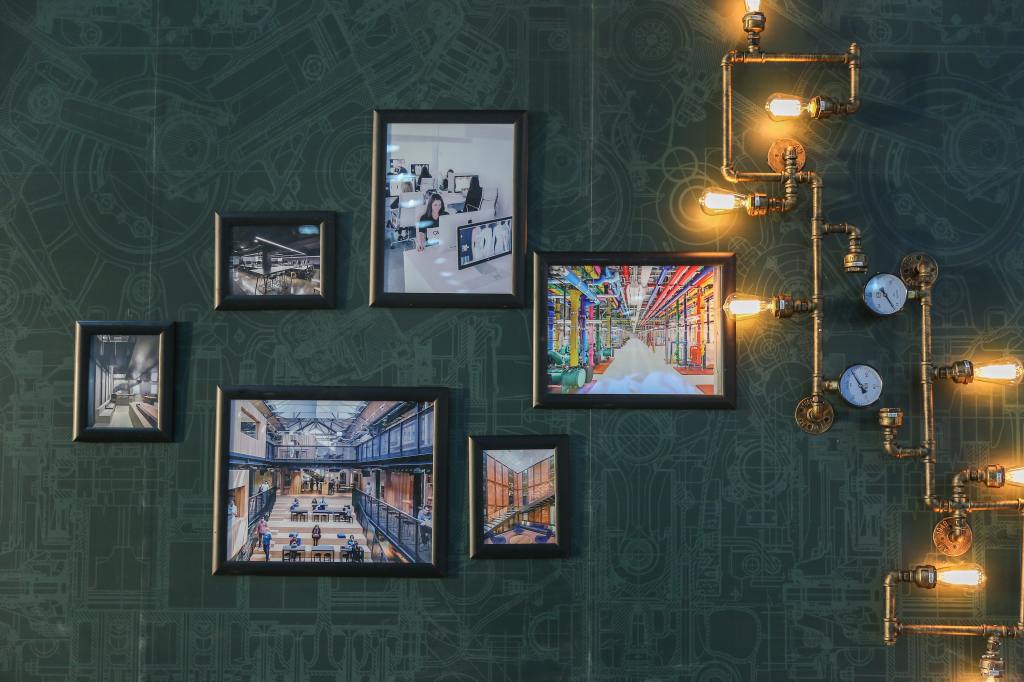
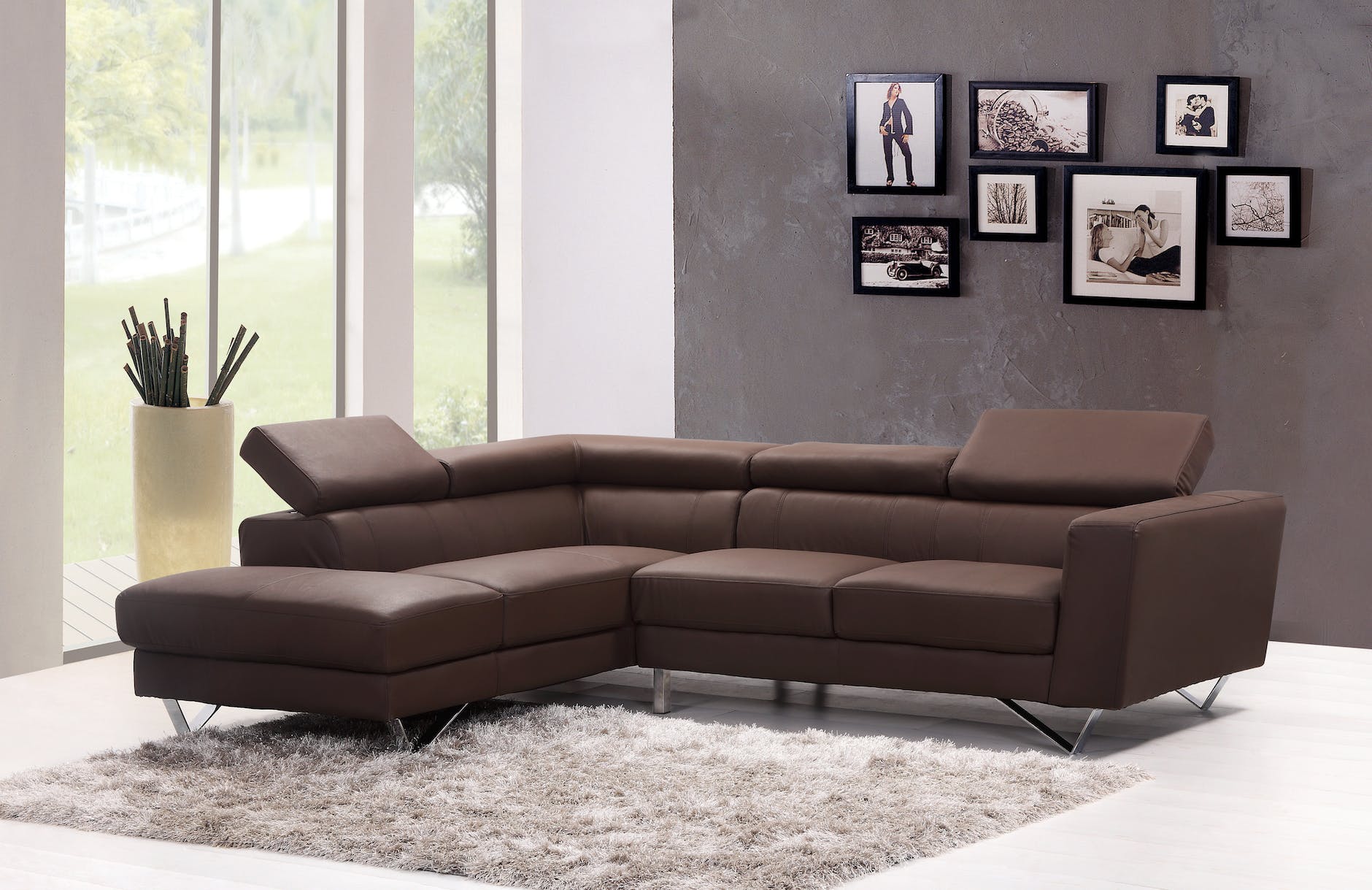
When buying a work of art, photo or print think about where you’d like to hang it in your home and make sure the size you pick will fit in your space. If it’s a small piece you may want to group several together, otherwise your are will be lost on the overwhelming wall..
Choose a frame style that goes with your decor. Whether it’s modern, traditional, gallery, floating or anything in between pick a frame that fits your taste. Most artists however, will create paintings on canvases that don’t require a frame. But if you want to make more of a statement or increase the size of the art, then a frame (without glass) is recommended plus it’s a nice finishing touch.
Photos and Giclee prints or paintings created on paper will need a frame with glass. You may want to consider getting a frame with UV glass to protect your art from fading and becoming discolored over time.
The depth of your frame will depend on your art. Canvas paintings will need a deeper frame to hang flush on the wall so make sure you measure the depth and buy the frame that will properly fit. A print or painting on paper won’t need anything that deep since it’s flat.
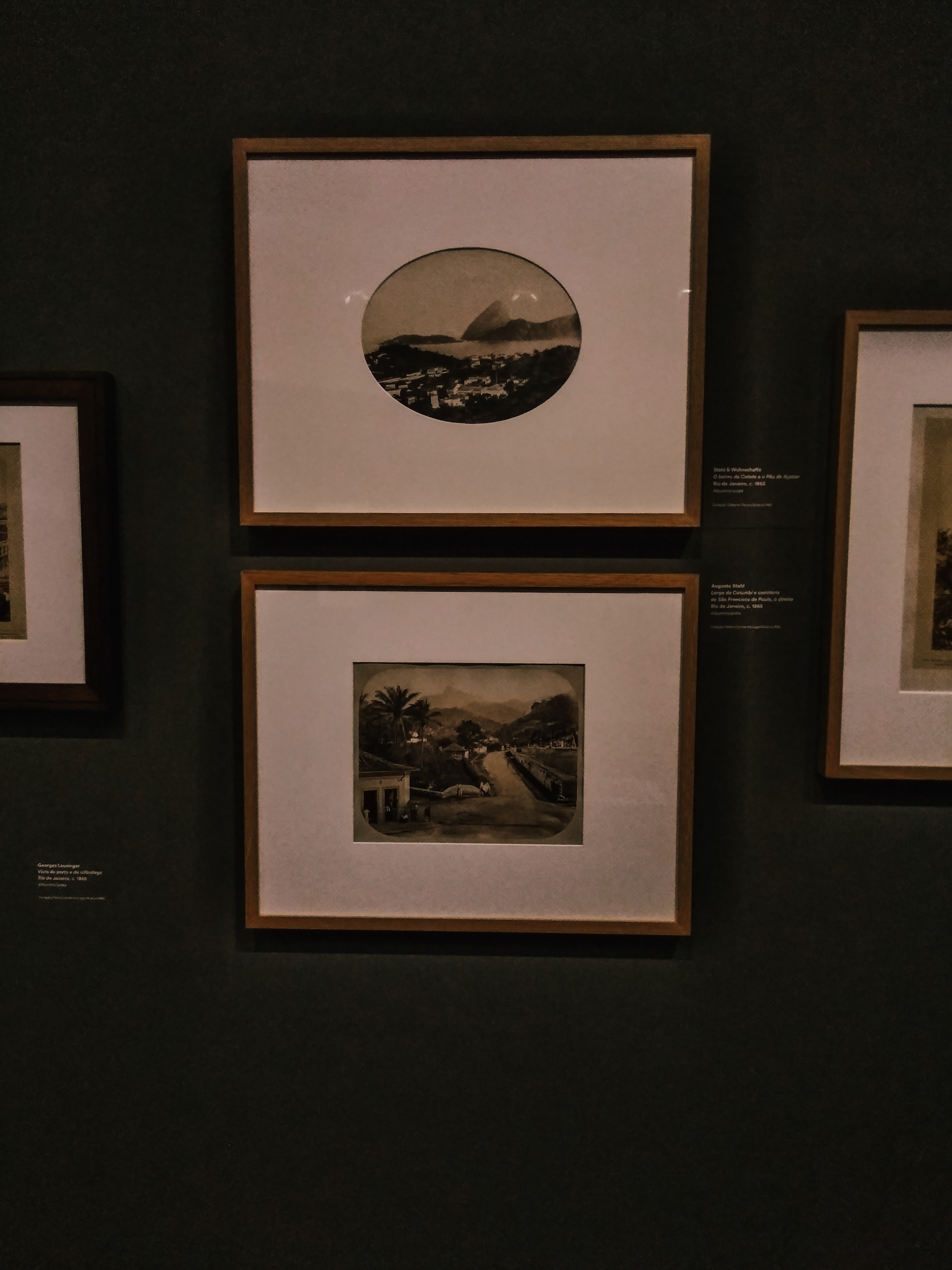
Matting is another option which will increase the size of your finished piece. In general, canvases should not be matted. But prints and paintings on paper can be matted. When selecting a mat choose a color, texture and thickness that complements your art.
You want to create an eye catching display with your art that enhances the harmony of your home. Remember, if you change the style of your living space nothing is set in stone. You can easily change the style of the frame and give an old painting a new look.
One last thing, Jane Seymour wrote in one of her books that she changes the art in her home frequently depending time of the year and her taste. The extra paintings are simply stored until she’s ready to switch them out. I like this idea because you can buy several paintings for one room and change them whenever you feel like a refresh!
Hope you found these tips useful, thanks for stopping by!!
Share the Happy💖
“Art is the most intense mode of individualism that the world has known.” ~Oscar Wilde
You hear the terms acid free and archival paper quite a bit especially when being used in regards to art and photos. But many get confused with the difference between the two.
Acid free paper is just that, it’s acid free. These papers are made using an alkaline technology so the pulp of the paper is neutral and above 7. The paper is buffered with calcium carbonate to neutralize acid compounds that may come from natural aging or the atmosphere. Papers treated with an alkaline reserve make them last longer.
Acid free paper is used for a number of things that you want to last, like storing photos, displaying artwork, stamp collecting and more. If you use non-acid free paper then you run the risk of damaging your item because it can change the chemical composition of the photo or artwork which affects the color and clarity. Non-acid free paper can also cause chemical burning where it gives off a microscopic fuming of sulfurous acid that causes the paper to become brown, dry and brittle.
Archival paper is acid free and shouldn’t contain any brighteners making it whiter. It also should not contain any ground wood or unbleached pulp but it should meet limits on the metallic content. Although there are no universal standards in what makes paper archival, it should meet these general accepted properties.
Archival-grade paper, also known as museum-grade or museum quality paper is used by many artists. It’s superior in quality and stability when compared to other papers especially in fine art. An archival print is designed to last a 100 years or more.
I hope this helped to clarify the difference between acid free and archival papers. Thanks for stopping by!!
Today pretty much every cell phone has a built in camera to snap a quick picture, freezing that special moment in time to cherish forever. I remember as a kid the long process of taking pictures, dropping the film off at the store and then having to wait that long, excruciating week to see how they turned out.
Then I remember the day dad brought home a Polaroid camera. It was the coolest thing ever! You could take a picture and the photo was ready in minutes, right in your hand. No long wait to get your photos developed, you knew instantly if you took a good shot. It was amazing!
The Polaroid camera was invented by Edwin H Land, an American scientist. The story goes while on vacation in 1944, Edwin had taken a picture of his 3 year old daughter. She asked him why she couldn’t see the picture he had just taken of her with his camera. So this amazing inventor came up with the camera design, film and chemistry in a single day! It did however, take three years before he was able to present his instant camera to the public for the first time.
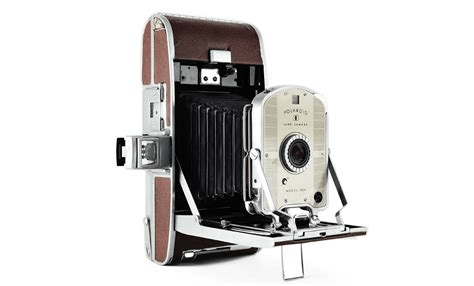
In 1948, the Polaroid Land Model 95 camera (shown below) made it’s way to the American consumer. It was a monumental breakthrough in the history of photography. The original camera combined two rolls of film, a negative and positive plus some chemicals to create the images. Polaroid only manufactured 60 of these cameras at first and they sold out in a single day! The company completely underestimated the consumer’s demand for this new invention.
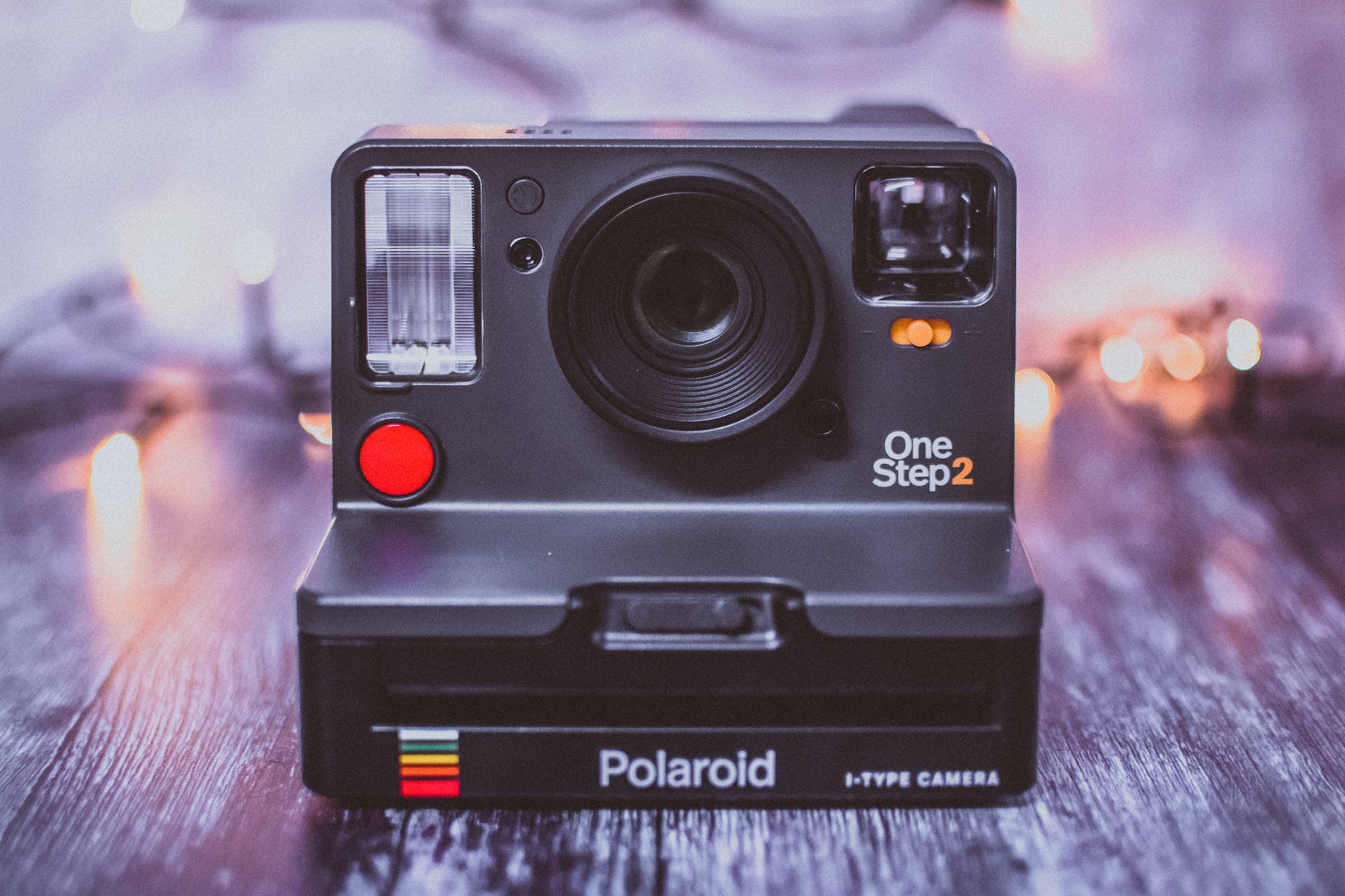
Polaroid Instant Cameras are still being made today and have improved a lot from the original 1948 version. There are 3 models including a smaller “Go Camera” which is compact and perfect for traveling.
I love photography and use my digital camera all the time but there’s something nostalgic about the Polaroid Instant Camera. So I think this year, I’ll have to put one of those on my wish list 😊
Hope you enjoyed this snippet of photography history today. Thanks for stopping by!!!
Share the Happy 💖
“Photography is the beauty of life captured.” ~Tara Chisolm





 Flowing Waters Art