Exploring Rembrandt: Master of Light and Emotion

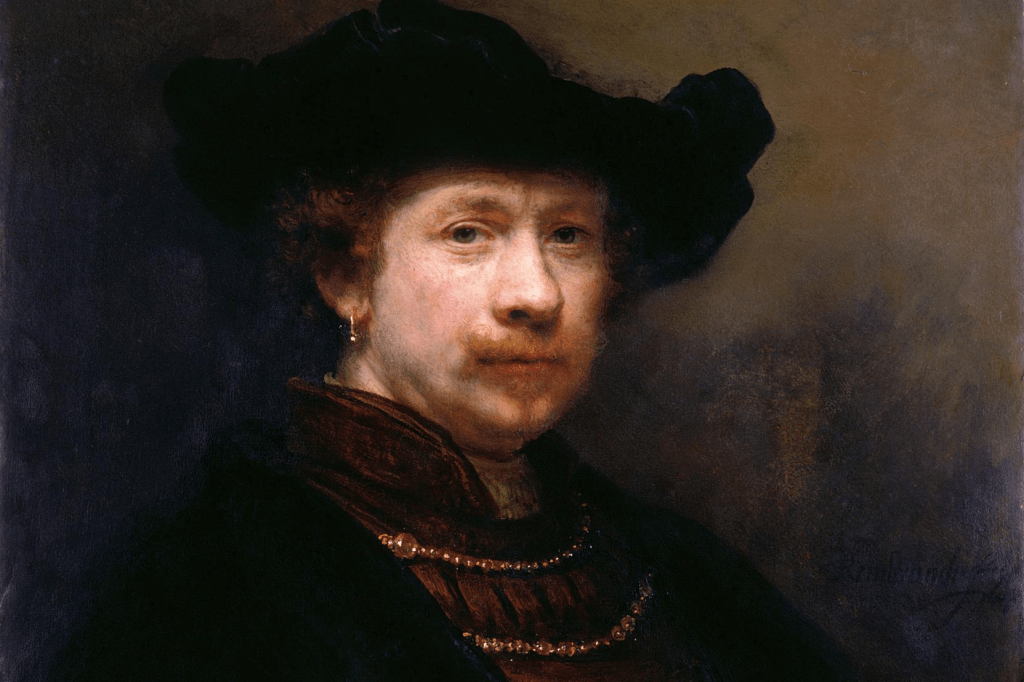
Rembrandt Self Portrait 1642

Today, I’m spending a little time with Rembrandt—one of history’s true artistic legends. Born in 1606 in Leiden, Netherlands, Rembrandt van Rijn rose to fame during the Dutch Golden Age as a painter, printmaker, and master of light and shadow. But beyond his technical brilliance, what makes Rembrandt’s work so moving is the emotion and humanity woven into each piece.

Rembrandt created hundreds of paintings and etchings—everything from grand biblical scenes to quiet, contemplative self-portraits. He painted the rich and the poor, the well-known and the overlooked, all with the same sense of dignity and soul. His use of chiaroscuro (the dramatic play of light and dark) didn’t just highlight physical features—it illuminated emotion, struggle, and inner life.

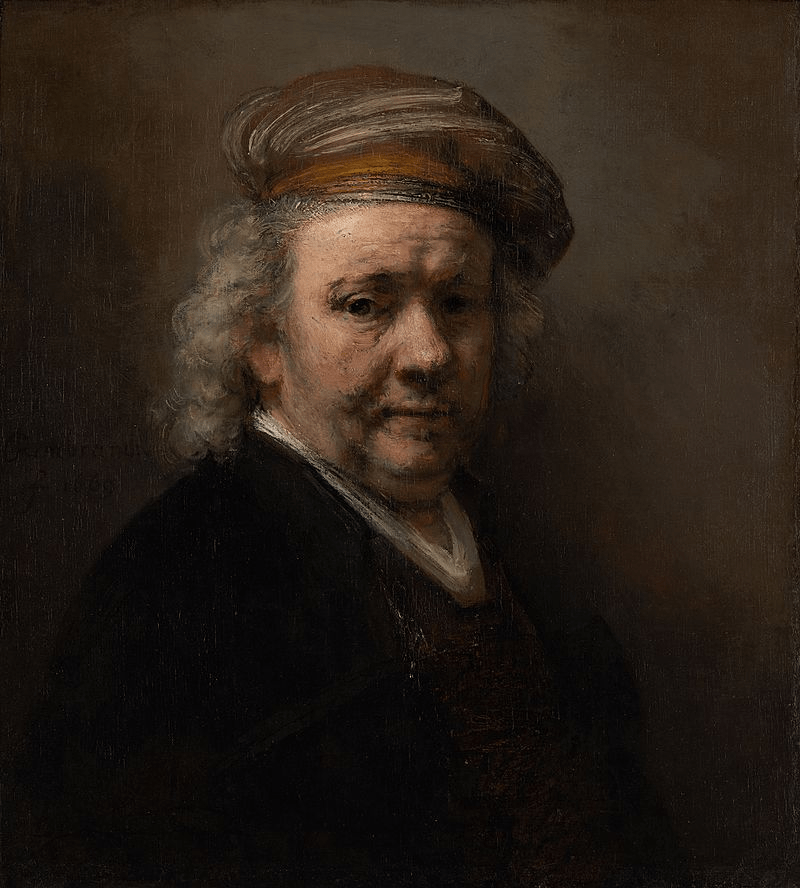
What’s especially inspiring is that Rembrandt’s life wasn’t easy. He experienced deep personal loss, including the death of his wife and three of their children. He also faced financial ruin later in life. And yet, he kept painting. In fact, some of his most powerful and introspective works came during these harder years. His late self-portraits are raw, honest, and quietly beautiful—proof that creativity doesn’t vanish in the face of hardship. Sometimes, it deepens.

Rembrandt’s art reminds me that no matter what we face, creativity has the power to uplift, connect, and inspire. So let’s keep creating, keep expressing, and let our light shine—just like he did.

Hope you enjoyed this little glimpse into art history—thanks so much for stopping by!

Share the Happy💖

A few of Rembrandt’s Paintings:
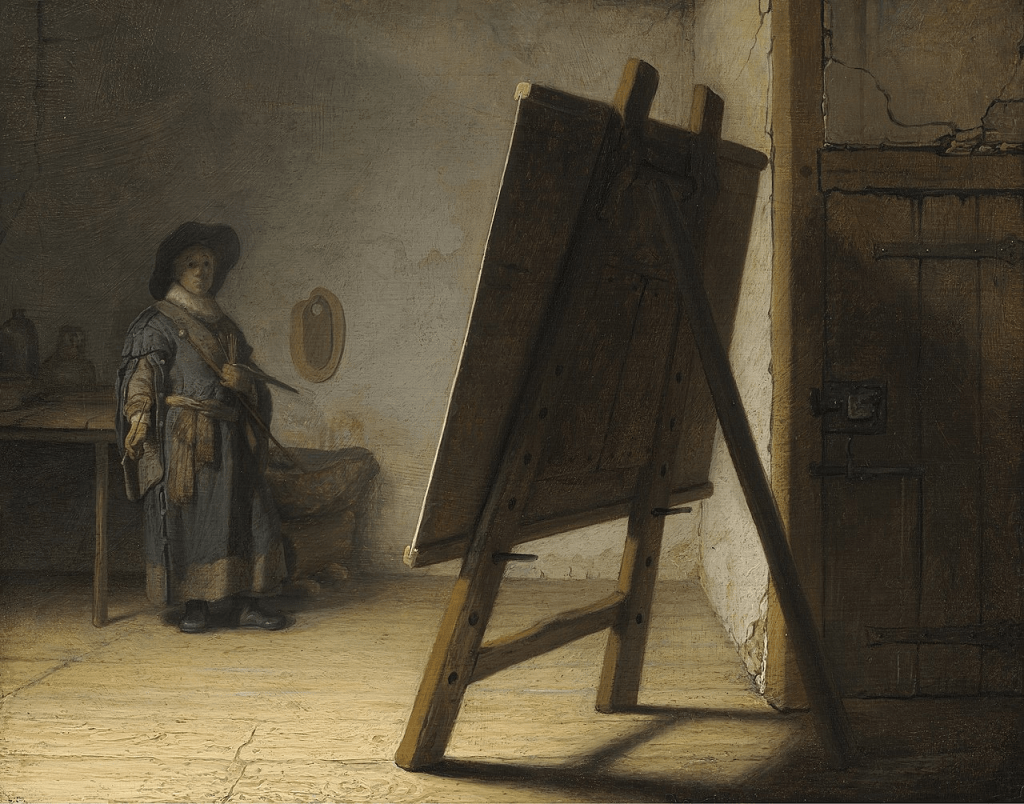
The Artist in his Studio 1629

The Storm of Galilee 1633

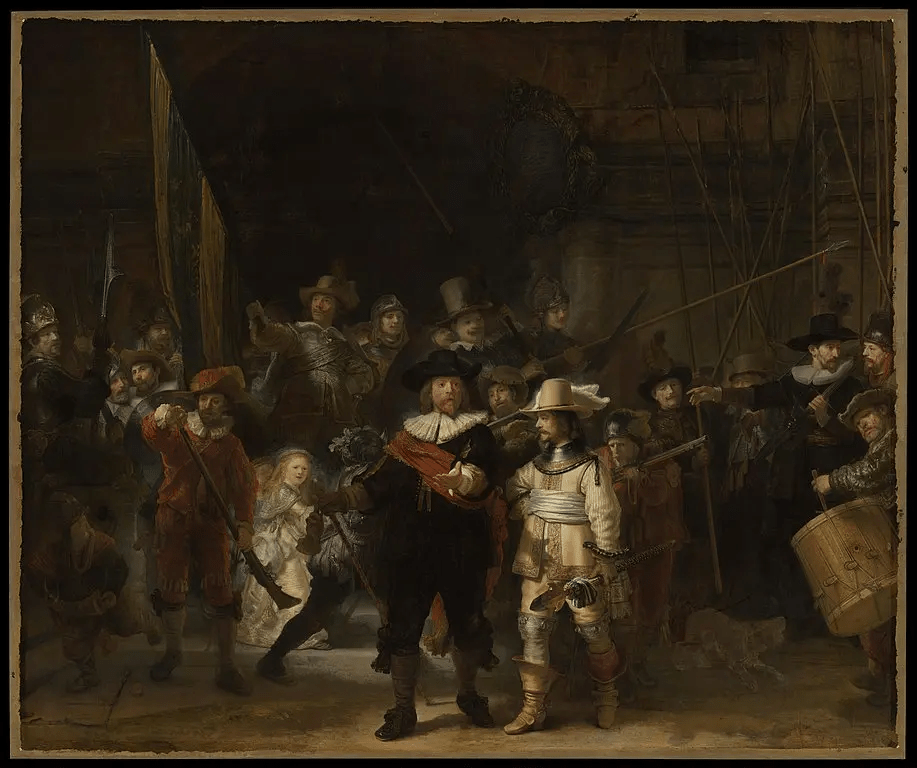
The Night Watch by Rembrandt 1642

Rembrandt Self Portrait 1669

Thoughtful Thursday The Timeless Art of Norman Rockwell

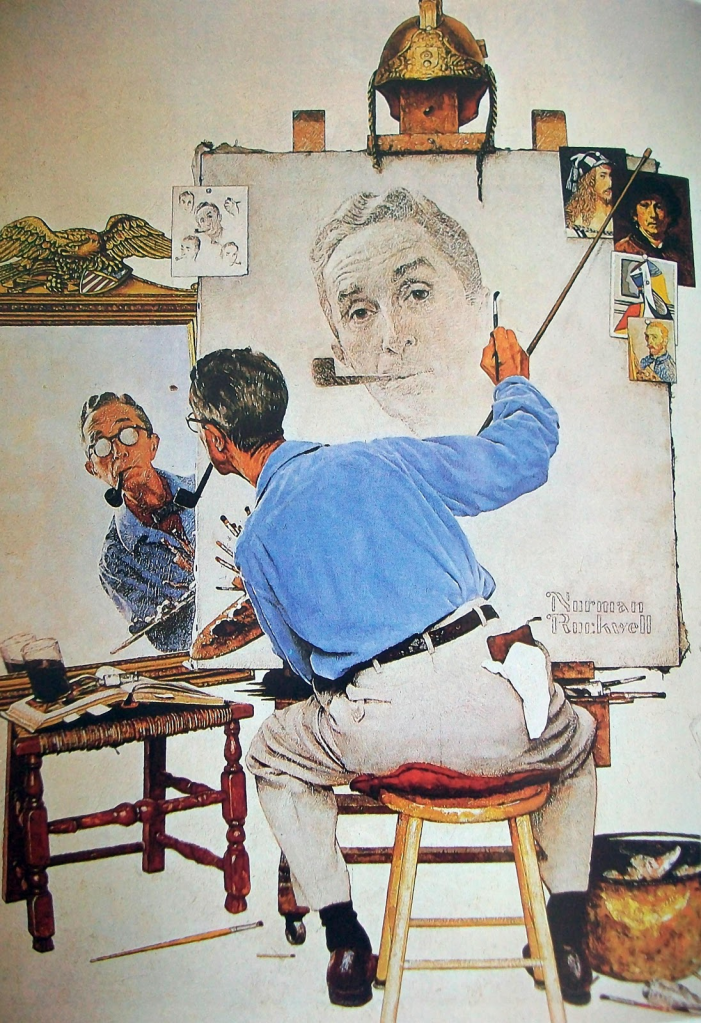
Norman Rockwell Self Portrait – 1960

Norman Rockwell, a master of American illustration, captured the heart and soul of everyday life in the 20th century. His art, renowned for its rich storytelling and emotional depth, adorned the covers of The Saturday Evening Post for nearly five decades. Rockwell’s work resonates with a timeless charm, portraying scenes of humor, patriotism, and human connection.

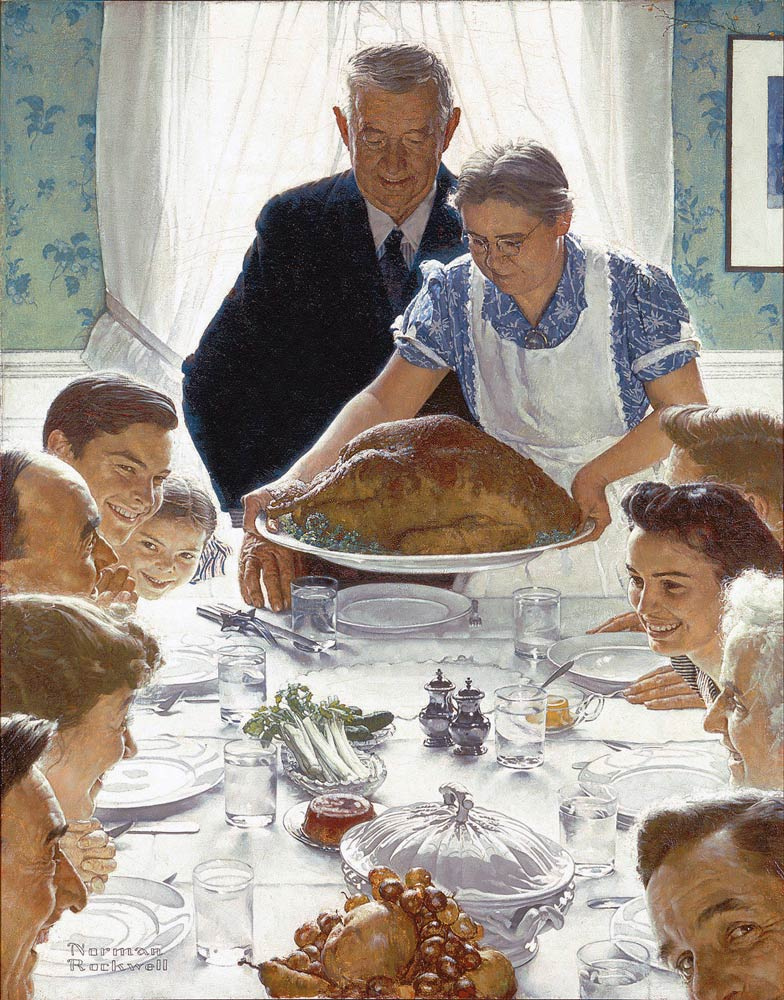
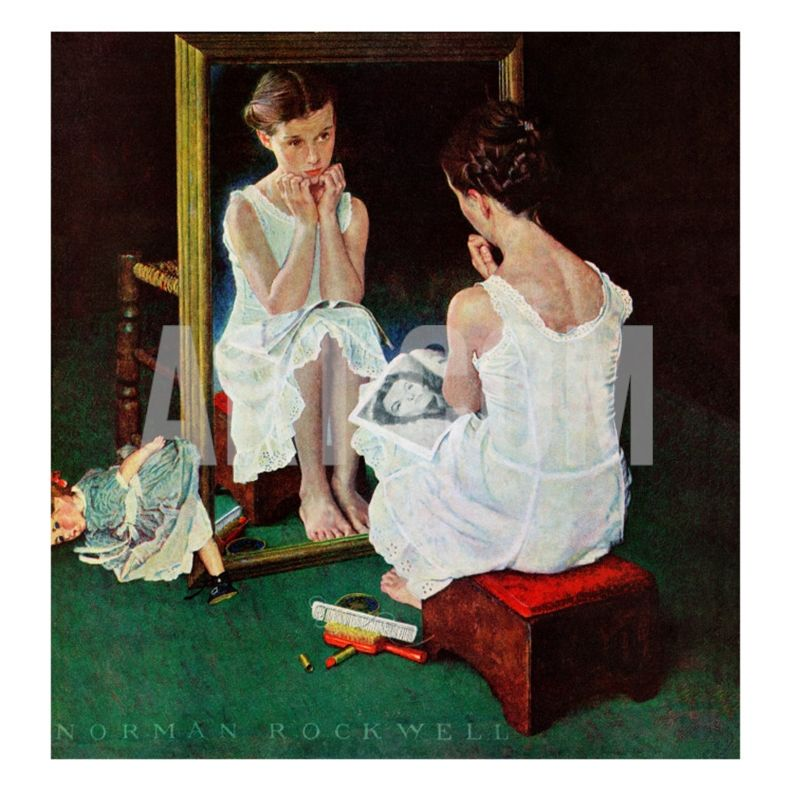
Rockwell’s keen eye for detail and his ability to depict the subtleties of human expression made his art uniquely relatable. From the innocence of childhood to the complexities of societal change, his paintings often told stories that words could scarcely convey. Iconic pieces like “Freedom from Want” and “Girl at Mirror” not only reflect his technical brilliance but also his deep empathy and social consciousness.

Beyond mere illustration, Rockwell’s art is a vibrant historical record, chronicling the American experience with warmth and sincerity. His ability to blend realism with idealism created a visual narrative that continues to inspire and comfort viewers today.

Exploring Norman Rockwell’s artwork is like taking a journey through the American spirit, reminding us of the enduring values of kindness, resilience, and unity.

Hope you enjoyed this art history post, thanks for stopping by!!

Share the Happy💖

Freedom from Want – Norman Rockwell 1943
Girl at Mirror – Norman Rockwell 1954