Exploring Pure Watercolor Techniques for Stunning Art

Featured

Returning to Pure Watercolor

Recently I’ve been working exclusively in 100% watercolor — no pens, no pencils, no mixed media — just paint, water, and experimentation. Limiting my tools in this way has been incredibly freeing. It removes distractions and brings my focus back to the natural movement of pigment, allowing watercolor to lead the conversation.

There’s a calm that comes from watching color bloom and settle. Working this simply reconnects me with why I love watercolor in the first place — the balance of intention and surrender.

Small Swatches, Big Discoveries

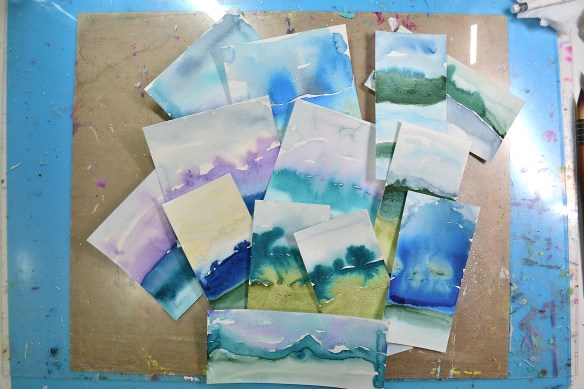
I started by creating lots of small watercolor swatches to test new color combinations, brushes, and techniques. These mini studies are where discovery happens. Each swatch becomes a low-pressure space to explore how pigments blend, separate, and create unexpected textures.

This playful experimentation feels both energizing and grounding. There’s no pressure for perfection — just curiosity. Some color pairings surprised me with their softness, while others produced bold, atmospheric effects that immediately sparked ideas for larger pieces.

From Testing to Finished Pieces

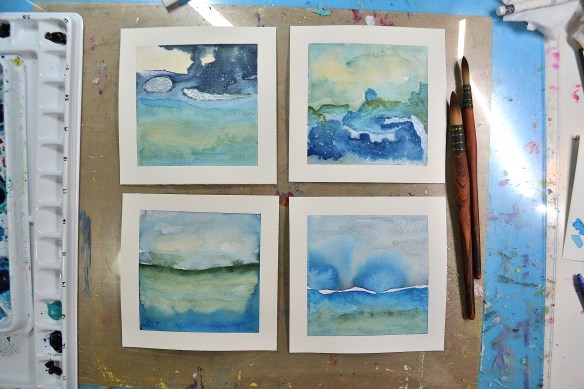
After choosing my favorite swatches, I moved into four 6×6 inch watercolor abstracts, carrying those discoveries forward. Even at this stage, the process stayed experimental. I adjusted water ratios, layered washes, and allowed organic edges to form naturally.

Each piece evolved from those early tests, maintaining a sense of freedom while gaining structure and intention. The result feels like a conversation between exploration and refinement — guided, but never forced.

Why This Process Matters

Working this way has been deeply refreshing for my creative mindset. Focusing on pure watercolor encourages patience, play, and emotional presence. It reminds me that experimentation isn’t separate from finished work — it is the foundation of it.

When I give myself permission to explore, my paintings feel more alive and expressive. That sense of freedom carries into the final pieces, creating art that reflects both process and feeling.

Thanks for stopping by, have a wonderful day!

Share the Happy ❤️

Setting New Creative Goals with Watercolor Landscapes

It’s hard to believe we’re already into November, with Thanksgiving just around the corner. As I start looking ahead to next year, I’m setting some exciting goals for my art journey—planning both what I want to accomplish and the new techniques I’m eager to explore.

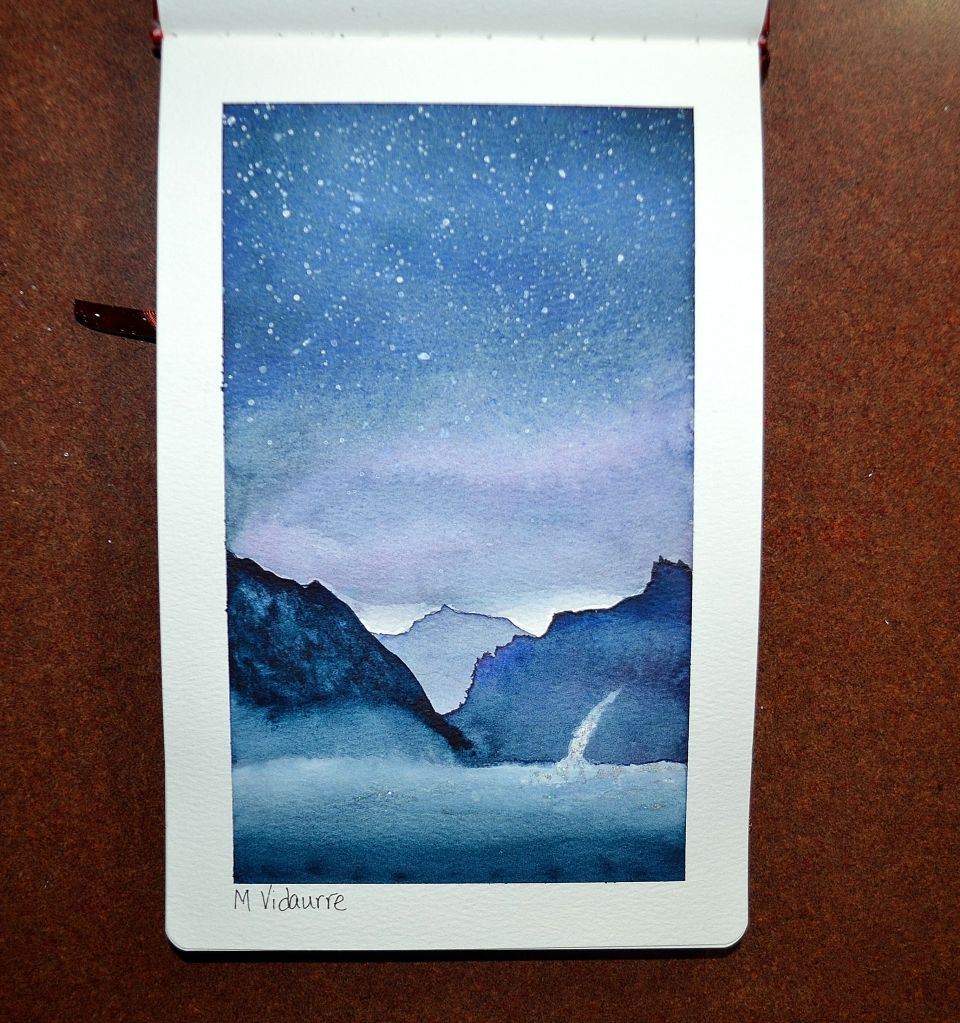
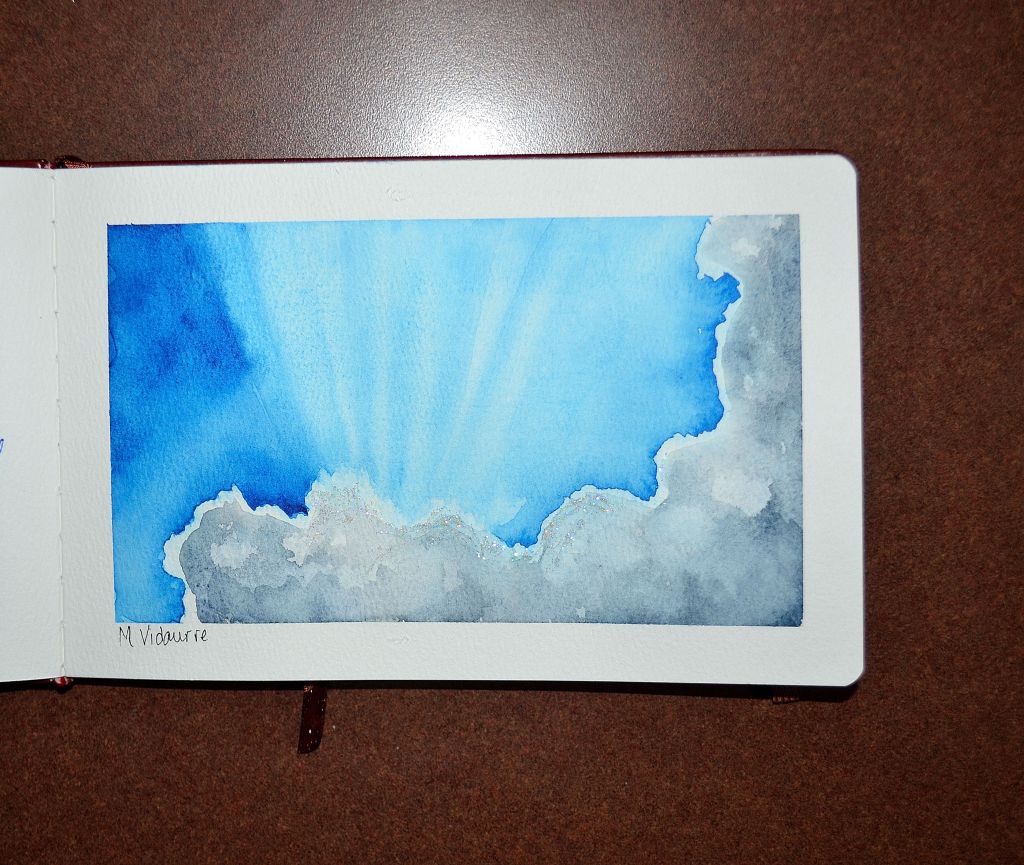
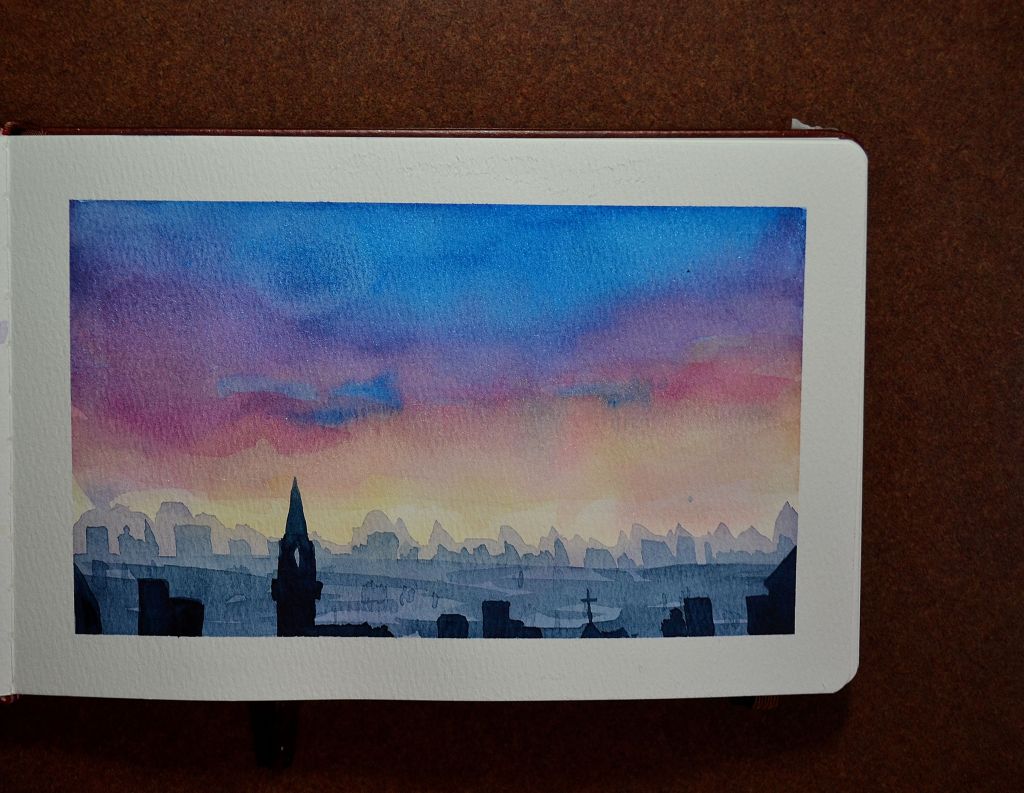
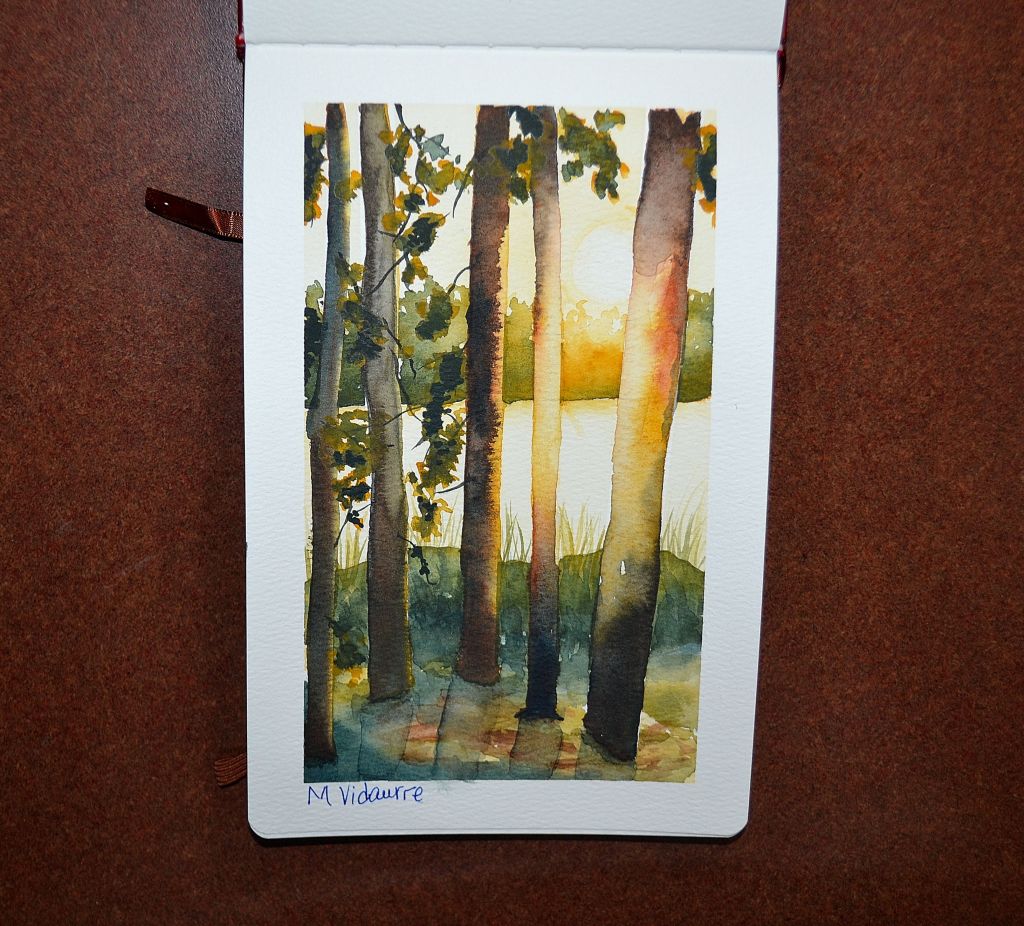
One of my personal goals is to complete a watercolor landscape in my journal each week. I’m a huge fan of Kolbie Blume, the talented artist behind This Writing Desk. Her books—Wilderness Watercolor Landscapes, Stunning Watercolor Seascapes, and Mastering Light in Watercolor—are my go-to guides for inspiration and technique. With all three on my shelf, I’ve decided to challenge myself to paint through each one, creating a new piece from her books each week until I’ve explored them all.

The paintings shown here were inspired by an online art challenge Kolbie hosted last year, which was a fantastic learning experience. I’m excited to dive back into her work and continue learning, especially as I build my skills in capturing the beauty of nature with watercolor.

If you haven’t checked out Kolbie’s work, I highly recommend it. Her books, website, and YouTube channel offer fantastic tutorials for watercolor lovers at any level. I hope this inspires you to set your own creative challenges for the upcoming year!

Wishing you a wonderful weekend filled with inspiration! 🌄✨

Share the Happy💖

Exploring Dark Watercolors in Abstract Art

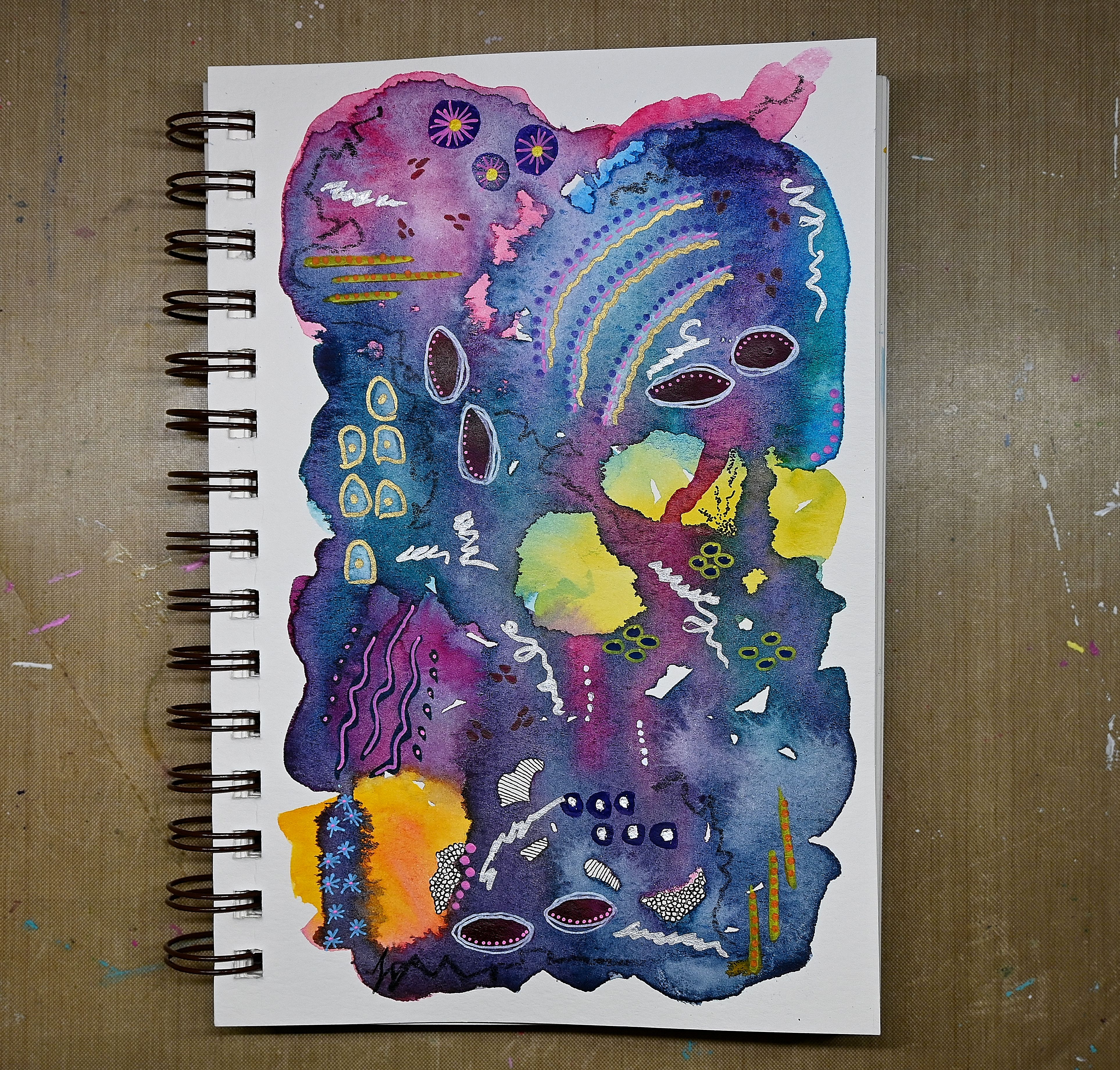
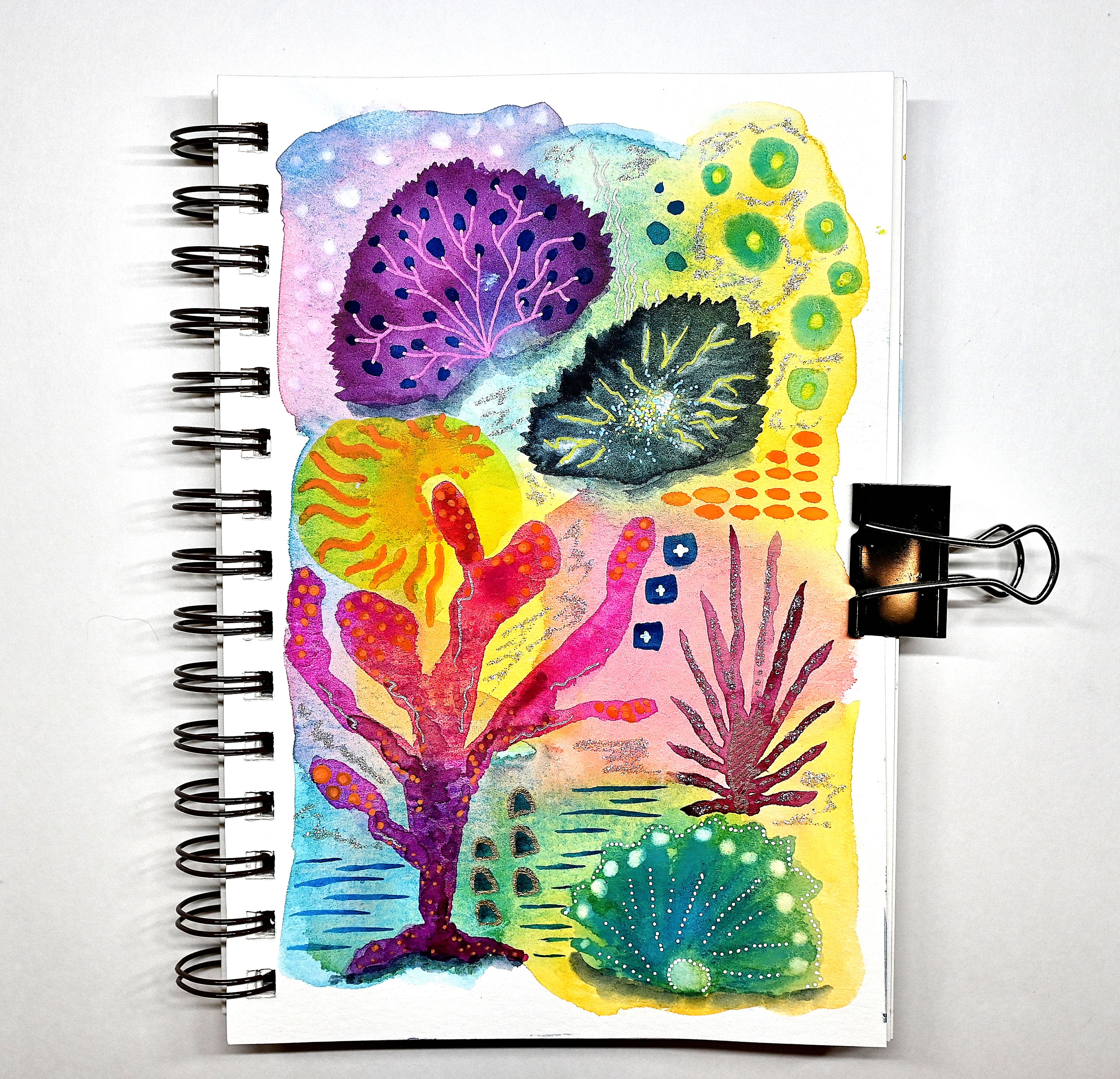
I decided to try something a little different in my 5.5×8.5″ watercolor journal. For this practice painting, I worked mostly with darker watercolors (shown above-left) instead of my usual brighter palette (shown above-right). I love how bold it turned out and how the brighter colors really pop against the deeper tones.

What didn’t quite meet my expectations was the neon-colored paint pens I used—they didn’t stand out as much as I’d hoped. One challenge with watercolor abstracts is that the paint moves and lifts when wet, which can cause those vibrant colors to get a bit muddied.

Still, it was a great practice piece, and I enjoyed the process. That said, I definitely prefer a lighter, brighter background for my work. How about you—do you lean towards bold and dark, or light and bright?

I hope this inspires your creative muse this weekend! Thanks for stopping by!!

Share the Happy 💖

“Creativity is seeing what others see and thinking what no one else have ever thought.” ~Albert Einstein