
Winter’s Wisdom: A Time for Reflection

Featured

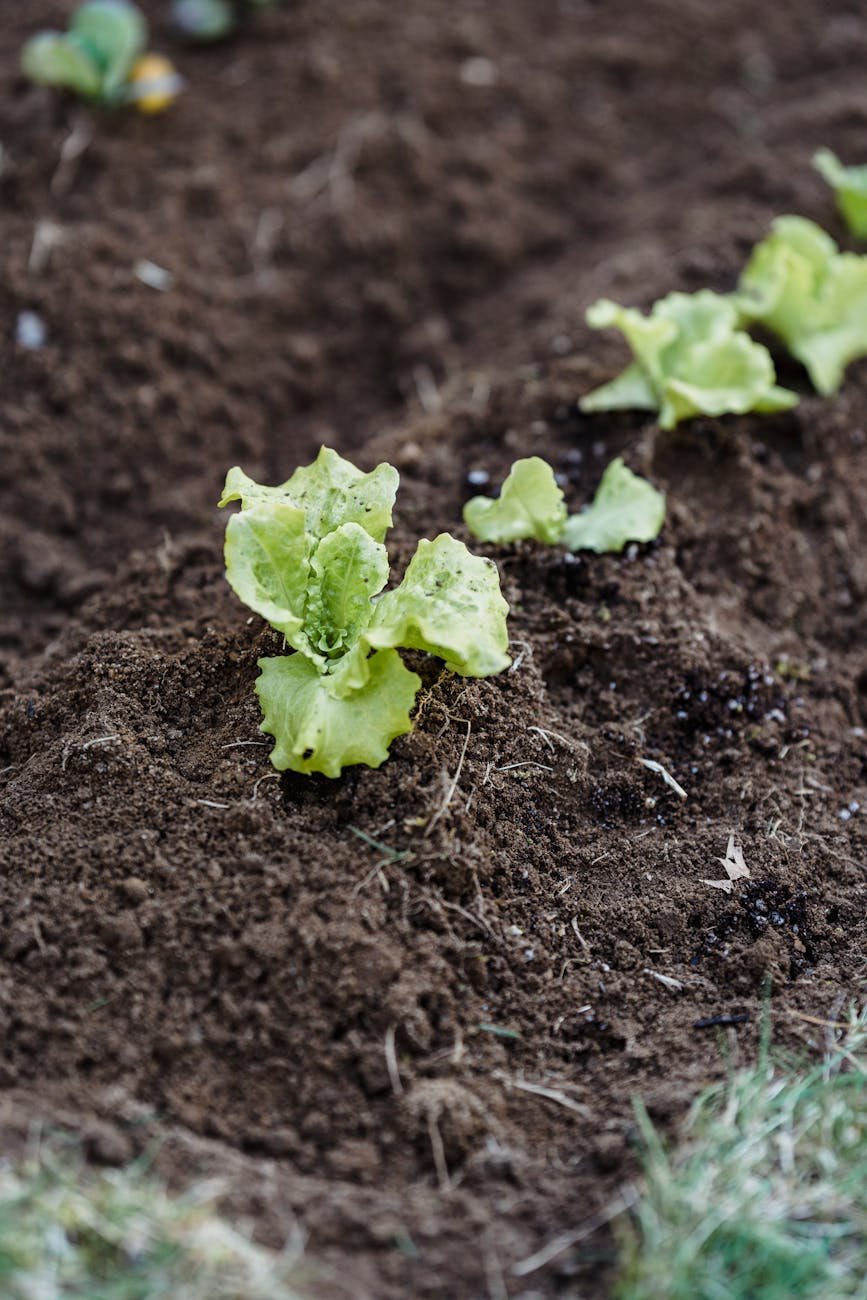
Photo by Tim Gouw on Pexels.com

Winter’s quiet invites us to pause—to breathe, to reflect, and to look back on the year with softer eyes. As the world slows down, we’re reminded that rest is part of growth, and reflection doesn’t have to come with judgment.

Seeing the Year Clearly—and Gently

Maybe this year unfolded differently than you hoped. Some goals bloomed; others never sprouted. There were bright moments, and there were heavy ones, too. Winter encourages us to accept all of it with honesty and compassion.

Instead of focusing on what didn’t happen, notice what did: the ways you showed up, the resilience you carried, the small wins that deserved celebration.

Viewing Yourself With Kindness

As you reflect, imagine reading your own story the way you’d read a friend’s—without harshness.

  • When were you braver than you realized?
  • Where did you grow, even quietly?
  • What did you learn about yourself through challenge or change?

You did the best you could with the energy and understanding you had. That’s enough.

Honoring Quiet Growth

Not every step forward is visible. Much of our growth happens beneath the surface—like winter roots strengthening in the cold. Maybe you set boundaries, tried something new, or allowed yourself to rest. These are not small things. They’re the foundations of who you’re becoming.

Moving Into the New Year Softly

Kind reflection plants gentler seeds for the year ahead. Instead of pressure, you carry clarity. Instead of criticism, you carry compassion.

Let this winter be a moment to honor how far you’ve come—and to treat yourself with the tenderness you’ve earned.

Thanks for stopping by—wishing you warmth, kindness, and plenty of reasons to Share the Happy❤️

Photo by Margerretta on Pexels.com

Embrace the Journey: Finding Joy Beyond Perfection

Featured

We’re surrounded by pressure to achieve: perfect careers, perfect routines, perfect results. But perfection is a moving target—it shifts the moment we get close. Chasing it keeps us anxious, rushed, and rarely satisfied.

The process, however, is where growth and meaning actually live.

Perfection Steals Joy

When we obsess over flawless outcomes, we measure our worth by results alone. Miss the mark, and suddenly we feel behind or not enough. Perfection turns life into a performance instead of an experience.

The Process Builds Who We Become

Real transformation happens in the in-between moments—practicing, learning, trying again. These steps aren’t glamorous, but they’re where confidence, skill, and resilience grow. Focusing on the journey lets us celebrate progress instead of waiting for one perfect moment.

Joy Lives in Presence, Not in Flawlessness

Joy shows up in doing the thing, not in doing it perfectly: cooking for fun, creating without pressure, learning out of curiosity. When we stop striving to be flawless, we make room for enjoyment, authenticity, and courage.

Life Isn’t a Performance—It’s a Practice

Everything meaningful—love, kindness, mastery—develops over time. When we shift our attention from perfection to process, life becomes richer, calmer, and more fulfilling.

Here’s to choosing progress, presence, and joy in all you do.
Go shine today—and Share the Happy ❤️

Lessons from Mozart: Unlocking Creative Genius

Wolfgang Amadeus Mozart is often hailed as one of the greatest musical geniuses of all time—and for good reason. Born in 1756, he composed over 600 works in his short 35 years of life, spanning symphonies, operas, concertos, and choral pieces that continue to move audiences today. But beyond the notes and melodies lies something even more fascinating: what Mozart’s life can teach us about creativity, passion, and purpose.


1. Start Young, Stay Curious

Mozart began composing at age five and performed for royalty as a child prodigy. But his early talent wasn’t just about raw genius—it was also nurtured by a deep curiosity and a supportive (if intense) musical environment.

Takeaway: Whether you’re starting at five or fifty, nurturing curiosity and surrounding yourself with inspiration can unlock powerful creative energy.


2. Practice Doesn’t Kill Passion—It Fuels It

Mozart wasn’t just naturally gifted—he worked incredibly hard. He was constantly composing, revising, performing, and pushing boundaries.

Fun fact: In 1784 alone, he wrote six piano concertos, each one rich with emotion and complexity.

Takeaway: Passion and discipline go hand in hand. Your creativity grows stronger with consistent effort, not despite it.


3. Innovation Isn’t Always Loud

Mozart didn’t need shocking gimmicks to innovate. He infused his music with unexpected twists—modulating keys, layering harmonies, and playing with structure—while still honoring the beauty of classical form.

Takeaway: True creativity isn’t about being flashy; it’s about bringing fresh life to your craft in your own voice.


4. Don’t Wait for the “Perfect” Time

Mozart faced illness, financial hardship, and professional rivalries. He didn’t live in a bubble of ease. And yet—he created masterpieces that are still performed centuries later.

Takeaway: Conditions may never be perfect. Create anyway. Your voice matters, even if the timing feels messy.


5. Leave a Legacy Through Your Passion

Mozart died young—just 35 years old—but the legacy he left behind is timeless. His music lives on because he poured heart, soul, and unshakable dedication into everything he did.

Takeaway: You don’t have to be world-famous to leave something meaningful behind. When you create from your heart, you never know who you’ll inspire—even long after you’re gone.


Final Thoughts

Mozart reminds us that creativity isn’t about waiting for a muse—it’s about showing up, playing with ideas, and letting passion drive the process. Whether you’re painting, writing, composing, or starting a business, take a page from Mozart’s book: begin with wonder, work with joy, and let your creativity sing.

Thanks so much for stopping by—wishing you a truly wonderful day!

Share the Happy💖