Exploring Rembrandt: Master of Light and Emotion

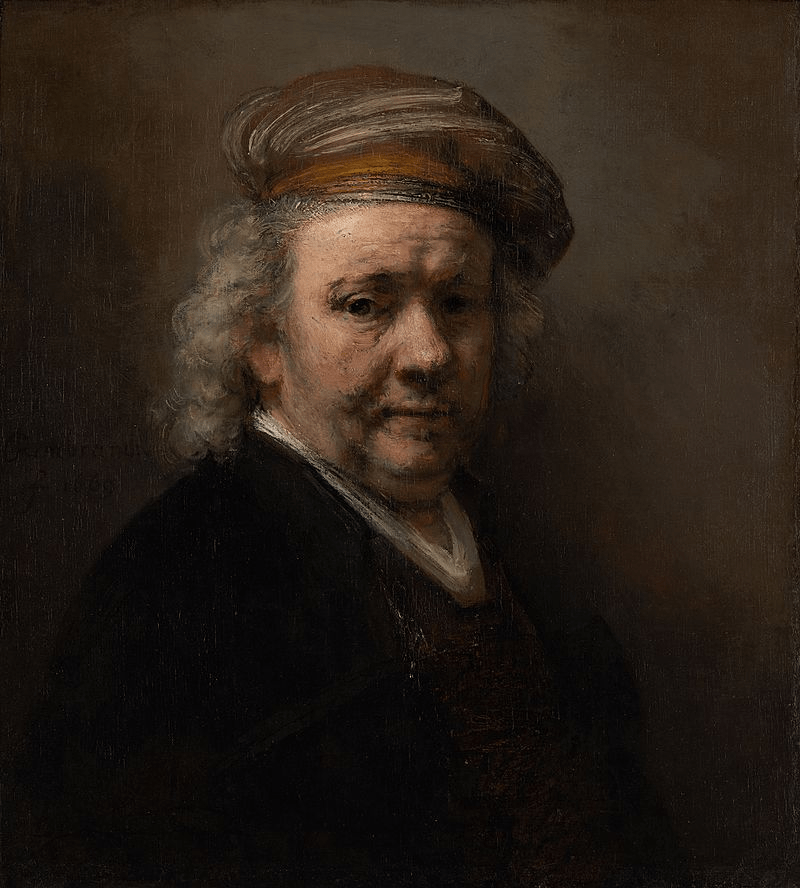
Rembrandt Self Portrait 1642

Today, I’m spending a little time with Rembrandt—one of history’s true artistic legends. Born in 1606 in Leiden, Netherlands, Rembrandt van Rijn rose to fame during the Dutch Golden Age as a painter, printmaker, and master of light and shadow. But beyond his technical brilliance, what makes Rembrandt’s work so moving is the emotion and humanity woven into each piece.

Rembrandt created hundreds of paintings and etchings—everything from grand biblical scenes to quiet, contemplative self-portraits. He painted the rich and the poor, the well-known and the overlooked, all with the same sense of dignity and soul. His use of chiaroscuro (the dramatic play of light and dark) didn’t just highlight physical features—it illuminated emotion, struggle, and inner life.

What’s especially inspiring is that Rembrandt’s life wasn’t easy. He experienced deep personal loss, including the death of his wife and three of their children. He also faced financial ruin later in life. And yet, he kept painting. In fact, some of his most powerful and introspective works came during these harder years. His late self-portraits are raw, honest, and quietly beautiful—proof that creativity doesn’t vanish in the face of hardship. Sometimes, it deepens.

Rembrandt’s art reminds me that no matter what we face, creativity has the power to uplift, connect, and inspire. So let’s keep creating, keep expressing, and let our light shine—just like he did.

Hope you enjoyed this little glimpse into art history—thanks so much for stopping by!

Share the Happy💖

A few of Rembrandt’s Paintings:

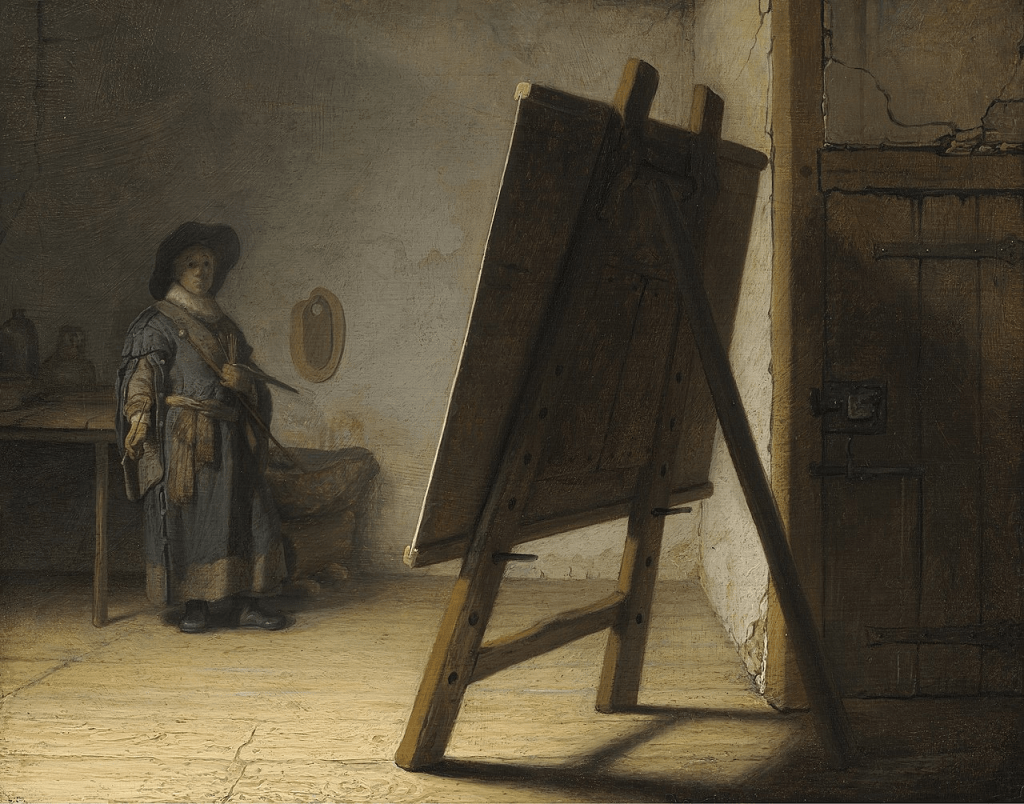
The Artist in his Studio 1629

The Storm of Galilee 1633

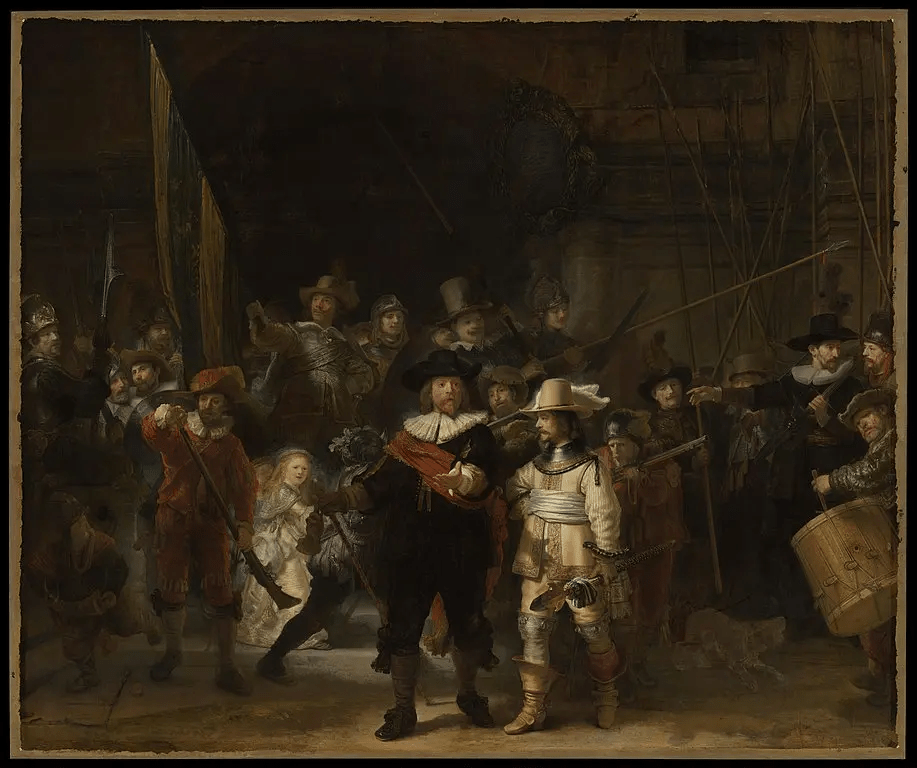
The Night Watch by Rembrandt 1642

Rembrandt Self Portrait 1669

Anticipating Mission: Impossible – The Final Reckoning

Photo by cottonbro studio on Pexels.com

As a kid, I enjoyed watching the original Mission: Impossible TV series. It was filled with action and intrigue—the kind of edge-of-your-seat drama that kept you guessing. The original show aired from 1966 to 1973 and set the stage for a legacy of high-stakes espionage storytelling.

Fast forward to today, and the Mission: Impossible film series, starring Tom Cruise as Ethan Hunt, has taken that same spirit and cranked it up with globe-trotting stunts, intense plot twists, and jaw-dropping action. Since the first film in 1996, each installment has built on the last—faster, bolder, and more daring than ever.

What truly sets the series apart is Cruise’s commitment to doing many of his own stunts, whether he’s hanging off cliffs, scaling skyscrapers, or free-falling from planes. It’s this mix of physical intensity and smart storytelling that keeps the franchise fresh and fans coming back.

Here’s a look at all the films in the Mission: Impossible series so far:

  1. Mission: Impossible – May 22, 1996
  2. Mission: Impossible 2 – May 24, 2000
  3. Mission: Impossible III – May 5, 2006
  4. Mission: Impossible – Ghost Protocol – December 16, 2011
  5. Mission: Impossible – Rogue Nation – July 31, 2015
  6. Mission: Impossible – Fallout – July 27, 2018
  7. Mission: Impossible – Dead Reckoning Part One – July 12, 2023
  8. Mission: Impossible – The Final ReckoningComing May 23, 2025

From its roots as a classic TV show to the edge-of-your-seat blockbusters we see today, Mission: Impossible has proven that some missions really are worth accepting—again and again. I’m especially excited for the upcoming installment, The Final Reckoning, which appears to be the last in the series. You can bet I’ll be heading to the theater to see it—stay tuned for a movie review!

Are you a huge fan gearing up to catch it on the big screen tomorrow? Here’s a link to the movie trailer: Mission: Impossible – The Final Reckoning (Trailer)

Hope you’ll be able to see it! Thanks for stopping by!!

Share the Happy 💖

Top 5 Strategies to Manage Time Like a Pro

Photo by Michaela on Pexels.com

Ever feel like your to-do list keeps growing while the hours slip away? You’re not alone. Good time management isn’t about doing more—it’s about doing what matters most. Here are a few tried-and-true techniques to help you work smarter, not harder:

1. Time Blocking
Divide your day into focused time blocks for specific tasks. This helps minimize multitasking and keeps distractions in check. Be sure to include breaks to recharge!

2. The Two-Minute Rule
If something takes less than two minutes, do it immediately. This keeps small tasks from piling up and gives you a quick sense of accomplishment.

3. Prioritize with the Eisenhower Matrix
Try the Eisenhower Matrix to sort your tasks: What’s urgent? What’s important? Focus your energy where it counts, and let go of the rest.

4. Batch Similar Tasks
Group similar tasks together—like replying to emails or planning content—so you can get into a flow and save mental energy.

5. Set Boundaries
Protect your creative or work time by limiting interruptions. That might mean setting specific hours for checking email or saying “no” to non-essential commitments.

Productivity isn’t about packing your schedule—it’s about making space for what truly matters. When you manage your time with intention, you create more room for focus, creativity, and even rest. Start small, stay consistent, and let your days work for you, not against you.

Thanks so much for stopping by—I’m so glad you’re here! 💛

Share the Happy💖

The Origins of Mother’s Day: Unveiling Its Heartfelt History

Photo by Jennifer Murray on Pexels.com

With Mother’s Day just three days away, I thought it’d be fun to take a quick look at where this heartfelt holiday actually came from. 💐

Believe it or not, Mother’s Day in the U.S. has roots in both ancient traditions and one woman’s heartfelt mission. While cultures around the world have honored motherhood for centuries (think ancient Greek festivals for Rhea, the mother of the gods), the modern version we know today was largely shaped by a woman named Anna Jarvis (pictured below).

After her own mother passed away, Anna wanted to create a national day to honor the sacrifices mothers make for their children. Her efforts paid off—in 1914, President Woodrow Wilson officially declared the second Sunday in May as Mother’s Day in the United States. 🇺🇸

Though Anna Jarvis succeeded in creating a national day to honor mothers, she later felt disheartened by how commercialized it had become. Her original vision was simple and sincere—think handwritten notes, heartfelt words, and quiet acts of love.

As Mother’s Day draws near, whether you’re celebrating a mom, honoring a mother figure, or quietly remembering someone you hold dear—let’s come back to the heart of it all: love, gratitude, and meaningful connection. It doesn’t have to be big or fancy. Sometimes, the smallest gestures say the most.

I’d love to know—how are you planning to honor Mother’s Day this year? 🌸

Share the Happy💖

🌷Happy Mother’s Day to all the amazing moms out there!🌷

Photo by Pixabay on Pexels.com

How to Build a Consistent Fitness Habit

Photo by TMS Sam on Pexels.com

Let’s be real—staying motivated to move your body regularly isn’t always easy. Life gets busy, energy dips, and sometimes your bed just looks way more appealing than your sneakers. But building a consistent fitness habit is more about small mindset shifts than sheer willpower.

Here are a few gentle tips to help you stay on track (without burning out):

💪 1. Remember your “why.”
Instead of chasing a number, focus on how movement makes you feel—stronger, calmer, more energized.

🧠 2. Set small, doable goals.
A 10-minute stretch counts. So does a walk around the block. Motivation grows when goals feel achievable.

🎧 3. Make it fun.
Hate running? Don’t run! Try dancing, hiking, or a fun workout playlist that makes you want to move.

📅 4. Schedule it like a meeting.
Treat your workout like an important date with yourself—and keep that promise.

💬 5. Celebrate progress, not perfection.
Consistency beats intensity. Give yourself credit for showing up, even if it’s just a little.

🌱 Fitness is a journey, not a race. The goal is to keep going—not to be perfect. One step, one rep, one day at a time. You’ve got this! 😉

Thanks so much for stopping by—hope this gave you a little boost of motivation today!

Share the Happy💖

Celebrate a Joyful Easter: Embrace Creativity and Renewal

Easter is almost here, and with it comes a breath of fresh air—literally and creatively. The soft colors of spring, blooming flowers, and longer days bring a sense of renewal that feels like a gentle nudge to slow down and savor the beauty around us.

Whether you’re spending the day dyeing eggs, sharing a meal with loved ones, or simply soaking in the sunshine, Easter is a sweet reminder that after every winter, something beautiful blooms again.

As an artist, I find so much inspiration in this season—pastels, florals, and the feeling of lightness that seems to dance through the air. It’s the perfect time to let your creativity stretch its wings, try something new, or simply enjoy the process of making without pressure.

However you choose to celebrate, I hope this Easter fills your heart with peace, your home with laughter, and maybe your sketchbook with a few fresh ideas too.

Wishing you a joyful, art-filled Easter Sunday!💐

Share the Happy💖

A Walk in Monet’s Garden: Observing the World Through Art

“All I did was to look at what the universe showed me, to let my brush bear witness to it.”
~ Claude Monet

When I came across this quote by Monet, it stopped me in my tracks. Such a simple thought, yet so deeply powerful. It reminds me that art isn’t always about striving or planning—it’s about noticing. Truly seeing. Allowing beauty to move through you and out onto the page, canvas, or journal.

Monet painted the world as he experienced it: shimmering light on water, the softness of morning mist, the dance of color in a garden alive with blooms. His work invites us not only to see, but to feel.

That’s the heart of my painting, “A Walk in Monet’s Garden.” It’s a gentle meditation on color and tranquility—a moment where I allowed myself to pause, observe, and let my brush bear witness, too. It’s not a replica of Monet’s style, but a reflection of the awe I feel when I slow down and look at the world with wonder.

Maybe today, you’ll take a quiet moment to do the same. Let beauty find you. Let it speak through whatever medium brings you peace.

Hope you enjoyed this today, thanks for stopping by!!

Share the Happy 💖

Reduce Your Environmental Footprint at Home

Photo by Photo By: Kaboompics.com on Pexels.com

Creating a more sustainable home doesn’t have to be complicated or expensive. Small, mindful changes can significantly reduce your environmental footprint while also saving money and improving your well-being. Whether you’re just starting your eco-friendly journey or looking to take it to the next level, these simple tips will help you build a greener, healthier home.

1. Switch to Energy-Efficient Lighting
Replace incandescent bulbs with LED or CFL lights. They use less energy, last longer, and save you money on your electricity bill.

2. Reduce Water Waste
Install low-flow showerheads and faucets, fix leaks promptly, and collect rainwater for watering plants. Small steps can lead to big savings in water usage.

3. Choose Sustainable Materials
Opt for furniture and decor made from reclaimed wood, bamboo, or recycled materials. Eco-friendly paints and finishes also help reduce indoor air pollution.

4. Minimize Single-Use Plastics
Switch to reusable bags, containers, and glass or stainless steel water bottles. Reducing plastic waste helps keep our planet cleaner.

5. Improve Home Insulation
Proper insulation keeps your home warm in winter and cool in summer, reducing energy consumption. Consider weather-stripping doors and windows to prevent drafts.

6. Compost and Recycle
Start composting food scraps and yard waste to reduce landfill contributions. Set up a recycling station to make sorting waste easier.

7. Grow Your Own Food
Even a small herb garden can make a difference! Growing your own produce reduces transportation emissions and ensures fresh, chemical-free food.

Making your home more eco-friendly doesn’t have to be overwhelming. Start small, and gradually incorporate more sustainable habits into your daily life. Every positive change, no matter how minor, contributes to a healthier planet.

Thanks for reading! I hope you found these tips helpful. If there’s a topic you’d love to see covered in a future Thoughtful Thursday post, let me know—I’d be happy to explore it! 😊

Share the Happy💖

Watercolors vs. Gouache: Which Paint is Right for You?

Lately, I’ve been working on a small handmade journal, experimenting with both watercolors and gouache. Each medium has its own strengths, so I thought I’d share some of the perks and drawbacks of both. If you love painting, you’ve probably come across these two, and while they share similarities, their unique qualities can make a big difference in your creative process. Let’s dive into the pros and cons to help you decide which one suits your style best!

Watercolor

Pros:

  • Transparent & Layerable – Watercolors create beautiful, light washes and ethereal effects.
  • Fluid & Spontaneous – The paint flows naturally, making it great for loose, expressive work.
  • Lightweight & Portable – Perfect for travel and on-the-go painting.
  • Mixing Potential – Can achieve a wide range of colors with just a few pigments.

Cons:

  • Less Control – The unpredictability of water can be challenging to manage.
  • Lighter Colors Only – Once a dark color is down, it’s hard to lighten it.
  • Paper Dependent – Requires high-quality, absorbent paper for best results.

Gouache

Pros:

  • Opaque & Vibrant – Offers rich, bold colors with great coverage.
  • More Control – Doesn’t flow as much as watercolor, making details easier to refine.
  • Reworkable – Can be reactivated with water after drying, unlike acrylic.
  • Matte Finish – Gives a velvety, professional look, perfect for illustrations.

Cons:

  • Less Flow – Doesn’t have the same natural blending effects as watercolor.
  • Can Crack When Thick – If applied too heavily, it may crack when dry.
  • Not as Portable – Tends to be heavier and requires a palette for mixing.

Which One Should You Choose?

If you love soft, translucent layers and effortless blending, watercolor might be your best bet. If you prefer bold colors and a more forgiving medium, gouache is a great choice. Why not experiment with both and see what suits your style?

Which one do you prefer—watercolor or gouache? Let me know in the comments!

I hope you found this helpful—thanks for stopping by!

Share the Happy💖

Essential Spring Cleaning Checklist: Revitalize Your Home

Photo by SHVETS production on Pexels.com

Today is officially the first day of spring and it’s the perfect time to refresh your home and clear out the clutter from winter. A thorough spring cleaning not only revitalizes your space but also brings a sense of renewal and clarity. Here’s a complete checklist to help you tackle your home room by room and start the season feeling fresh and organized!

1. Declutter Before You Clean

Before diving into deep cleaning, start by decluttering your home. Donate, recycle, or discard items you no longer need.

  • Sort items into keep, donate, and toss piles.
  • Organize closets and drawers.
  • Store winter clothing and decor.

2. Deep Clean Every Room

Once you’ve decluttered, it’s time for a deep clean! Focus on these key areas:

Kitchen

  • Clean out and organize the refrigerator and pantry.
  • Wipe down countertops, cabinets, and appliances.
  • Degrease the stovetop and oven.
  • Sanitize the sink and replace sponges.

Living Room

  • Dust and polish furniture.
  • Wash throw blankets and pillow covers.
  • Vacuum and deep clean carpets or mop hard floors.
  • Clean windows and wipe down blinds.

Bedrooms

  • Rotate and flip mattresses.
  • Wash bedding, including pillows and comforters.
  • Organize and dust nightstands and dressers.
  • Clean under the bed and in closet corners.

Bathrooms

  • Scrub sinks, tubs, and toilets.
  • Replace old towels or bath mats if needed.
  • Wipe mirrors and sanitize high-touch areas.
  • Declutter and organize toiletries.

Home Office

  • Organize paperwork and shred unnecessary documents.
  • Wipe down desks and electronics.
  • Disinfect keyboards and computer screens.
  • Declutter cables and cords.

3. Refresh the Air & Fabrics

A fresh-smelling home can uplift your mood instantly.

  • Open windows to let in fresh air.
  • Diffuse essential oils or light a candle.
  • Wash curtains and vacuum upholstery.
  • Replace HVAC filters for cleaner air.

4. Tackle Outdoor Spaces

Don’t forget your home’s exterior!

  • Sweep patios and clean outdoor furniture.
  • Wipe down door frames and porch railings.
  • Check gutters and downspouts for debris.
  • Plant fresh flowers or refresh landscaping.

5. Maintain the Clean

To keep your home fresh year-round, implement small daily habits:

  • Wipe down surfaces regularly.
  • Do a quick declutter at the end of each day.
  • Stick to a weekly cleaning schedule for maintenance.

Spring cleaning is all about starting fresh and making your home a space that feels light, inviting, and stress-free. Take it one step at a time, and soon, you’ll have a beautifully refreshed space to enjoy all season long!

What’s your favorite spring cleaning tip? Share in the comments below! ✨

Thanks for stopping by!

Share the Happy💖