
10 Habits for Better Sleep: Transform Your Nights

Photo by Andrea Piacquadio on Pexels.com

Do you ever struggle to get a good night’s sleep? I know I do. With busy schedules, endless screen time, and everyday stress, unwinding at night isn’t always easy. But small changes in your daily routine can make a big difference. Here are 10 simple habits to help you sleep better and wake up refreshed.

  1. Stick to a Schedule – Go to bed and wake up at the same time every day, even on weekends.
  2. Limit Screen Time – Turn off screens at least an hour before bed to reduce blue light exposure.
  3. Create a Relaxing Routine – Wind down with calming activities like reading or meditation.
  4. Watch Your Caffeine Intake – Avoid caffeine in the afternoon to prevent restless nights.
  5. Keep Your Room Cool & Dark – A comfortable environment helps signal your body it’s time to sleep.
  6. Exercise Regularly – Daily movement can improve sleep quality, but avoid intense workouts before bed.
  7. Avoid Heavy Meals Late – Eating too close to bedtime can disrupt digestion and rest.
  8. Manage Stress – Journaling or deep breathing can help clear your mind before sleep.
  9. Limit Naps – Keep daytime naps short (20-30 minutes) to avoid messing up your nighttime sleep.
  10. Invest in Comfort – A good mattress, pillows, and breathable bedding can make all the difference.

Better sleep doesn’t have to be complicated—small, consistent habits can lead to big improvements. Try incorporating a few of these tips into your routine and see what works best for you. Wishing you restful nights and refreshed mornings! Thanks for stopping by, and happy sleeping! 😴✨

Share the Happy💖
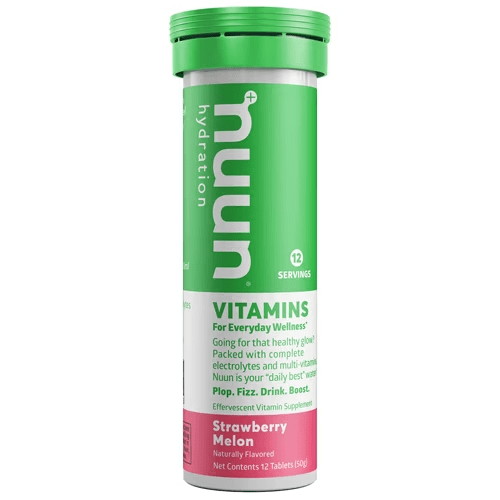
Thoughtful Thursday Nuun Vitamins Hydration Review

Staying hydrated during these hot summer months is essential, and Nuun Vitamins Hydration offers a convenient and tasty way to ensure you’re getting the vitamins you need along with your hydration. These effervescent tablets are designed to dissolve in water, creating a refreshing drink that’s packed with vitamins and minerals.

Key Features:

  • Vitamins & Electrolytes: Nuun Vitamins Hydration provides a blend of vitamins A, C, D, E, and B6, along with key electrolytes like sodium, potassium, and magnesium.
  • Convenience: The tablets come in a compact tube, making them easy to carry in your bag, gym kit, or even a pocket. Just pop a tablet into your water bottle, let it dissolve, and enjoy.
  • Flavor Variety: Available in several delicious flavors like Strawberry Melon, Blueberry Pomegranate, and Tangerine Lime, there’s a taste for everyone.
  • Low-Calorie & Sugar-Free: With just 10 calories per serving and no added sugar, Nuun Vitamins Hydration is a healthier alternative to sugary sports drinks.

Benefits:

  • Hydration Boost: Enhances your water with essential nutrients, helping you stay hydrated and energized throughout the day.
  • Immune Support: Vitamins C and D contribute to a strong immune system, making it a great choice year-round.
  • Workout Recovery: Electrolytes help replenish what you lose through sweat, making it ideal for post-exercise hydration.

My Personal Experience:

I found Nuun Vitamins Hydration to be a game-changer, especially when going on my summer walks or just having fun at the beach. The strawberry melon flavor is my favorite and it’s refreshing without being overly sweet, plus my body loves the added vitamins for an immune boost. The convenience of the tablets is unmatched, making it easy to stay hydrated on the go.

Nuun Vitamins Hydration is a fantastic option for anyone looking to enhance their water with vitamins and electrolytes. It’s convenient, delicious, and supports overall health without the extra calories and sugar. Give it a try and share your thoughts in the comments below—how do you stay hydrated and healthy?

Note: Always consult your healthcare provider before starting any new supplement, including Nuun Vitamins Hydration, to ensure it is appropriate for your individual health needs.

Thanks for stopping by!!

Share the Happy💖

Thoughtful Thursday Maximize Health Benefits: Focus on Organic Dirty Dozen & Clean Fifteen

Photo by Mark Stebnicki on Pexels.com

As awareness of health and environmental issues continues to grow, more people are turning to organic produce to reduce their exposure to pesticides and support sustainable farming practices. While buying all organic can be costly, alternatively you can focus on certain fruits and vegetables to maximize the benefits.

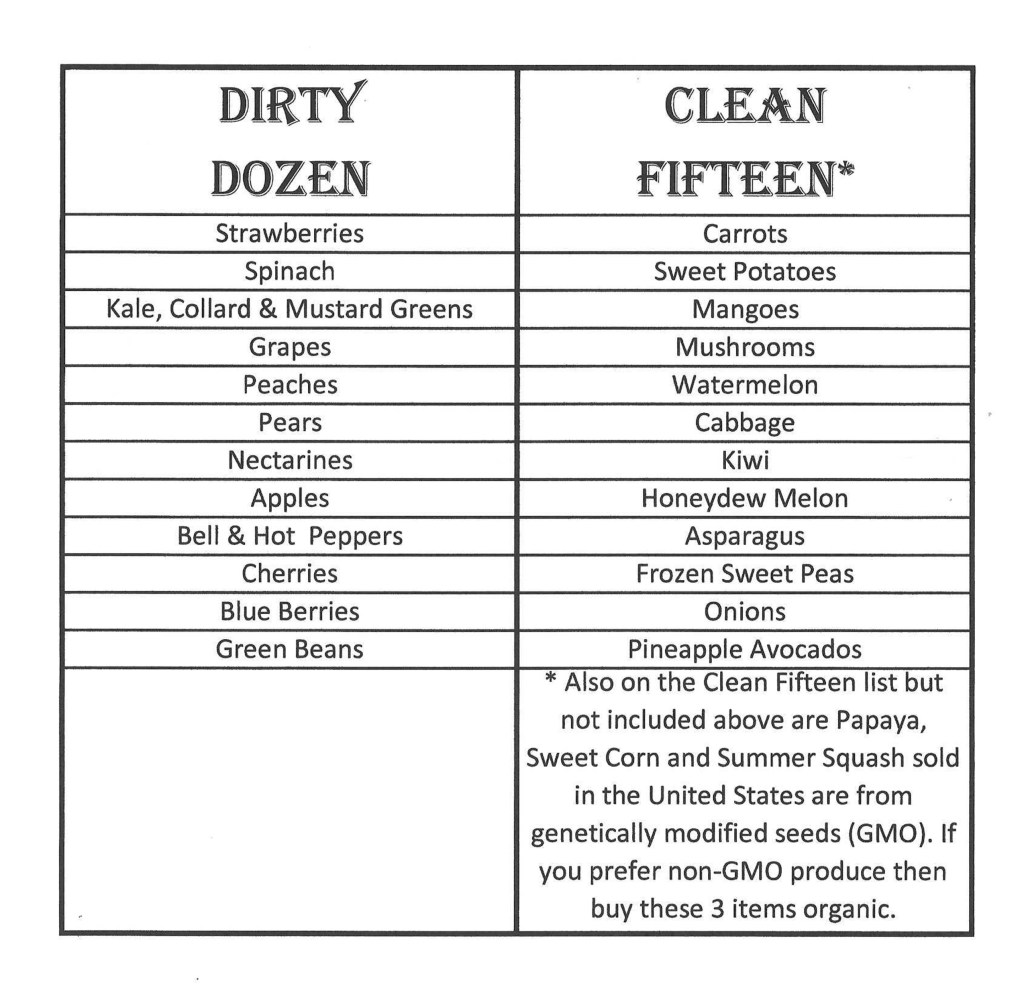
The Environmental Working Group (EWG) publishes two primary lists every spring, the “Dirty Dozen” which is safest to buy organic and the “Clean Fifteen” which is safest to buy conventionally.

Here are some tips on making shopping for organic produce easier on the wallet:

  1. Shop Seasonally: Organic produce is often cheaper when it’s in season.
  2. Visit Farmers Markets: Local farmers markets can offer fresh, organic produce at competitive prices.
  3. Join a CSA: Community Supported Agriculture (CSA) programs allow you to buy shares of organic produce directly from local farmers.
  4. Grow Your Own: If you have space, growing your own organic fruits and vegetables can be a rewarding and cost-effective option.
  5. Prioritize the Dirty Dozen: Focus your organic purchases on the produce listed in the Environmental Working Group’s (EWG) Dirty Dozen, which highlights fruits and vegetables with the highest pesticide residues.

By prioritizing these key fruits and vegetables, you can significantly reduce your pesticide exposure and enjoy healthier produce. Making informed choices about organic options supports sustainable farming and contributes to a healthier planet.

Would love to hear from you! Share your experiences and tips on buying organic produce in the comments. For example: How do you prioritize your organic purchases? Do you have favorite markets or creative ways to save on organic options? Let’s foster a community of shared knowledge for healthier, sustainable choices✨

Hope you found this post useful, thanks for stopping by!!

Share the Happy💖

Thoughtful Thursday Organic Produce vs. GMO: What’s the Difference?

Photo by Clem Onojeghuo on Pexels.com

In recent years, the debate between organic produce and genetically modified organisms (GMOs) has gained considerable attention. Understanding the key differences can help you make informed decisions about what you eat.

Organic Produce

Organic produce is grown without synthetic chemicals, using natural methods like composting, crop rotation, and biological pest control. These practices promote environmental sustainability and protect biodiversity. Foods labeled “organic” are often seen as healthier and more eco-friendly.

GMOs

Genetically modified organisms (GMOs) are plants or animals with altered DNA to introduce traits like pest resistance or drought tolerance. Proponents argue that GMOs can lead to higher crop yields, reduced pesticide use, and enhanced nutritional content.

Health and Safety

The safety of GMOs is debated, but many organizations like WHO and AMA say they are safe to eat. Some consumers, however, worry about long-term health effects. Organic produce, free from synthetic chemicals and GMOs, can be reassuring for those avoiding potential risks of conventional farming methods.

In regards to health effects, this is my personal experience: I love tomatoes, and had one with dinner. Around 3 am, I woke up in extreme pain, unable to close my hands into fists or move my legs, arms, and even my neck. The next day, I did research and found it was likely either a sudden onset of Rheumatoid Arthritis or an adverse reaction to GMOs.

The easiest option was to rule out was the GMO tomato so I decided to eat another tomato. I clearly didn’t think that through because the same exact thing happened. The pain was excruciating and took several days to subside. However, for me this confirmed the painful inflammation I was experiencing wasn’t arthritis, but instead, my body’s response to the GMO tomato I had eaten.

Environmental Impact

Organic farming avoids synthetic chemicals and promotes soil health, enhancing biodiversity and reducing pollution. However, it typically requires more land and labor. GMOs can reduce the need for chemical inputs and increase crop resilience, but there are concerns about their impact on non-target species and potential gene flow to wild relatives.

Cost and Availability

Organic produce is often more expensive than conventional produce due to the labor-intensive farming practices and lower yields. GMOs, on the other hand, can be produced more efficiently and are typically more affordable. The availability of organic produce can also be limited depending on your location.

While not everyone will experience the severe reaction I did to GMOs, organic produce is generally considered better for your health and the environment, provided your budget allows. Stay tuned for next week’s discussion on which produce items are consistently safer to buy organic, and which ones are acceptable in their conventional form.

Hope you found this post useful, thanks for stopping by!!

Share the Happy💖

Thoughtful Thursday Lemon Love: Unleashing the Power of a Citrus Superstar

Photo by Elle Hughes on Pexels.com

Lemons are a versatile fruit that offer a myriad of benefits and uses beyond their tangy flavor. Rich in vitamin C, antioxidants, and various nutrients, lemons are a powerful addition to your daily routine.

I grew up with a lemon tree in the backyard, and my mom was very creative in using lemons in tasty recipes I loved making them one of my favorite fruits.

From boosting health to enhancing flavors and even household cleaning, lemons are an incredible multitasker. Let’s dive into the many ways you can benefit from this citrus superstar:

Health Benefits:

  1. Boosts Immune System: The high vitamin C content in lemons helps strengthen your immune system, warding off colds and infections.
  2. Aids Digestion: Lemon water can stimulate healthy digestion by encouraging the production of bile and improving liver function.
  3. Promotes Hydration: Adding lemon to your water can make it more flavorful, encouraging you to drink more and stay hydrated.
  4. Improves Skin Health: The antioxidants in lemons help fight free radicals, promoting clear and glowing skin.

Culinary Uses:

  1. Flavor Enhancer: Lemons add a burst of flavor to both savory and sweet dishes, from salads and marinades to desserts and beverages.
  2. Preservative: The acidity of lemons makes them a natural preservative, perfect for preventing the browning of fruits and vegetables.
  3. Baking: Lemon zest and juice are common ingredients in baking, adding a fresh and zesty flavor to cakes, cookies, and breads.

Household Uses:

  1. Natural Cleaner: Lemons have antibacterial and antiseptic properties, making them an effective natural cleaner for cutting boards, countertops, and appliances.
  2. Deodorizer: Lemon’s fresh scent can neutralize odors, making it a great choice for freshening up your kitchen, fridge, and garbage disposal.
  3. Polish: Lemon juice mixed with baking soda can create a paste that effectively polishes metal surfaces, leaving them shiny and clean.

Incorporating lemons into your daily routine can boost your health, enhance your meals, and freshen up your home. With their numerous benefits and versatile uses, lemons truly are a remarkable fruit.

Hope you found this post useful today🍋 Thanks for stopping by!

Share the Happy💖