Thoughtful Thursday The Timeless Art of Norman Rockwell

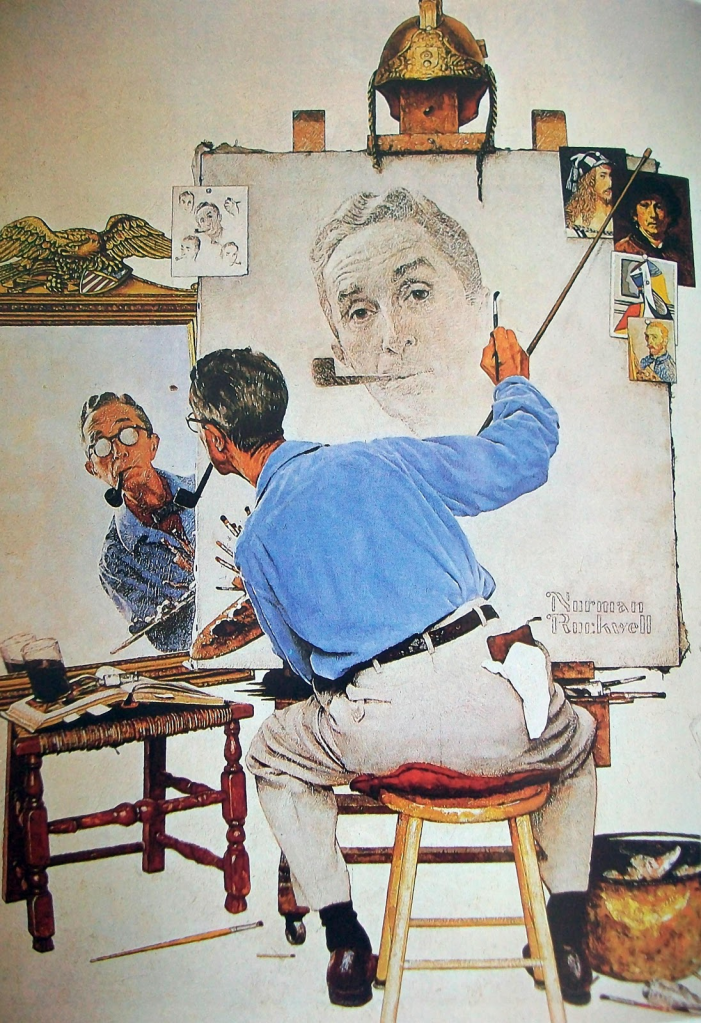
Norman Rockwell Self Portrait – 1960

Norman Rockwell, a master of American illustration, captured the heart and soul of everyday life in the 20th century. His art, renowned for its rich storytelling and emotional depth, adorned the covers of The Saturday Evening Post for nearly five decades. Rockwell’s work resonates with a timeless charm, portraying scenes of humor, patriotism, and human connection.

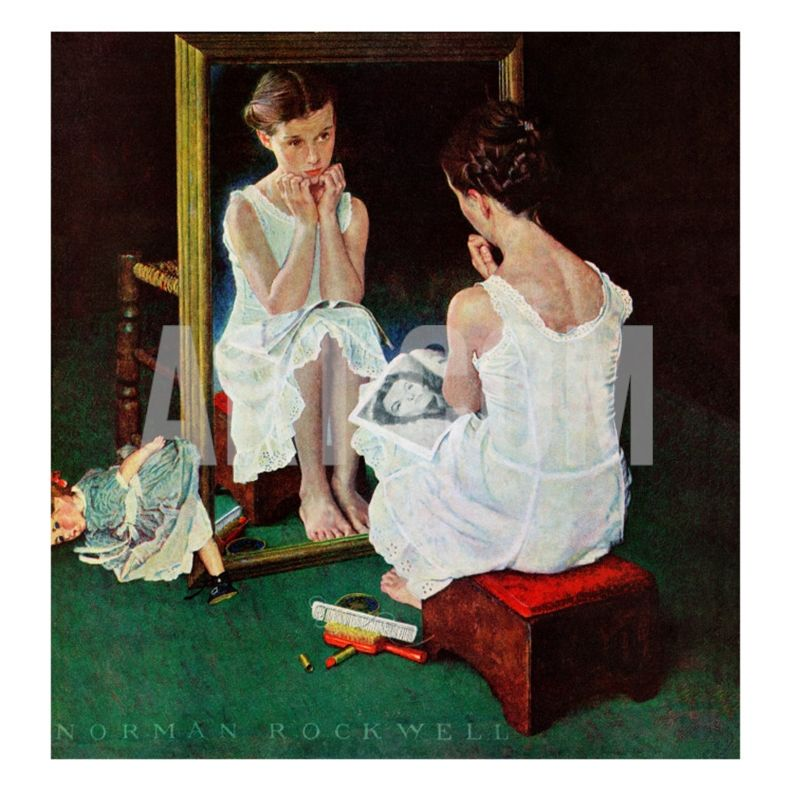
Rockwell’s keen eye for detail and his ability to depict the subtleties of human expression made his art uniquely relatable. From the innocence of childhood to the complexities of societal change, his paintings often told stories that words could scarcely convey. Iconic pieces like “Freedom from Want” and “Girl at Mirror” not only reflect his technical brilliance but also his deep empathy and social consciousness.

Beyond mere illustration, Rockwell’s art is a vibrant historical record, chronicling the American experience with warmth and sincerity. His ability to blend realism with idealism created a visual narrative that continues to inspire and comfort viewers today.

Exploring Norman Rockwell’s artwork is like taking a journey through the American spirit, reminding us of the enduring values of kindness, resilience, and unity.

Hope you enjoyed this art history post, thanks for stopping by!!

Share the Happy💖
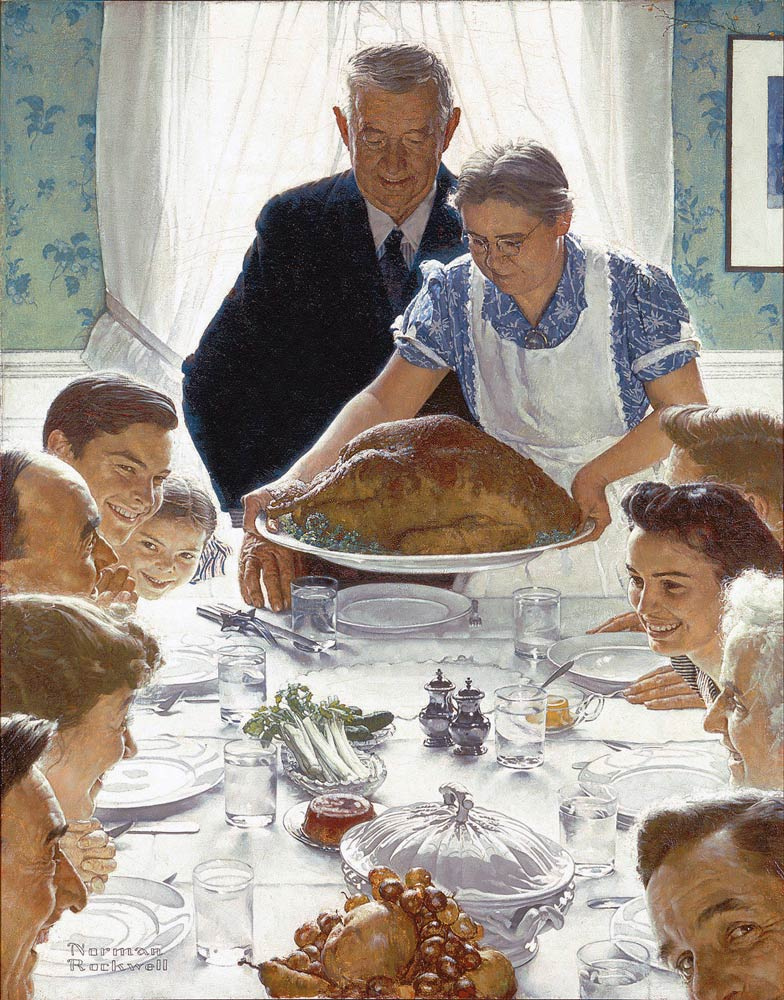
Freedom from Want – Norman Rockwell 1943
Girl at Mirror – Norman Rockwell 1954

Thoughtful Thursday Realism Art

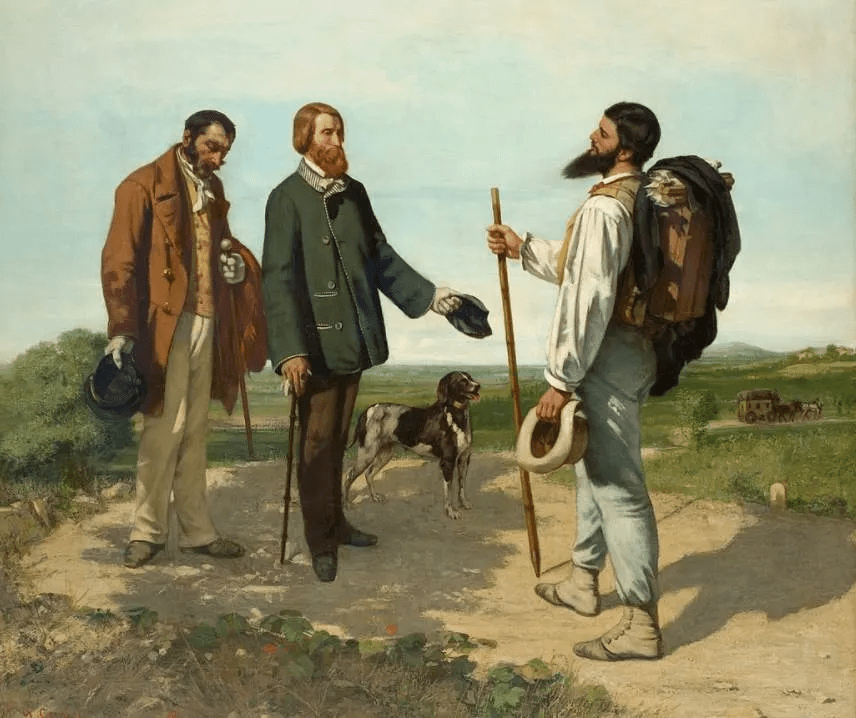
The Meeting by Gustave Courbet (1854)

Realism, emerged in the mid-19th century as a reaction against the idealized and romanticized depictions prevalent in art. Rooted in a desire to represent everyday life, realism sought to capture the world as it truly appeared, without embellishment. This artistic movement revolutionized the art world, paving the way for a new era of authenticity and truthfulness in artistic expression.

At the heart of Realism is a commitment depicting the world with vivid detail and uncompromising honesty. Artists of this movement sought inspiration from the lives of ordinary people, exploring themes such as social injustice, poverty, and the harsh realities of urban life. Through their works, they sought to shed light on the human condition and provoke thought and reflection among viewers.

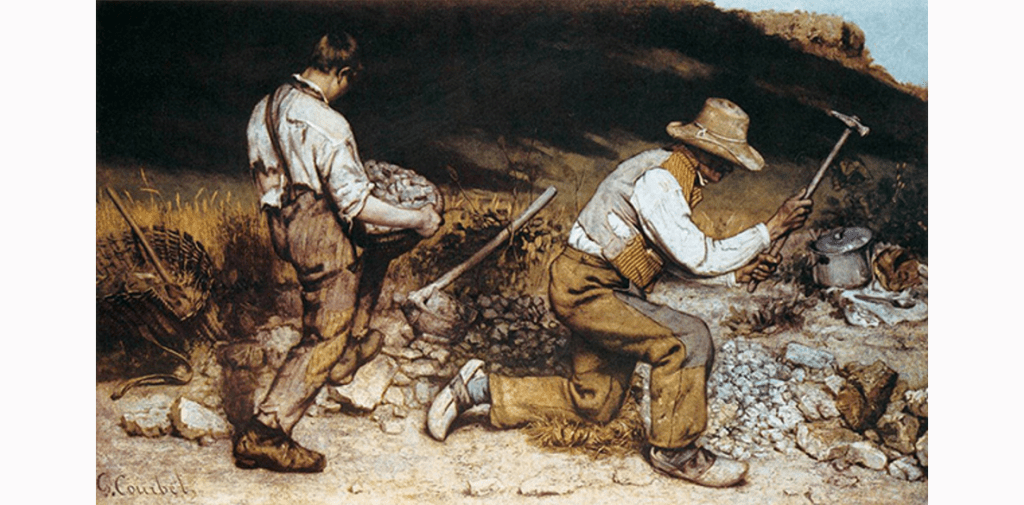
One of the most influential Realist artists was Gustave Courbet, often hailed as the father of the movement. His bold and unflinching portrayals of rural life and labor, as seen in works like “The Stone Breakers” and “A Burial at Ornans,” (shown below) challenged traditional artistic conventions and sparked controversy within the art world.

The Stone Breakers by Gustave Courbet (1849)
A Burial at Ornans by Gustave Courbet (1849)

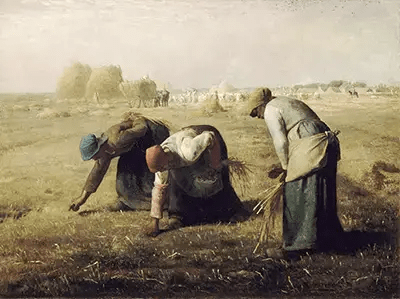
Another prominent figure in Realism was Jean-François Millet, whose poignant depictions of peasant life captured the dignity and resilience of the rural poor. His iconic painting “The Gleaners” (shown below) remains a powerful symbol of solidarity and perseverance in the face of adversity.

In addition to Courbet and Millet, other notable Realist artists include Honoré Daumier, Édouard Manet, and Winslow Homer. Each of these artists brought their own unique perspective and style to the movement, contributing to its rich and diverse legacy.

Despite its origins in the 19th century, the principles of Realism continue to resonate with artists and audiences today. In an age marked by rapid technological advancement and social change, the pursuit of truth and authenticity in art remains as relevant as ever. Through their commitment to depicting the world as it truly is, Realist artists have left a lasting mark on the history of art, inspiring generations to come.

Hope you found this history in art enlightening, thanks for stopping by!!

Share the Happy💖
The Gleaners by Francois Millet (1857)
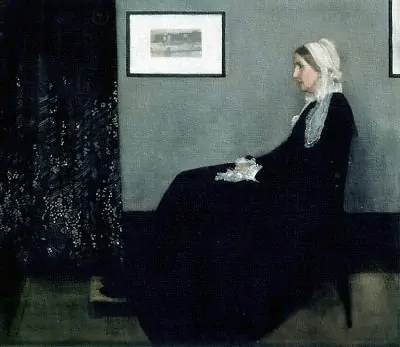
Whistler’s Mother by James McNeill Whistler (1871)

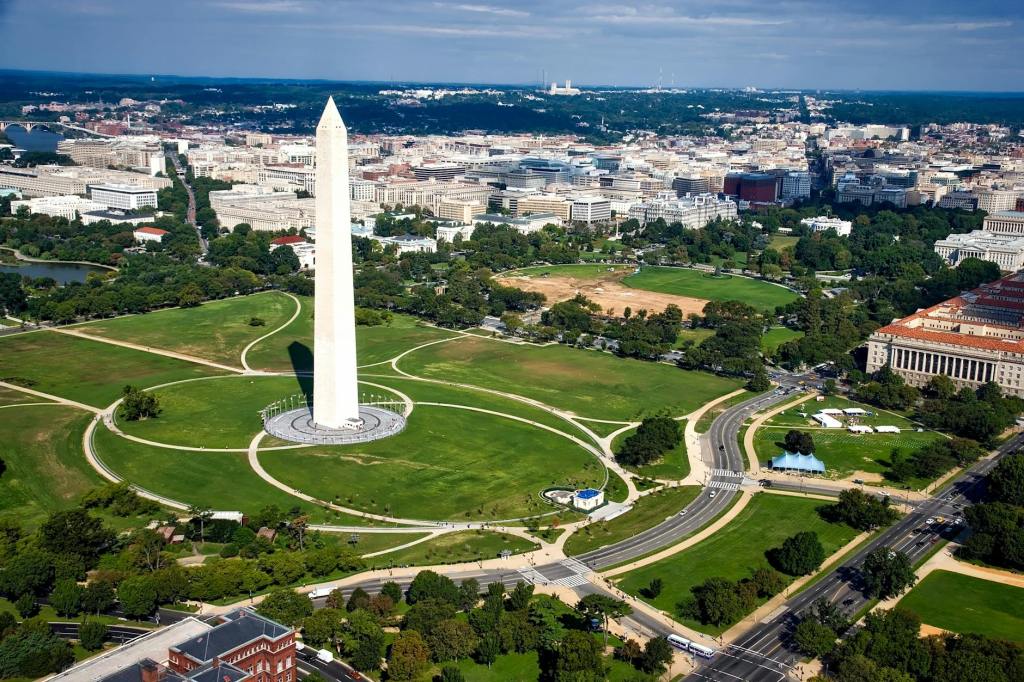
Thoughtful Thursday Washington Monument

Photo by Eric Dekker on Pexels.com

Did you know that plans for the Washington Monument were underway even before George Washington became President? Back in 1783, Congress voted to create a memorial dedicated to Washington, recognizing his pivotal role as Commander in Chief during the Revolutionary War. However, due to financial constraints, Washington scrapped the plans once he assumed the presidency.

Congress again wanted to honor Washington’s legacy in 1799 after his death and proposed to build a pyramid-shaped mausoleum but that didn’t work out either. It wasn’t until 1833 that the National Monument Society was formed by concerned Washingtonians. The Society launched a design competition, led by Chief Justice John Marshall who ultimately selected the winner, architect Robert Mills, renowned for his work on notable buildings such as the US Treasury and Patent Office.

The resulting structure in the shape of an Egyptian obelisk reminiscent of ancient civilizations, was constructed in two phases, funded both privately and publicly. Upon its completion in 1884, the Washington Monument soared to a height of over 555 feet, making it the tallest building in the world at the time. Though surpassed in height by the Eiffel Tower in 1889 at 984 feet, the Monument remains an enduring symbol of Washington’s legacy.

Having had the opportunity to tour the Monument myself during a visit to Washington, DC, I can attest to its breathtaking views and awe-inspiring presence. If you ever find yourself in the DC area, be sure to include a visit to the Washington Monument on your itinerary – it’s an experience you won’t soon forget!

Thanks for stopping by!

Share the Happy💖

Photo by Pixabay on Pexels.com

The resulting structure, an Egyptian obelisk reminiscent of ancient civilizations, was constructed in two phases, funded both privately and publicly. Upon its completion in 1884, the Washington Monument soared to a height of over 555 feet, making it the tallest building in the world at the time. Though surpassed in height by the Eiffel Tower in 1889, the Monument remains an enduring symbol of Washington’s legacy.

Having had the opportunity to tour the Monument myself during a visit to Washington, DC, I can attest to its breathtaking views and awe-inspiring presence. If you ever find yourself in the DC area, be sure to include a visit to the Washington Monument on your itinerary – it’s an experience you won’t soon forget!

Thoughtful Thursday Florida Key Lime Pie

Photo by Caramelle Gastronomia on Pexels.com

Florida Key Lime pie is a culinary masterpiece that tantalizes the taste buds and immediately takes you to the sunny shores of Florida. With it’s slightly tart lime flavor, smooth texture and delicious graham cracker crust, this iconic dessert has become synonymous with the Florida Keys.

There are quite a few variations to this delicious treat but one of my favorites can be found at Kermit’s Key Key Lime Shop, located at 200 Elizabeth Street in Key West, Florida. This is one of four locations with a second shop on Duval Street also in Key West, another in Deland, Florida and a fourth shop in Charleston, South Carolina. Kermit’s offers a variety of Key Lime items including candies, sauces, seasonings, cookies, jams and of course the pie to name a few. If you have the opportunity, I highly recommend stopping at one of the locations!

Who invented this delicious dessert? The exact origin is still shrouded in mystery to this day. It’s widely believed that the pie was first created in the late 19th or early 20th century. One theory is it was a botonist named Jack Simmons. Another theory is it was invented by a sponge fisherman in the Florida Keys who used readily available ingredients which were easily preserved to make the pie. The ingredients included condensed milk, egg yolks, and Key limes and it was a delicious dessert for sailors. And yet a third theory gives credit to “Aunt Sally” who lived in the Key West area and was the cook for Florida’s first millionaire, William Curry who popularized the dessert in the late 1800’s.

Regardless of it’s exact origins, Key Lime Pie is an iconic part of Florida’s culinary heritage which is loved by locals and visitors alike for it’s tangy flavor and creamy texture. So, whether you’re indulging in a slice at a local bakery or trying your hand at making one at home, be prepared to savor every last bite of this timeless classic.

Hope you enjoyed this post today, thanks for stopping by!!

Share the Happy💖
“Key Lime Pie: A slice of Florida sunshine in every bite!” ~Unknown

Photo by Pixabay on Pexels.com

Thoughtful Thursday Leap Day

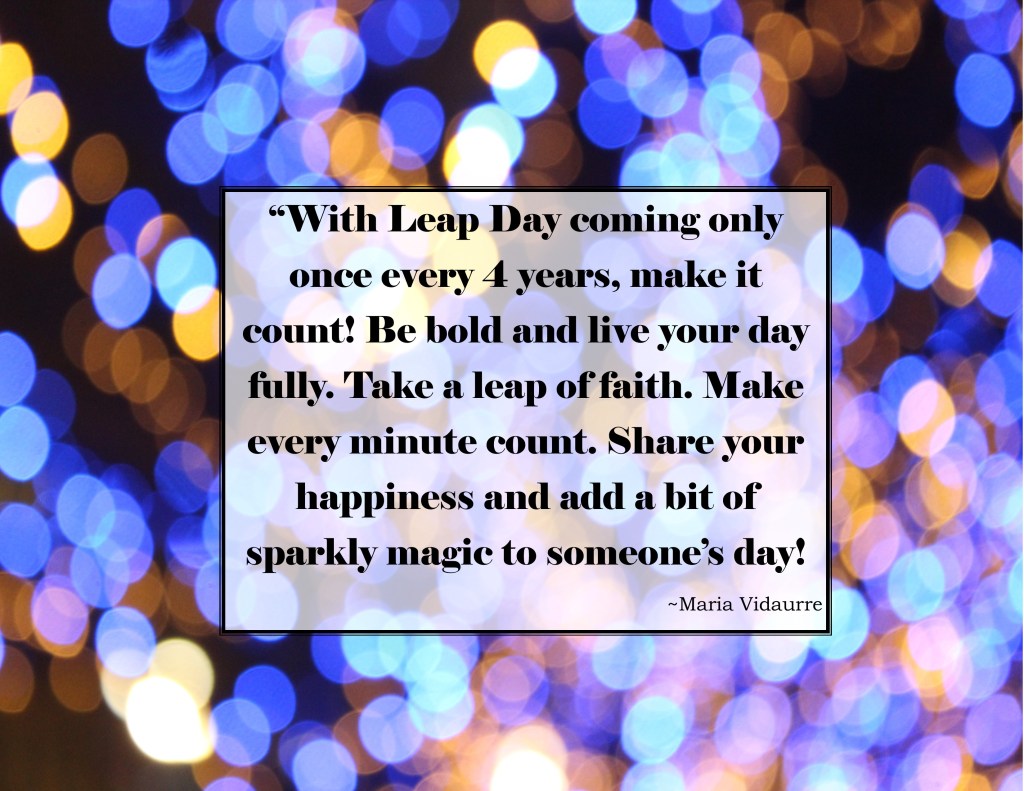
Today is a very special and unique day, Leap Day!! This a day that doesn’t exist legally, so is it real? What do you do if you’re born on Leap Day, only celebrate your birthday every 4th year? I thought you’d enjoy a little history and some fun facts about this magical day:

  • People born on Leap Day are called Leaplings or Leapers and get to choose when to celebrate their birthday which is normally February 28th or March 1st for non leap years. About 5 million people around the world were born on Leap Day and the chances of this happening are 1 in 1,461.
  • Traditionally men propose to women but on Leap Day, also known as Bachelor’s Day it is acceptable for women to propose to men. It apparently started when St Brigid made a deal with St Patrick that allowed women to have the right to propose marriage to men.
  • Early calendars followed the lunar cycle. However, because it takes around 29.5 days for the moon to orbit the earth resulting in a 354 day year, this causes an 11 day gap between the calendar and seasons.
  • The Egyptians helped Julius Caesar introduce Leap Day in 46 BC by using the solar cycle. It takes around 365.242189 days for the earth to circle around the sun 1 time and this cycle more closely matched the seasons. It isn’t exact but is close enough.
  • The twin cities of Anthony, Texas and Anthony, New Mexico are the self-proclaimed Leap Year Capitals of the World.
  • Some famous people born on Leap Day include: Dinah Shore, Tony Robbins, Mark Foster, Jimmy Dorsey, Peter Scanavino, Cullin Jones, Alex Rocco, Jack Lousma and many more!
  • Some cultures say that a leap year is bad luck. The Greeks believe getting married in a leap year will only end in divorce. The Scottish believe being born on leap day will lead to a life of bad luck. Personally, I like to think of it as a magical good luck day.

Hope you enjoyed this post. Thanks for stopping by!!

Share the Happy💖
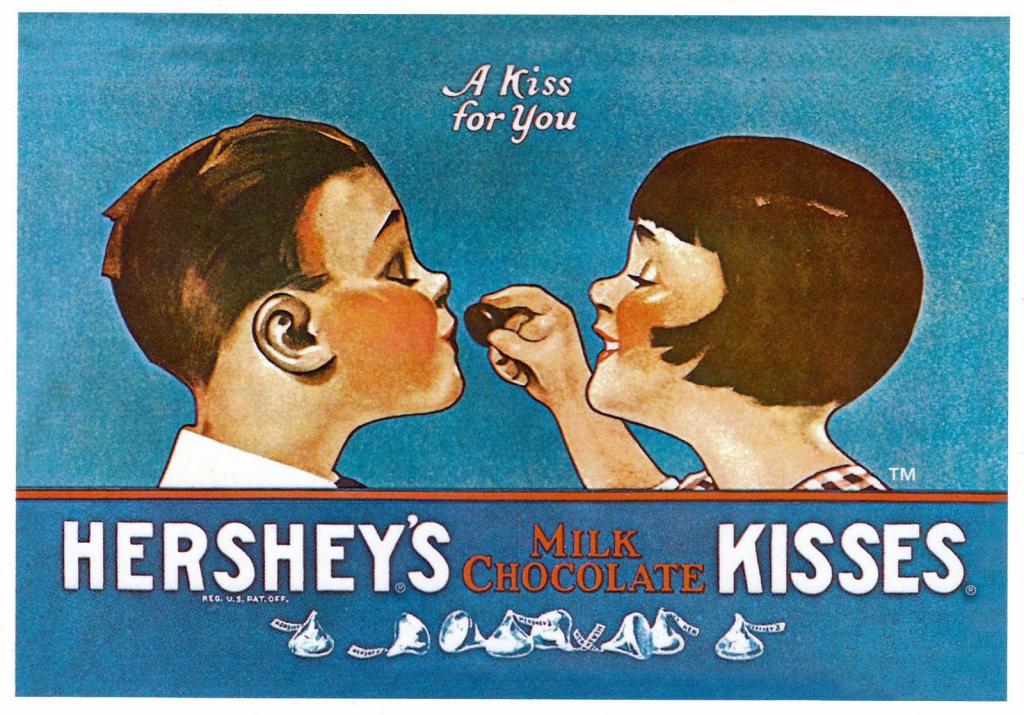
Thoughtful Thursday Hershey’s Kisses

Growing up as a kid you knew it was going to be a good day when you were given a special treat of Hershey’s Kisses. I mean who didn’t love those small morsels of sheer deliciousness? I still love them to this day! Not necessarily for the chocolate but the wonderful memories it brings back every time I eat one.

Milton Hershey opened the Hershey factory in Derry, Pennsylvania in 1905. The world famous Hershey’s Kisses were made from 1907-1942. Due to the rationing of aluminum during World War II, Hershey’s stopped manufacturing them for 5 years. In 1947 Hershey’s started producing the Kisses once more and haven’t stopped since.

No one is quite sure how the name came about as there are many versions. One version is the machine that produces the Kisses makes a kiss sound. Another version is that at the time a small piece of confectionary was referred to as a kiss. Regardless of how they were named, their popularity grew and in 1921 Milton Hershey registered a trademark for the name “HERSHEY’S KISSES.”

Each little Kiss was hand wrapped in foil from 1907 – 1921. From that point on they were wrapped by machine that added the printed paper plume to the foil. Milton Hershey wanted to distinguish his chocolate from competitors so the first plumes were printed with the name Hershey’s only. It wasn’t until the 1920’s that Kisses was added to the plumes. However around 1994 Hershey’s was dropped from the plume and now it only reads Kisses. The plume became an iconic brand flag waving over the top of each little kiss.

Hershey’s Kisses today can be found in variety of flavors and different foil colors depending on the holiday. They’re also great for baking and in many dessert recipes. My personal favorite is the original milk chocolate kiss in the silver foil. What’s your favorite?

Hope you enjoyed this history snippet, thanks for stopping by!!

Share the Happy💖

Thoughtful Thursday Claude Monet

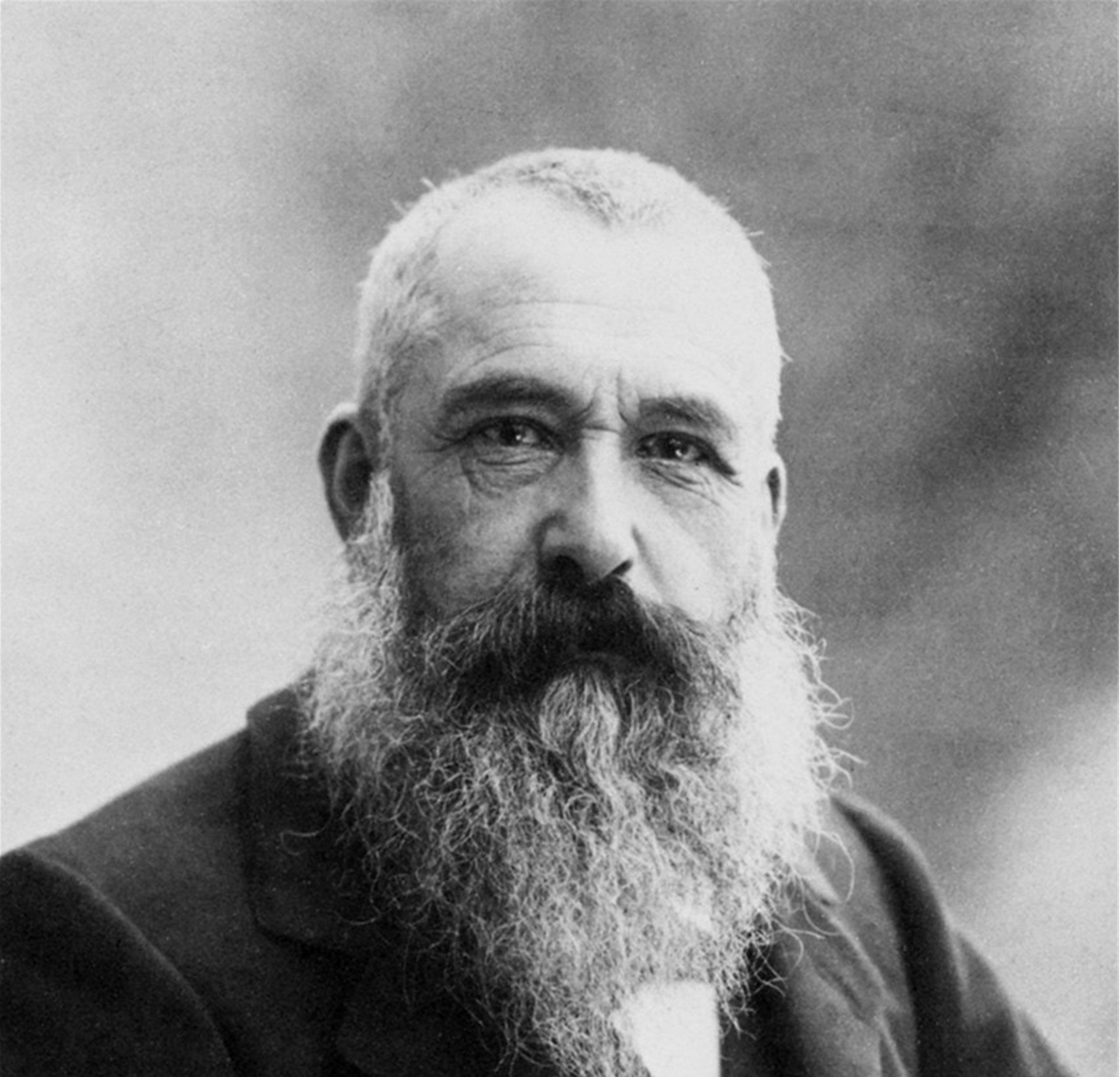
Claude Monet was a famous impressionist artist who was born in Paris, France November 14, 1840. As a young child he loved to draw and would make money creating drawings of people that were quite good. His mother supported his interests in becoming an artist but his father felt he would do better to stay in the family business as a grocer. Luckily for all of us, he chose to pursue his passion in art.

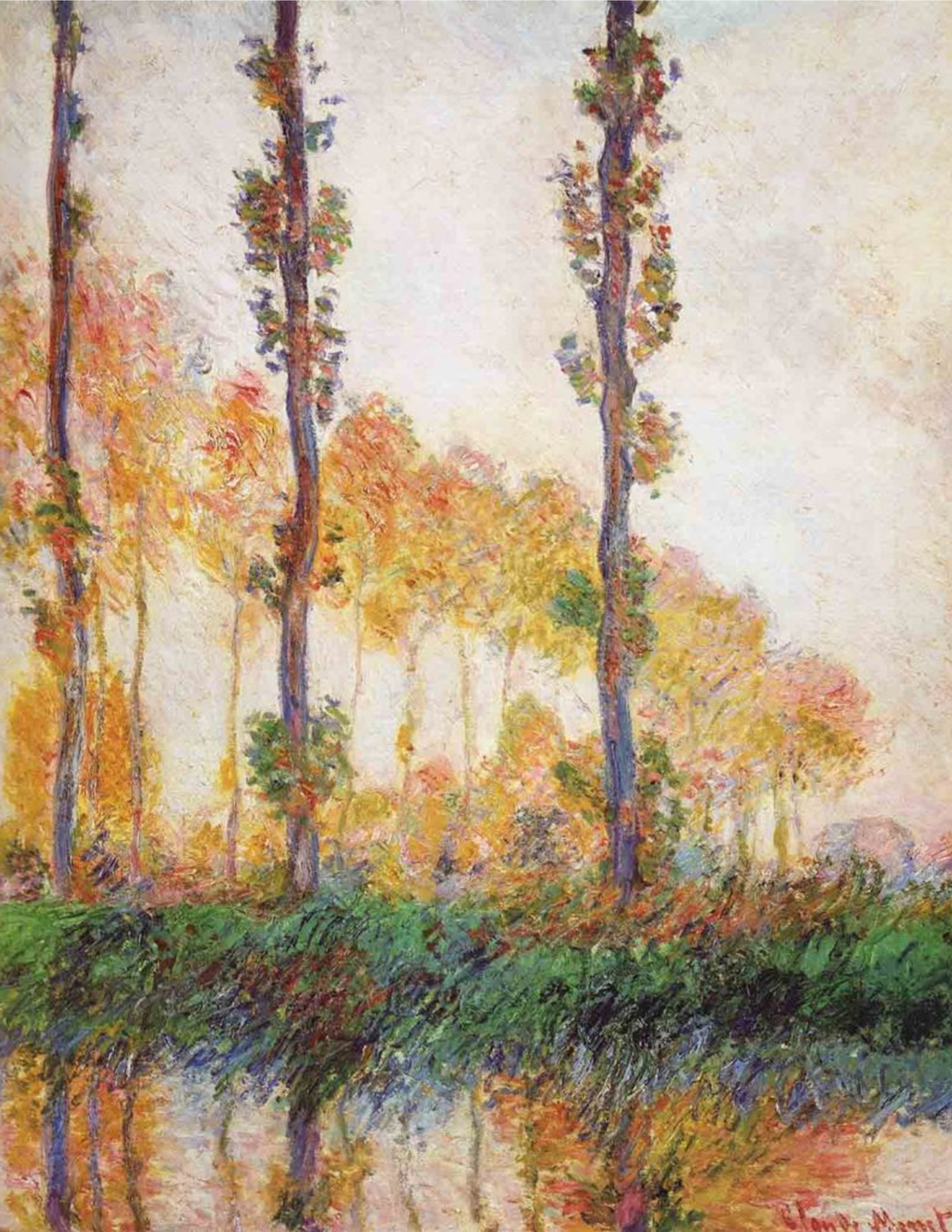
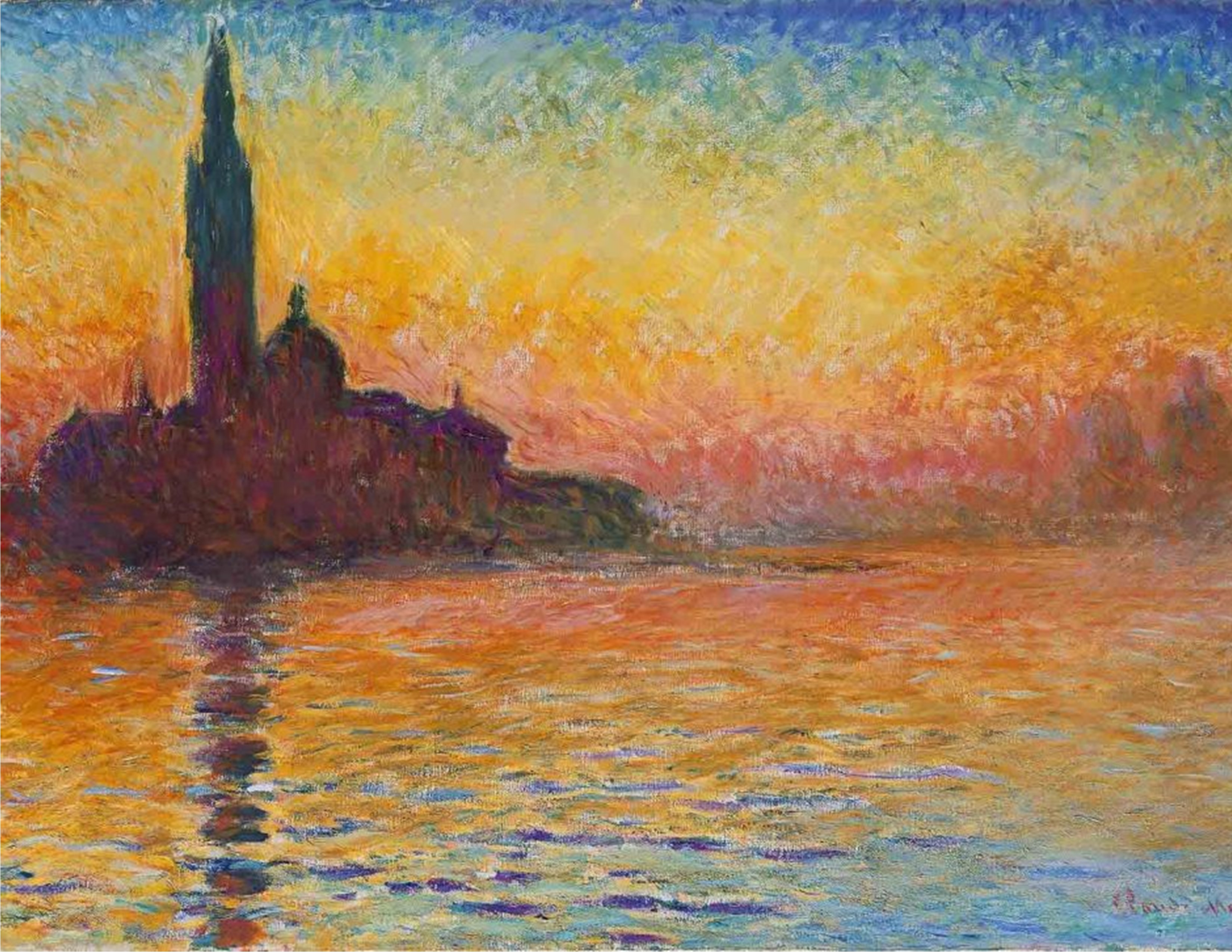
During the late 19th and early 20th centuries (1867 – 1886), Impressionism art was born in France. It was a major movement of that time. Impressionism is a style of painting that attempts to portray visual reality with transient effects of color and light.

Claude Monet became known as one of the principal painters of this style. It is his work that inspired me to try impressionism painting which I love. It was much harder than I had anticipated and as a result gave me a greater respect for the amount of work that goes into creating one of these paintings.

Claude Monet, Frederic Bazille, Pierre Auguste Renoir, Alfred Sisley along with other well known artists would work together and influence each other’s art especially during exhibits. But it was Edouard Manet, an established artist who greatly influenced Monet’s work in the 1860’s.

The painting above titled “Woman with a Parasol” was painted by Monet in 1875. It’s an oil painting on a 39.4 x 31.9 inch canvas (100 x 81 cm). This painting belongs to a series that Monet created during the summers of 1875 and 1876. His wife Camille and his son, Jean served as his models for this painting which were set in the gardens surrounding his 2nd home in Argenteuil, located in the suburbs of Paris.

At the age of 85, Claude Monet passed away on December 5, 1926 in Giverny, France. He left us a legacy of stunning art that is admired and inspires us today.

Hope you enjoyed this art history post, thanks for stopping by!!

Share the Happy💖
“Everyone discusses my art and pretends to understand, as if it were necessary to understand, when it is simply necessary to love.” ~Claude Monet

Thoughtful Thursday – Statue of Liberty

Photo by Marianna on Pexels.com

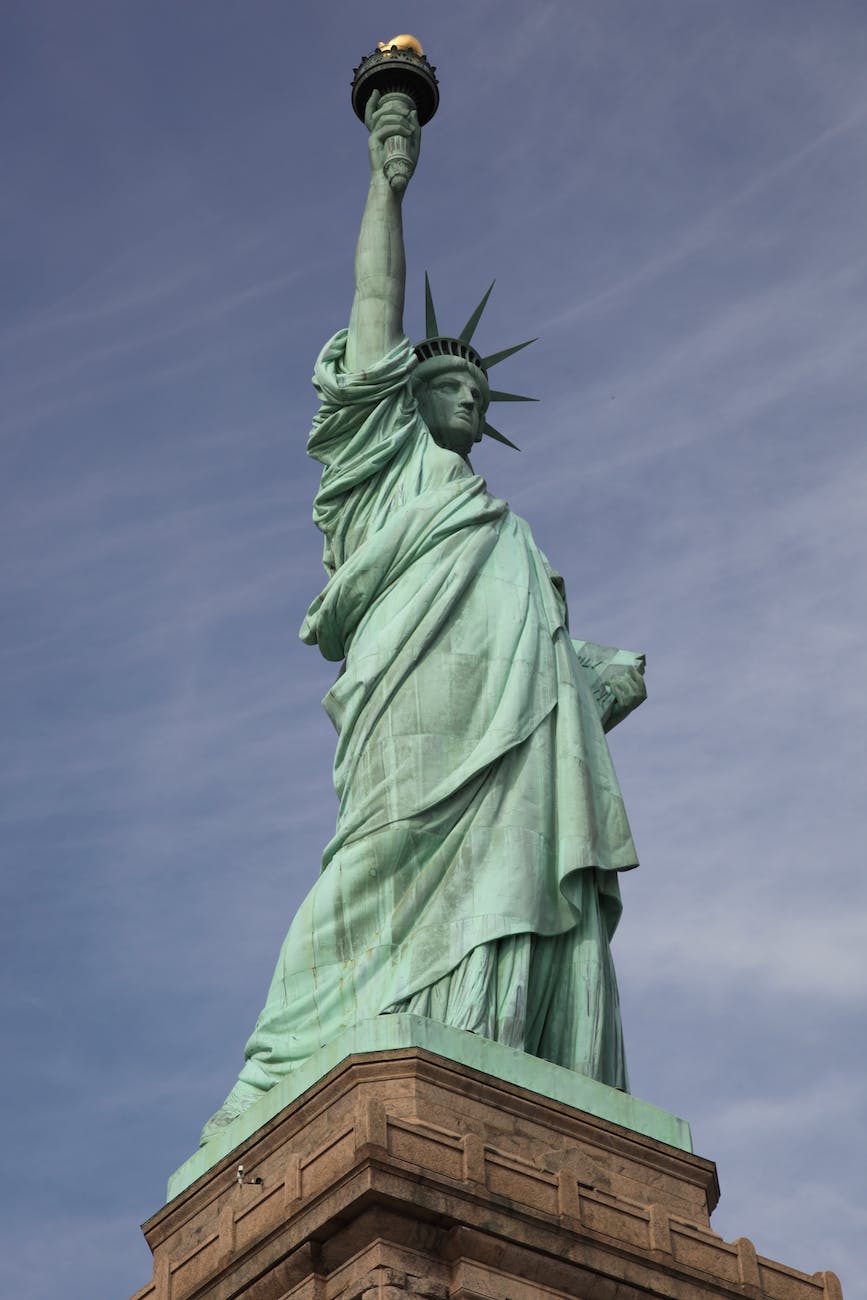
July 4, 1884, France gifted to the United States the Statue of Liberty for the 100th birthday of our country. What a monumental and inspirational gift she was and still is. She stands for many things but each part is represented by a different element in her design.

Lady Liberty’s torch is a symbol of enlightenment to show us the path to freedom, liberty and justice. The crown which is a halo with rays like the sun are another way for her to enlighten the world. The tablet Lady Liberty holds in her left hand is inscribed with Roman numerals which read July 4, 1776, and represent a book of law. The broken chains and shackle at her feet show she is free from servitude and oppression especially with the recent abolition of slavery in the country at that time.

Lady Liberty stands 305 feet tall, including the pedestal in New York Harbor. From 1892 to 1954 she has greeted more than 12 million immigrants and travelers that entered the United States through the Ellis Island Gateway. She is a inspiring symbol to all of us.

I hope you enjoyed this post today. Wishing you a Happy and Safe 4th of July!

Thanks for stopping by!

Share the Happy💖

Thoughtful Thursday History of the Polaroid Camera

Photo by Lisa Fotios on Pexels.com

Today pretty much every cell phone has a built in camera to snap a quick picture, freezing that special moment in time to cherish forever. I remember as a kid the long process of taking pictures, dropping the film off at the store and then having to wait that long, excruciating week to see how they turned out.

Then I remember the day dad brought home a Polaroid camera. It was the coolest thing ever! You could take a picture and the photo was ready in minutes, right in your hand. No long wait to get your photos developed, you knew instantly if you took a good shot. It was amazing!

The Polaroid camera was invented by Edwin H Land, an American scientist. The story goes while on vacation in 1944, Edwin had taken a picture of his 3 year old daughter. She asked him why she couldn’t see the picture he had just taken of her with his camera. So this amazing inventor came up with the camera design, film and chemistry in a single day! It did however, take three years before he was able to present his instant camera to the public for the first time.

In 1948, the Polaroid Land Model 95 camera (shown below) made it’s way to the American consumer. It was a monumental breakthrough in the history of photography. The original camera combined two rolls of film, a negative and positive plus some chemicals to create the images. Polaroid only manufactured 60 of these cameras at first and they sold out in a single day! The company completely underestimated the consumer’s demand for this new invention.

Polaroid Instant Cameras are still being made today and have improved a lot from the original 1948 version. There are 3 models including a smaller “Go Camera” which is compact and perfect for traveling.

I love photography and use my digital camera all the time but there’s something nostalgic about the Polaroid Instant Camera. So I think this year, I’ll have to put one of those on my wish list 😊

Hope you enjoyed this snippet of photography history today. Thanks for stopping by!!!

Share the Happy 💖

“Photography is the beauty of life captured.” ~Tara Chisolm

Photo by Dagmara Dombrovska on Pexels.com

Thoughtful Thursday Jack-O-Lanterns

Photo by Matheus Bertelli on Pexels.com

I always wonder how things got started and who started them. With Halloween approaching in just a few days I thought it would be fun to learn about jack-o-lanterns.

The term jack-o-lantern started in Britain in the 17th century. At the time it was common for the British to call a person Jack when they didn’t know his name. So now we know where the “Jack” part of the term came from but what about the o-latern?

The o-lantern term was also commonly used in the 17th century to refer to a man carrying a lantern or a night watchman. And since they may not have known his name the term jack-o-lantern was born. But how did we go from the term jack-o-lantern to carving a pumpkin for Halloween?

Well there are quite a few theories on that. One is it was a Celtic pagan practice to carve out turnips or some other type of root vegetable and then illuminate it to ward off evil spirits. The custom was then carried on by Christians during the feast of All Hallows Eve.

Another more creepy theory is centered around an Irish folklore. There are several versions of this folklore but they all have certain common elements like a man named Jack, the devil and an illuminated turnip with which Jack’s soul aimlessly wanders the earth.

But here in the states during the 19th century, young kids who liked pranks would carve a grotesque face out of a readily available pumpkin to scare unwary people. Eventually this prank became known as jack-o-lantern. Today this has became a widely used and artistic tradition by many for Halloween.

Which is your favorite theory?

Hope you enjoyed this little history snippet. Thanks for stopping by!!!

Share the Happy 💖