Thoughtful Thursday Easy Homegrown Sprouts

Last week I talked about the Benefits of Growing your own Sprouts and today I’m excited to guide you through the simple process of growing them indoors. You’ll be amazed at how effortless it is! All you need are a few basic supplies all of which are available on Amazon or possibly in your local health food or grocery stores. I’ve included some links in the supply list below but there are many options.

Supplies:

Instructions:

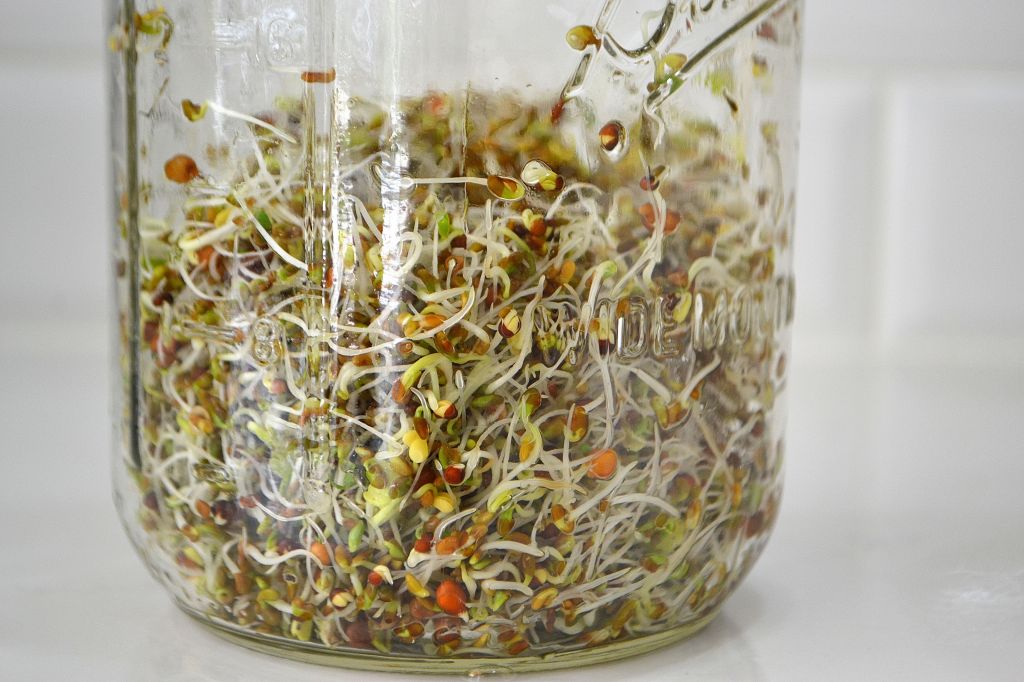
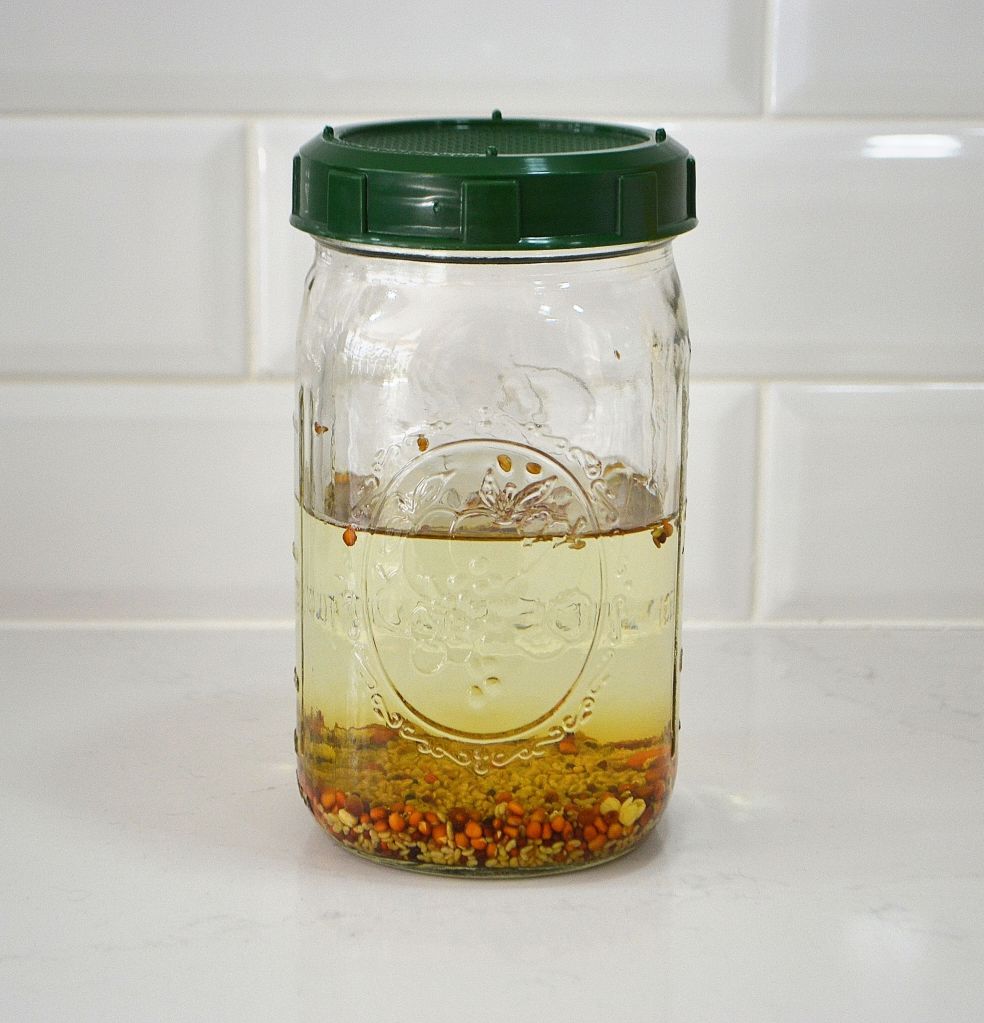
  1. Fill your mason jar with 2 cups of water and add 1-1.5 tablespoons of seeds. Gently mix the seeds in the water (sometimes they clump together). Place the sprouting lid on and let them soak overnight for 8-12 hours. Follow the recommendation on the seed packet.
  2. Rinse the seeds 2-3 times until the water is mostly clear.
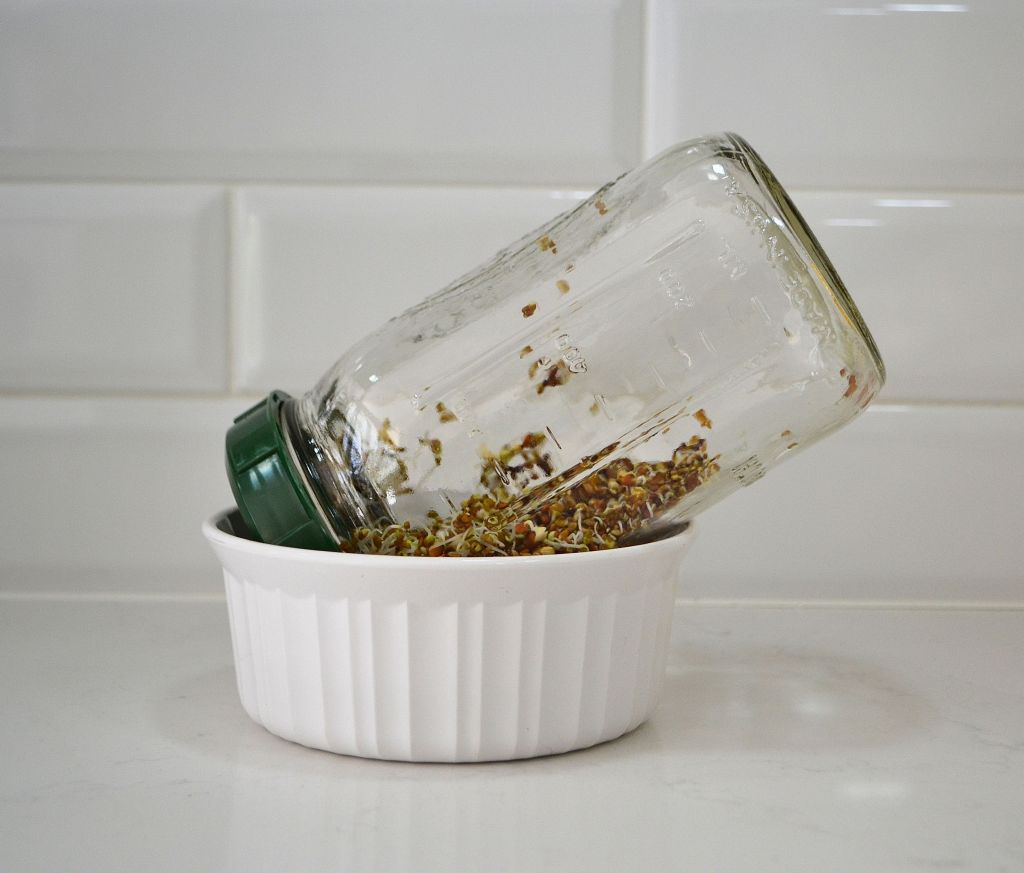
  3. Invert the jar and let it slant slightly inside a bowl allowing the remaining water to drain from the seeds (see pictures below).
  4. Rinse the seeds 2-3 times per day, and put them back into the bowl inverted. Florida is very humid so I only rinse 2 times per day. If you use too much water, you may grow mold so adjust this based on your environment.
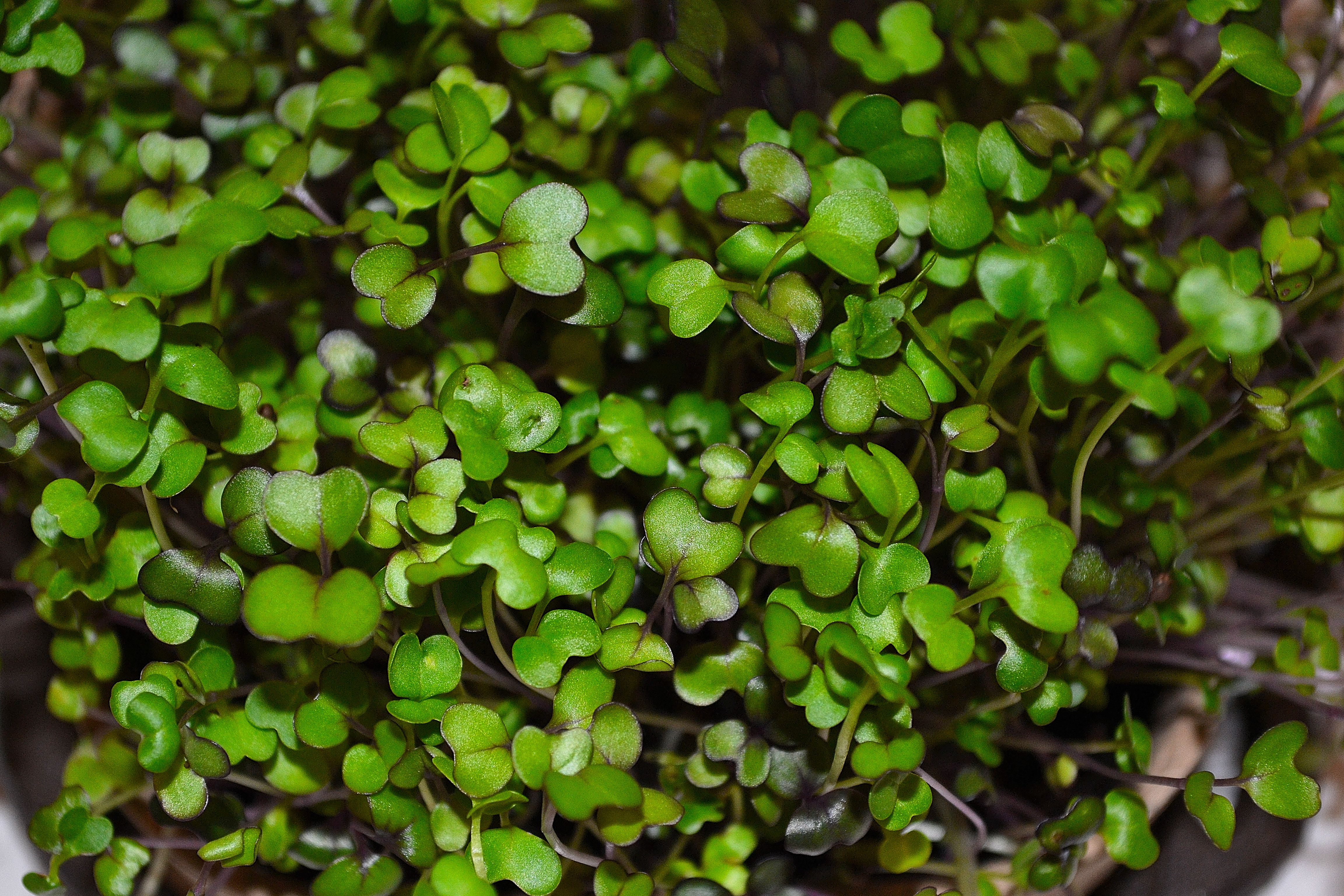
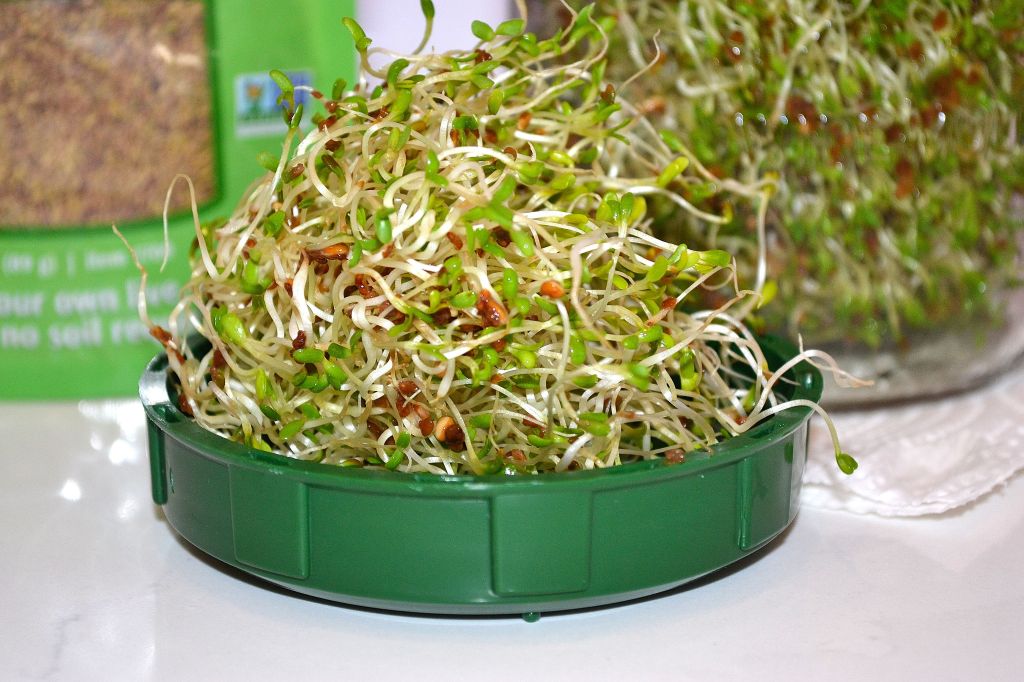
  5. Depending on the seeds you have it will take about 4-5 days to get sprouts. At that point they may be yellow so place them on a sunny windowsill to help turn them green.
  6. Give them a final rinse and remove any of the seed hulls. Put the sprouts back into the jar and store in the fridge. Now they’re ready for you to enjoy!

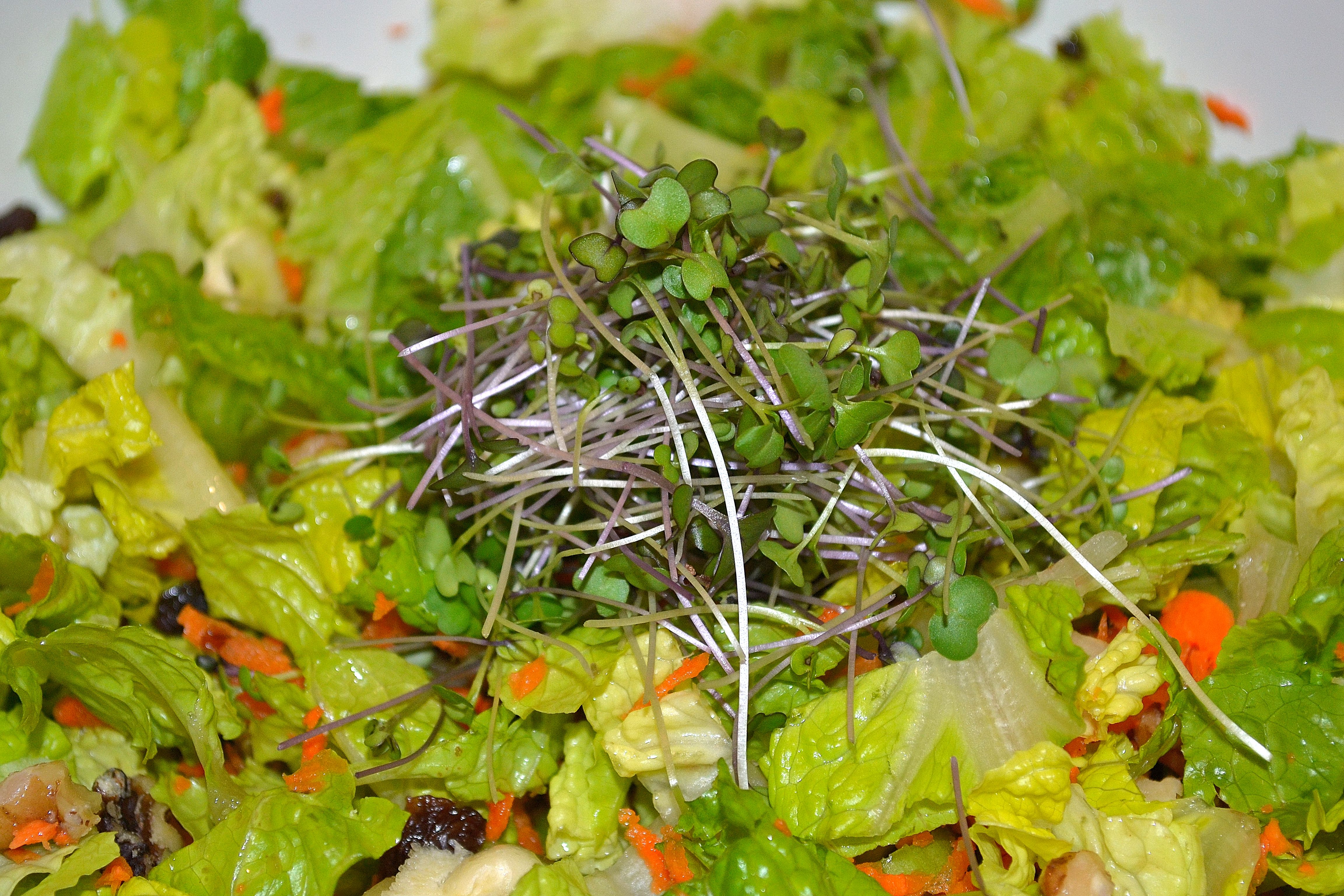
Through my experimentation, I’ve observed that alfalfa tends to sprout faster than broccoli. However, in the photos you see here, I’ve opted for a salad mix variety, which not only sprouts delightfully but also boasts a delicious blend of organic radish, broccoli, and alfalfa. These sprouts aren’t just nutritious; they’re versatile too! I enjoy incorporating them into salads, blending them into smoothies, and using them as a flavorful garnish on a variety of vegan dishes. They truly elevate any meal!

Growing your own sprouts at home is not only easy and rewarding but also adds a fresh and nutritious touch to your culinary adventures. Whether you’re a salad enthusiast, or a smoothie aficionado these vibrant sprouts are sure to delight your taste buds and nourish your body. So why wait? Start sprouting today and embark on a journey of delicious and wholesome eating!

Thanks for stopping by!

Share the Happy đź’–

“Good nutrition creates health in all areas of our existence. All parts are interconnected.” ~T. Collin Campbell
Thoughtful Thursday Benefits of Sprouts

Growing your own sprouts isn’t just about adding a fresh touch to your salads or sandwiches – it’s also a gateway to a treasure trove of health benefits. Here’s why cultivating these tiny powerhouses at home might just be one of the best things you can do for your well-being.

  1. Nutrient Powerhouse: Sprouts are bursting with essential nutrients, including vitamins, minerals, enzymes, and antioxidants. As they germinate, their nutritional content skyrockets, making them a concentrated source of goodness for your body.
  2. Digestive Health: Sprouts are packed with dietary fiber, which is crucial for digestive health. Fiber promotes regular bowel movements, helps prevent constipation, and supports a healthy gut microbiome, which is linked to overall well-being.
  3. Boosted Immunity: Rich in vitamins C and A, sprouts can give your immune system a much-needed boost. These vitamins are known for their immune-boosting properties, helping your body fend off infections and illnesses.
  4. Antioxidant Support: Sprouts contain an abundance of antioxidants, such as flavonoids and phenolic compounds, which help combat oxidative stress and inflammation in the body. By neutralizing free radicals, antioxidants may reduce the risk of chronic diseases and support longevity.
  5. Weight Management: With their low-calorie content and high nutritional value, sprouts can be a valuable addition to a weight management plan. They provide satiety without adding excess calories, making them a smart choice for those looking to maintain a healthy weight.
  6. Heart Health: Sprouts are a good source of heart-healthy nutrients like potassium and magnesium, which help regulate blood pressure and support cardiovascular health. Additionally, their fiber content can help lower cholesterol levels, reducing the risk of heart disease.
  7. Convenience and Cost-Effectiveness: Growing your own sprouts at home is not only easy and fun but also cost-effective. With just a few simple tools and minimal space, you can enjoy a constant supply of fresh, nutritious sprouts without breaking the bank.

Growing your own sprouts is a simple yet powerful way to enhance your health and well-being. Whether you’re looking to boost your immunity, support digestive health, or simply add more nutrient-rich foods to your diet, sprouts are a delicious and versatile option that can be enjoyed in countless ways. So why not start sprouting today and reap the countless benefits for yourself? Your body will thank you!

Stay tuned… next week I’ll show you how easy it is to grow your own sprouts at home. Thanks for stopping by!!!

Share the Happy đź’–

“Your diet is your bank account. Good food choices are a good investment.” ~Bethanny Frankel

Thoughtful Thursday WFPB

Photo by Maarten van den Heuvel on Pexels.com

As most of you know I started eating vegan due to health issues. But in the last several years companies have created many plant based products including cheese which actually tastes pretty good. So I fell into the trap of time constraints and plain old convenience.

My body started to develop aches and pains. It wasn’t anything major but it was also different than before I went vegan. I didn’t pay much mind to it but a month before we went on our holiday vacation I decided to go Whole Foods Plant Based (WFPB).

You may be asking why I did this when I’m already vegan. Here’s the scoop, a soda and bag of potato chips is vegan but is it healthy for you? The obvious answer is no because it’s highly processed, contains lots of sugar, salt and other things you can’t pronounce.

Whole Foods Plant Based (WFPB) is just that. You’re eating fruits and veggies that aren’t processed. So no plant based products made in a manufacturing plant. You buy your produce, prepare it and then eat it – plain and simple just as God intended.

Every morning when I’d wake up I would lay in bed assessing the daily aches and pains. It took about 3 weeks and I woke up one morning assessing the discomfort and to my surprise there was absolutely nothing! I felt perfectly fine. I continued to lay there because there had to be something. But nope, there was nothing. I was amazed that eating processed foods caused so much inflammation resulting in pain that I felt throughout my body especially my joints. Plus I dropped weight, my energy went through the roof and I felt like I turned the clock back 30 years!

What I learned from this is you don’t necessarily need to eat plant based foods but definitely eat whole foods. If you want to feel good, have more energy, lose weight reduce or completely eliminate the processed foods from your diet. You may be surprised at how great you can feel!

Hope this inspires you, thanks for stopping by!!

Share the Happyđź’–

“It’s not about eating healthy to lose weight. It’s about eating healthy to feel good.” ~Demi Lovato

Photo by Oleksandr P on Pexels.com