Thoughtful Thursday Maximize Health Benefits: Focus on Organic Dirty Dozen & Clean Fifteen

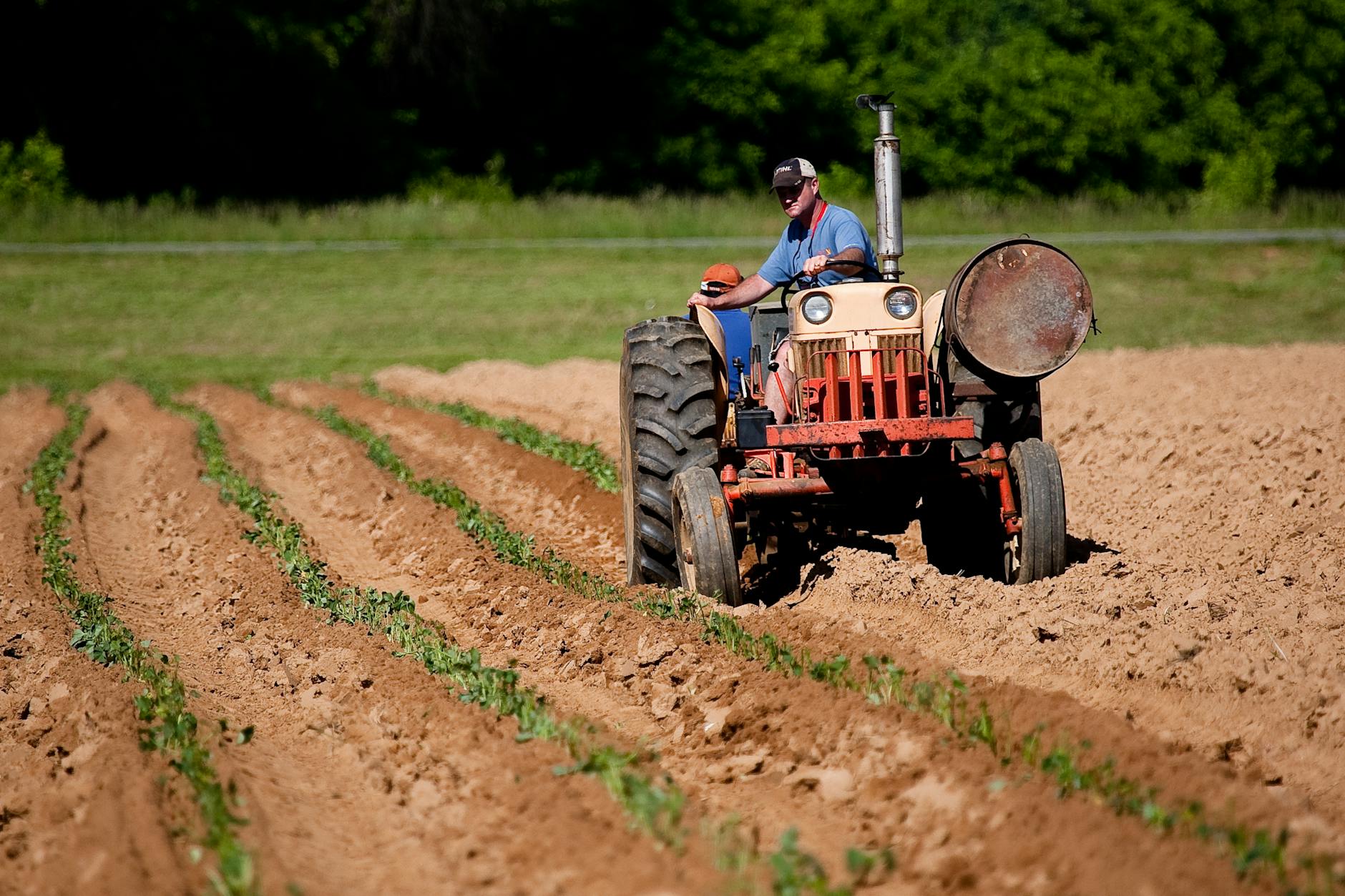
Photo by Mark Stebnicki on Pexels.com

As awareness of health and environmental issues continues to grow, more people are turning to organic produce to reduce their exposure to pesticides and support sustainable farming practices. While buying all organic can be costly, alternatively you can focus on certain fruits and vegetables to maximize the benefits.

The Environmental Working Group (EWG) publishes two primary lists every spring, the “Dirty Dozen” which is safest to buy organic and the “Clean Fifteen” which is safest to buy conventionally.
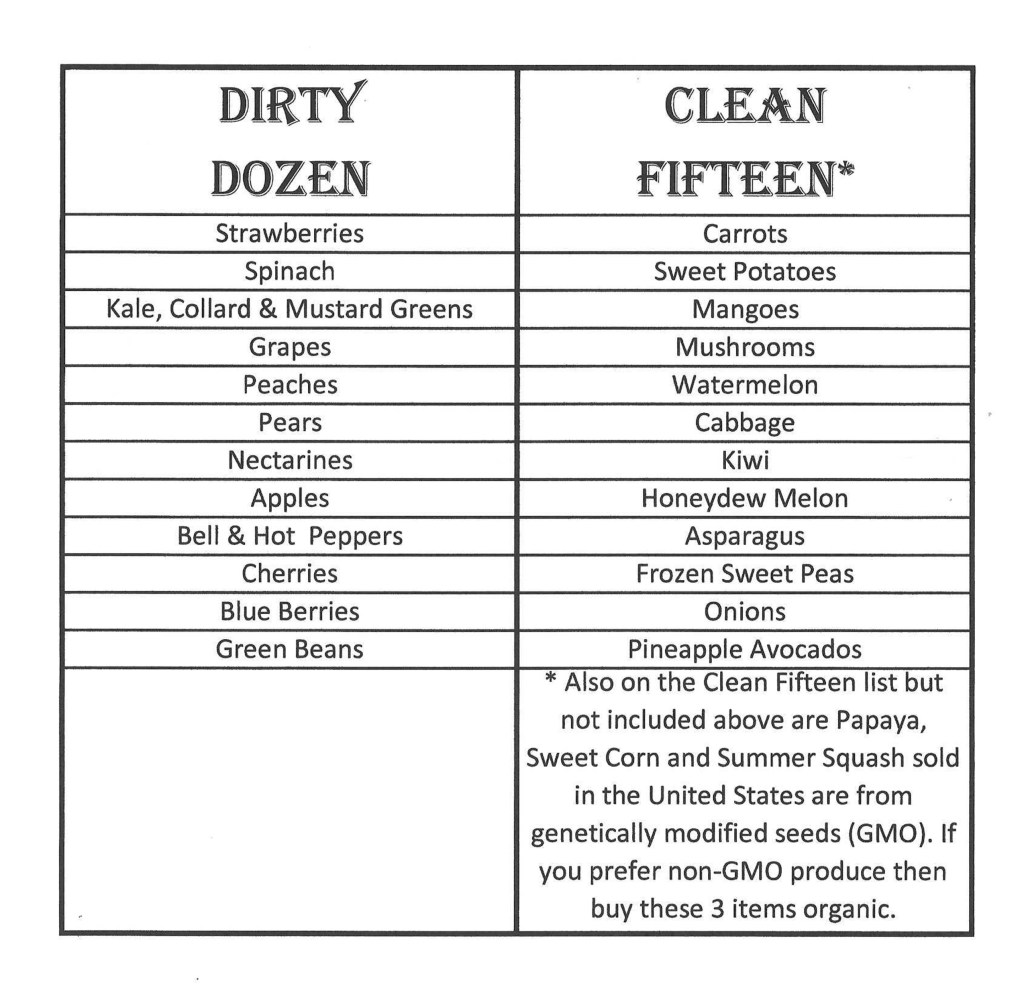
Here are some tips on making shopping for organic produce easier on the wallet:

  1. Shop Seasonally: Organic produce is often cheaper when it’s in season.
  2. Visit Farmers Markets: Local farmers markets can offer fresh, organic produce at competitive prices.
  3. Join a CSA: Community Supported Agriculture (CSA) programs allow you to buy shares of organic produce directly from local farmers.
  4. Grow Your Own: If you have space, growing your own organic fruits and vegetables can be a rewarding and cost-effective option.
  5. Prioritize the Dirty Dozen: Focus your organic purchases on the produce listed in the Environmental Working Group’s (EWG) Dirty Dozen, which highlights fruits and vegetables with the highest pesticide residues.

By prioritizing these key fruits and vegetables, you can significantly reduce your pesticide exposure and enjoy healthier produce. Making informed choices about organic options supports sustainable farming and contributes to a healthier planet.

Would love to hear from you! Share your experiences and tips on buying organic produce in the comments. For example: How do you prioritize your organic purchases? Do you have favorite markets or creative ways to save on organic options? Let’s foster a community of shared knowledge for healthier, sustainable choices✨

Hope you found this post useful, thanks for stopping by!!

Share the Happy💖

Thoughtful Thursday Organic Produce vs. GMO: What’s the Difference?

Photo by Clem Onojeghuo on Pexels.com

In recent years, the debate between organic produce and genetically modified organisms (GMOs) has gained considerable attention. Understanding the key differences can help you make informed decisions about what you eat.

Organic Produce

Organic produce is grown without synthetic chemicals, using natural methods like composting, crop rotation, and biological pest control. These practices promote environmental sustainability and protect biodiversity. Foods labeled “organic” are often seen as healthier and more eco-friendly.

GMOs

Genetically modified organisms (GMOs) are plants or animals with altered DNA to introduce traits like pest resistance or drought tolerance. Proponents argue that GMOs can lead to higher crop yields, reduced pesticide use, and enhanced nutritional content.

Health and Safety

The safety of GMOs is debated, but many organizations like WHO and AMA say they are safe to eat. Some consumers, however, worry about long-term health effects. Organic produce, free from synthetic chemicals and GMOs, can be reassuring for those avoiding potential risks of conventional farming methods.

In regards to health effects, this is my personal experience: I love tomatoes, and had one with dinner. Around 3 am, I woke up in extreme pain, unable to close my hands into fists or move my legs, arms, and even my neck. The next day, I did research and found it was likely either a sudden onset of Rheumatoid Arthritis or an adverse reaction to GMOs.

The easiest option was to rule out was the GMO tomato so I decided to eat another tomato. I clearly didn’t think that through because the same exact thing happened. The pain was excruciating and took several days to subside. However, for me this confirmed the painful inflammation I was experiencing wasn’t arthritis, but instead, my body’s response to the GMO tomato I had eaten.

Environmental Impact

Organic farming avoids synthetic chemicals and promotes soil health, enhancing biodiversity and reducing pollution. However, it typically requires more land and labor. GMOs can reduce the need for chemical inputs and increase crop resilience, but there are concerns about their impact on non-target species and potential gene flow to wild relatives.

Cost and Availability

Organic produce is often more expensive than conventional produce due to the labor-intensive farming practices and lower yields. GMOs, on the other hand, can be produced more efficiently and are typically more affordable. The availability of organic produce can also be limited depending on your location.

While not everyone will experience the severe reaction I did to GMOs, organic produce is generally considered better for your health and the environment, provided your budget allows. Stay tuned for next week’s discussion on which produce items are consistently safer to buy organic, and which ones are acceptable in their conventional form.

Hope you found this post useful, thanks for stopping by!!

Share the Happy💖
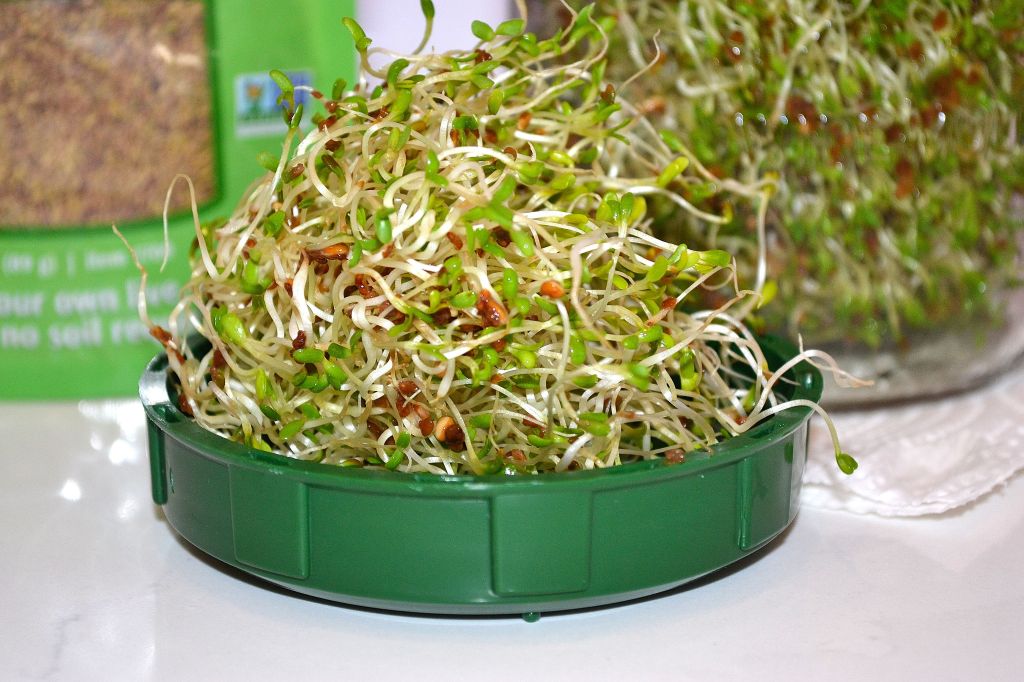
Thoughtful Thursday Easy Homegrown Sprouts

Last week I talked about the Benefits of Growing your own Sprouts and today I’m excited to guide you through the simple process of growing them indoors. You’ll be amazed at how effortless it is! All you need are a few basic supplies all of which are available on Amazon or possibly in your local health food or grocery stores. I’ve included some links in the supply list below but there are many options.

Supplies:

Instructions:

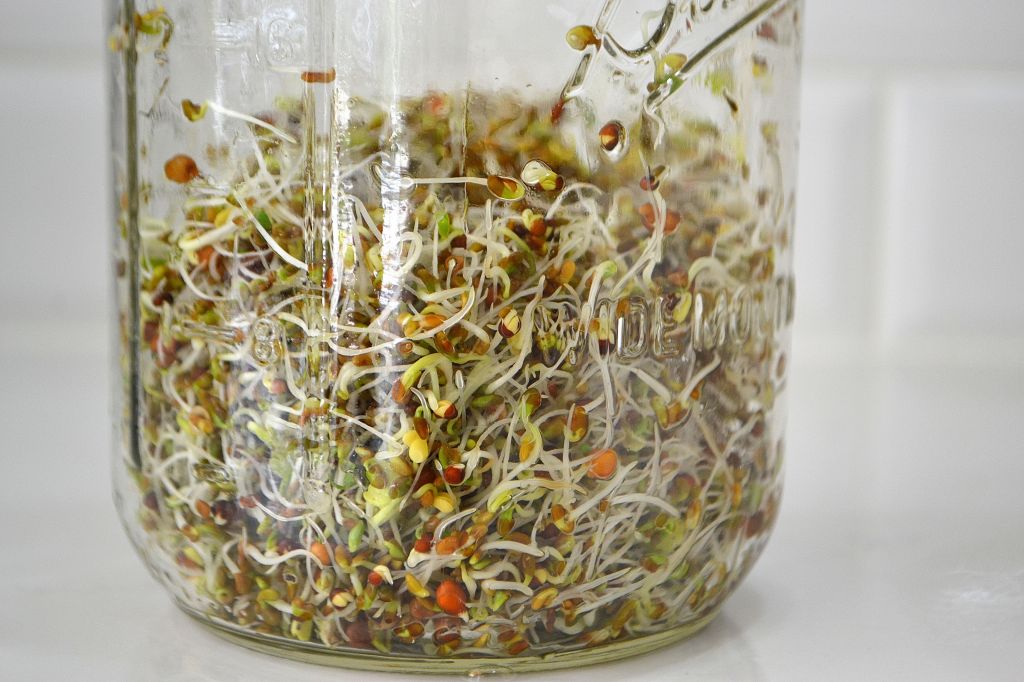
  1. Fill your mason jar with 2 cups of water and add 1-1.5 tablespoons of seeds. Gently mix the seeds in the water (sometimes they clump together). Place the sprouting lid on and let them soak overnight for 8-12 hours. Follow the recommendation on the seed packet.
  2. Rinse the seeds 2-3 times until the water is mostly clear.
  3. Invert the jar and let it slant slightly inside a bowl allowing the remaining water to drain from the seeds (see pictures below).
  4. Rinse the seeds 2-3 times per day, and put them back into the bowl inverted. Florida is very humid so I only rinse 2 times per day. If you use too much water, you may grow mold so adjust this based on your environment.
  5. Depending on the seeds you have it will take about 4-5 days to get sprouts. At that point they may be yellow so place them on a sunny windowsill to help turn them green.
  6. Give them a final rinse and remove any of the seed hulls. Put the sprouts back into the jar and store in the fridge. Now they’re ready for you to enjoy!

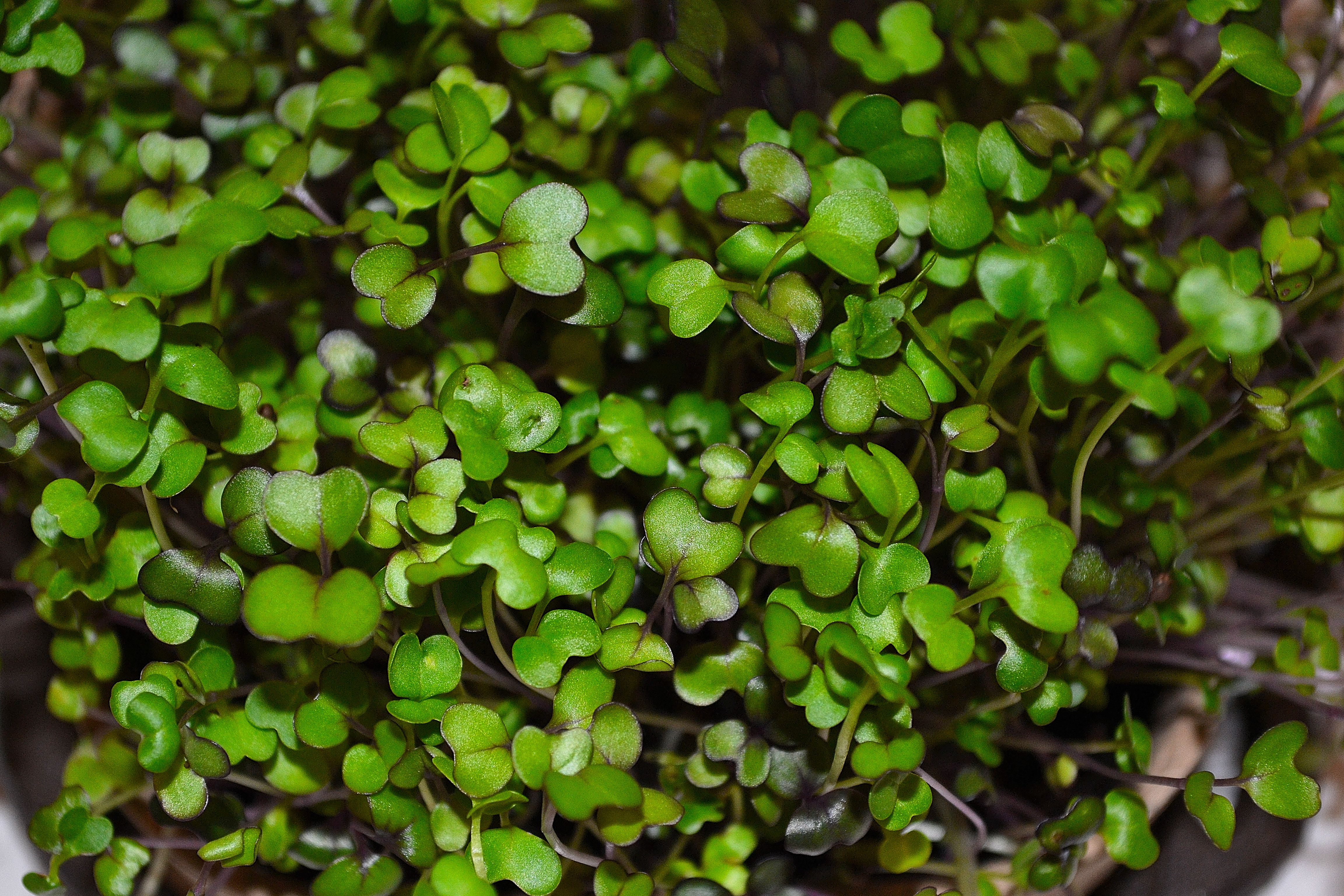
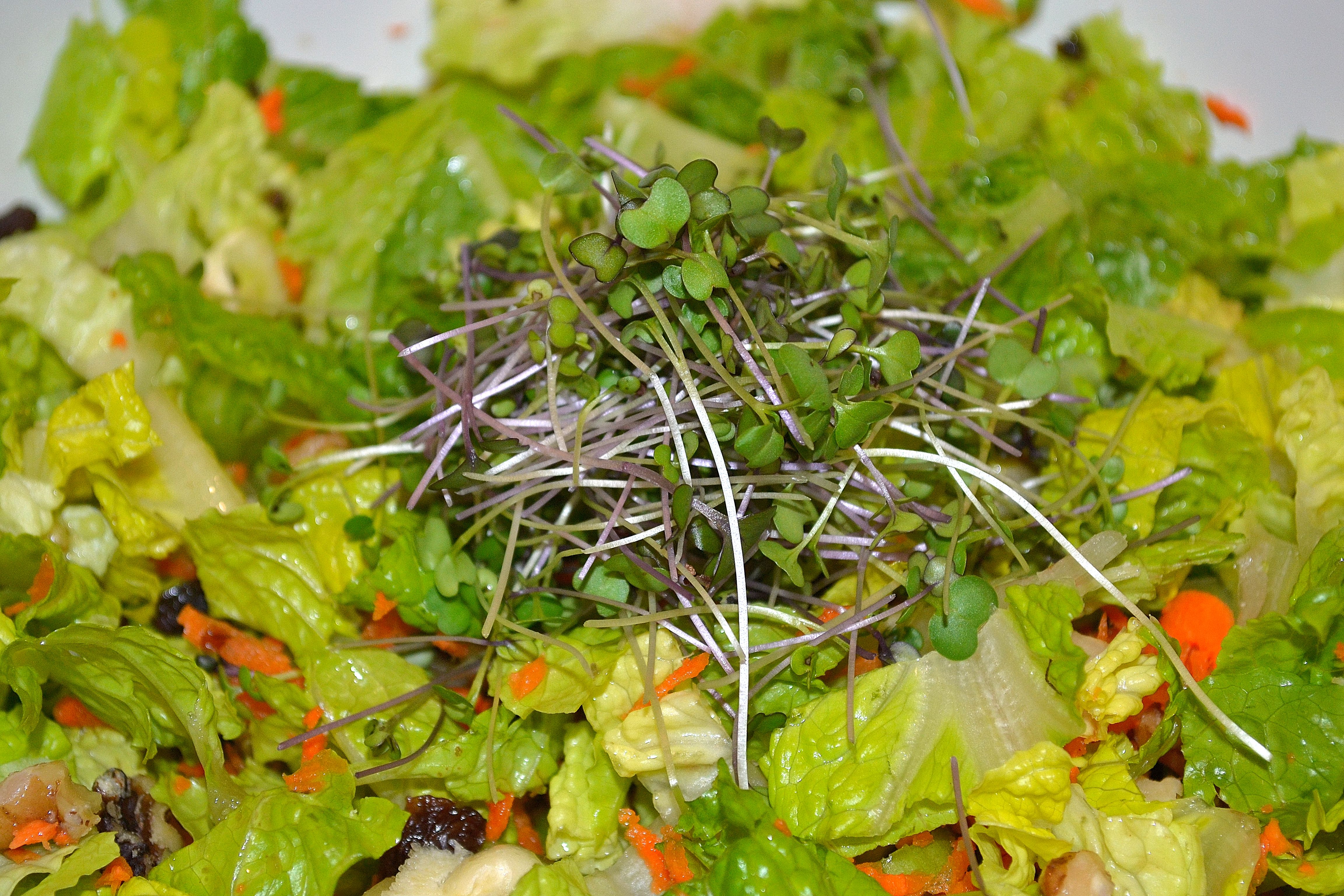
Through my experimentation, I’ve observed that alfalfa tends to sprout faster than broccoli. However, in the photos you see here, I’ve opted for a salad mix variety, which not only sprouts delightfully but also boasts a delicious blend of organic radish, broccoli, and alfalfa. These sprouts aren’t just nutritious; they’re versatile too! I enjoy incorporating them into salads, blending them into smoothies, and using them as a flavorful garnish on a variety of vegan dishes. They truly elevate any meal!

Growing your own sprouts at home is not only easy and rewarding but also adds a fresh and nutritious touch to your culinary adventures. Whether you’re a salad enthusiast, or a smoothie aficionado these vibrant sprouts are sure to delight your taste buds and nourish your body. So why wait? Start sprouting today and embark on a journey of delicious and wholesome eating!

Thanks for stopping by!

Share the Happy 💖

“Good nutrition creates health in all areas of our existence. All parts are interconnected.” ~T. Collin Campbell

Thoughtful Thursday Benefits of Sprouts

Growing your own sprouts isn’t just about adding a fresh touch to your salads or sandwiches – it’s also a gateway to a treasure trove of health benefits. Here’s why cultivating these tiny powerhouses at home might just be one of the best things you can do for your well-being.

  1. Nutrient Powerhouse: Sprouts are bursting with essential nutrients, including vitamins, minerals, enzymes, and antioxidants. As they germinate, their nutritional content skyrockets, making them a concentrated source of goodness for your body.
  2. Digestive Health: Sprouts are packed with dietary fiber, which is crucial for digestive health. Fiber promotes regular bowel movements, helps prevent constipation, and supports a healthy gut microbiome, which is linked to overall well-being.
  3. Boosted Immunity: Rich in vitamins C and A, sprouts can give your immune system a much-needed boost. These vitamins are known for their immune-boosting properties, helping your body fend off infections and illnesses.
  4. Antioxidant Support: Sprouts contain an abundance of antioxidants, such as flavonoids and phenolic compounds, which help combat oxidative stress and inflammation in the body. By neutralizing free radicals, antioxidants may reduce the risk of chronic diseases and support longevity.
  5. Weight Management: With their low-calorie content and high nutritional value, sprouts can be a valuable addition to a weight management plan. They provide satiety without adding excess calories, making them a smart choice for those looking to maintain a healthy weight.
  6. Heart Health: Sprouts are a good source of heart-healthy nutrients like potassium and magnesium, which help regulate blood pressure and support cardiovascular health. Additionally, their fiber content can help lower cholesterol levels, reducing the risk of heart disease.
  7. Convenience and Cost-Effectiveness: Growing your own sprouts at home is not only easy and fun but also cost-effective. With just a few simple tools and minimal space, you can enjoy a constant supply of fresh, nutritious sprouts without breaking the bank.

Growing your own sprouts is a simple yet powerful way to enhance your health and well-being. Whether you’re looking to boost your immunity, support digestive health, or simply add more nutrient-rich foods to your diet, sprouts are a delicious and versatile option that can be enjoyed in countless ways. So why not start sprouting today and reap the countless benefits for yourself? Your body will thank you!

Stay tuned… next week I’ll show you how easy it is to grow your own sprouts at home. Thanks for stopping by!!!

Share the Happy 💖

“Your diet is your bank account. Good food choices are a good investment.” ~Bethanny Frankel