Stay Healthy This Winter: Easy Self-Care Practices

Featured

Photo by Jill Wellington on Pexels.com

Winter brings cozy blankets, hot drinks, and a slower pace—but it can also challenge our energy, mood, and immunity. This season, taking care of yourself is not just a luxury; it’s essential. Here are some simple self-care tips to keep you healthy, happy, and thriving through the colder months.

1. Prioritize Sleep

Shorter days can disrupt your body’s natural rhythm. Aim for consistent sleep, create a relaxing bedtime routine, and let yourself rest without guilt. Your body and mind will thank you.

2. Stay Active

Even a short walk in daylight or a 15-minute indoor workout can boost mood, circulation, and immunity. Movement keeps your energy flowing when the winter blues try to settle in.

3. Nourish Your Body

Seasonal vegetables, warm soups, and hydrating drinks help support immunity. Don’t forget your favorite comfort foods in moderation—they can boost both warmth and happiness!

4. Practice Mindfulness

Winter is perfect for slowing down. Try journaling, meditation, or simply taking a few deep breaths daily. Pausing to check in with yourself can ease stress and improve mental wellness.

5. Connect With Others

Even if it’s cold outside, maintaining social connections keeps loneliness at bay. Virtual catch-ups, phone calls, or cozy gatherings can lift your spirits and remind you that you’re not alone.

6. Light and Nature

Shorter days can affect mood, so soak up natural light whenever possible. A sunny morning walk or bright indoor lighting can help keep your energy and positivity high.

Winter wellness is about balance: nurturing your body, mind, and spirit in small, meaningful ways. Incorporate these habits, and you’ll glide through the season feeling healthier, happier, and more resilient.

Thanks for stopping by—take care of yourself, and don’t forget to share the happy❤️

Photo by Danik Prihodko on Pexels.com

Thoughtful Thursday Benefits of Microgreens

Photo by Mikhail Nilov on Pexels.com

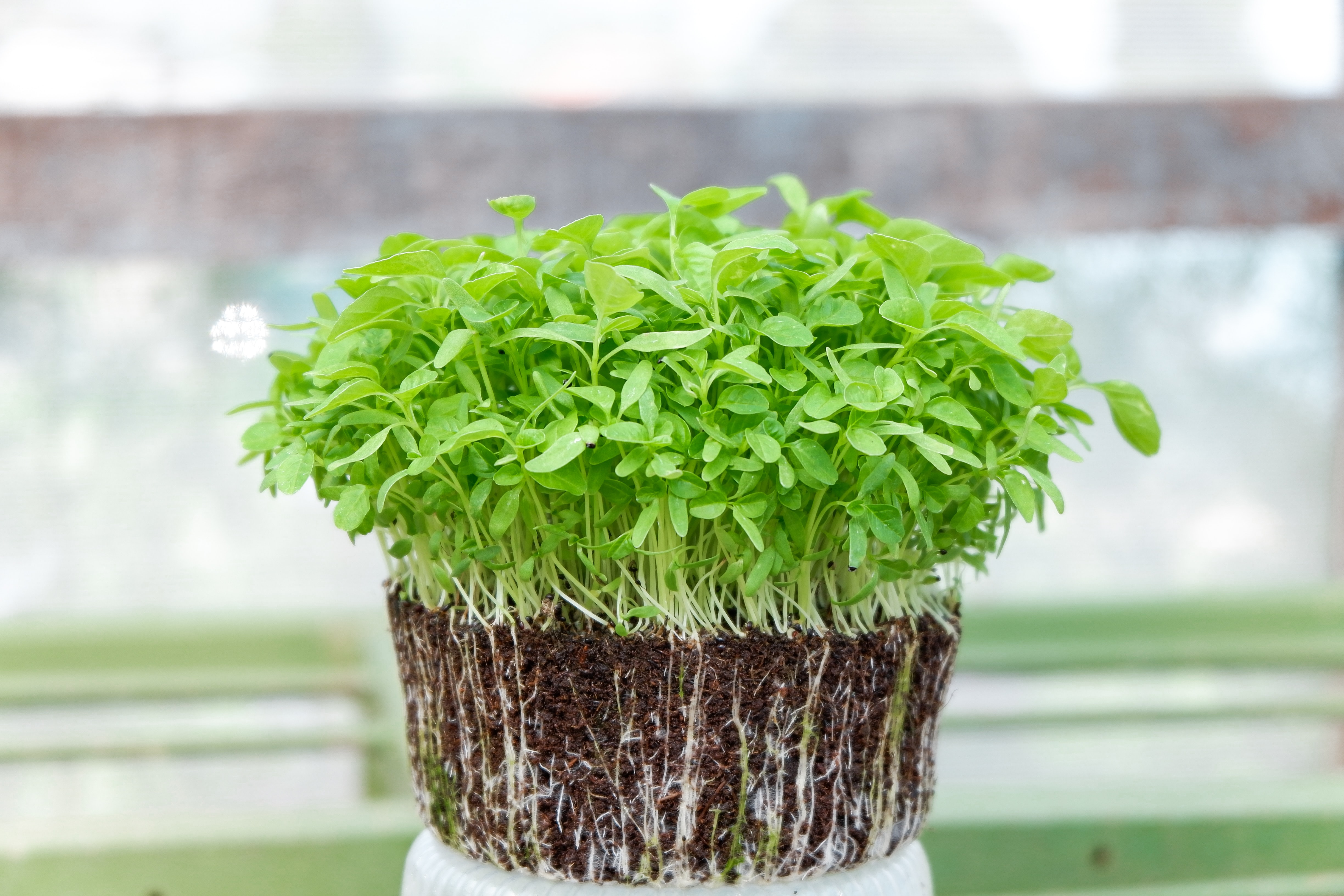
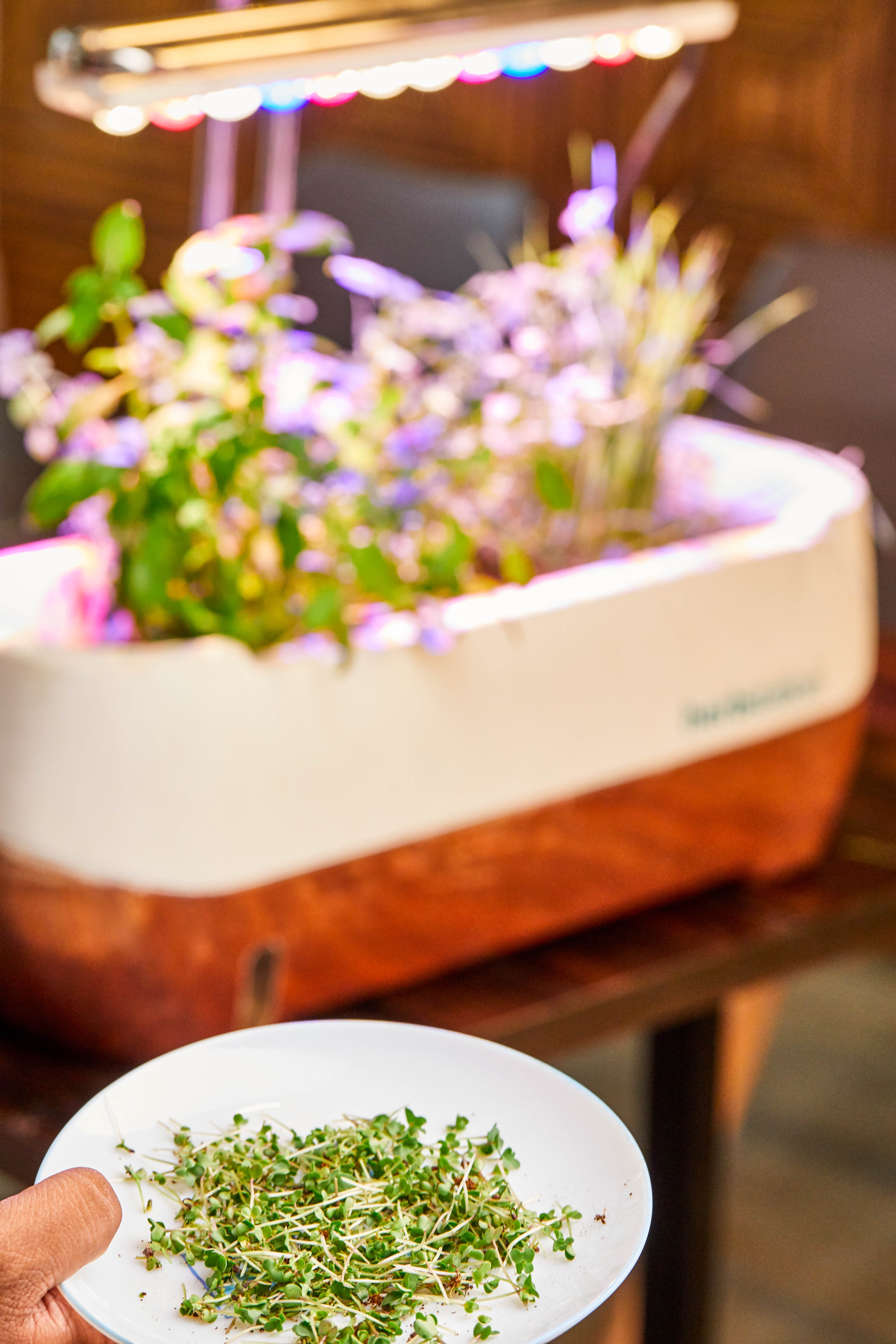
Previously I wrote a post about homegrown Alfalfa Sprouts which are excellent for your health. But microgreens are different from sprouts, the most obvious being they are grown in soil where sprouts are grown in water. Another difference is sprouts are ready to be eaten in 5-7 days while microgreens are ready in about 2 weeks.

When eating sprouts you’re eating the entire plant and microgreen are cut near the soil so you only eat the stem and leaves. Microgreens are a powerhouse of nutrition because they pretty much contain all the nutrients of a mature plant but in a highly concentrated form.

Depending on the type of microgreens you grow, they’ll have higher levels of the following nutrients:

  • Iron
  • Zinc
  • Magnesium
  • Copper
  • Polyphenols
  • Antioxidants
  • Vitamin C
  • Calcium
  • Vitamin A
  • Folate
  • Protein
  • Fiber 
  • B Vitamins

These small plants are full of antioxidants, beneficial vitamins and minerals. They help protect the body from heart disease, alzheimer’s, cancer, diabetes, they boost the immune system and brain function, protect your eyes and bones, aid in weight loss, prevent anemia and more.

Microgreens are easy to grow and can be grown year round. There are many types of microgreens that you can grow like arugula, beets, broccoli, cabbage, cauliflower, chard, quinoa, radish, spinach and watercress to name a few. Plus growing your own microgreens is the best way to keep them fresh longer but they’re also available in stores. Either way it’s a win win to improve your health!

Hope you enjoyed this post. Thanks for stopping by!!!

Share the Happy 💖

“To keep the body healthy is a duty, otherwise we shall not be able to keep our mind strong and clear.” ~ Buddha