Thoughtful Thursday Guy Harvey: Marine Biologist, Artist, and Conservationist

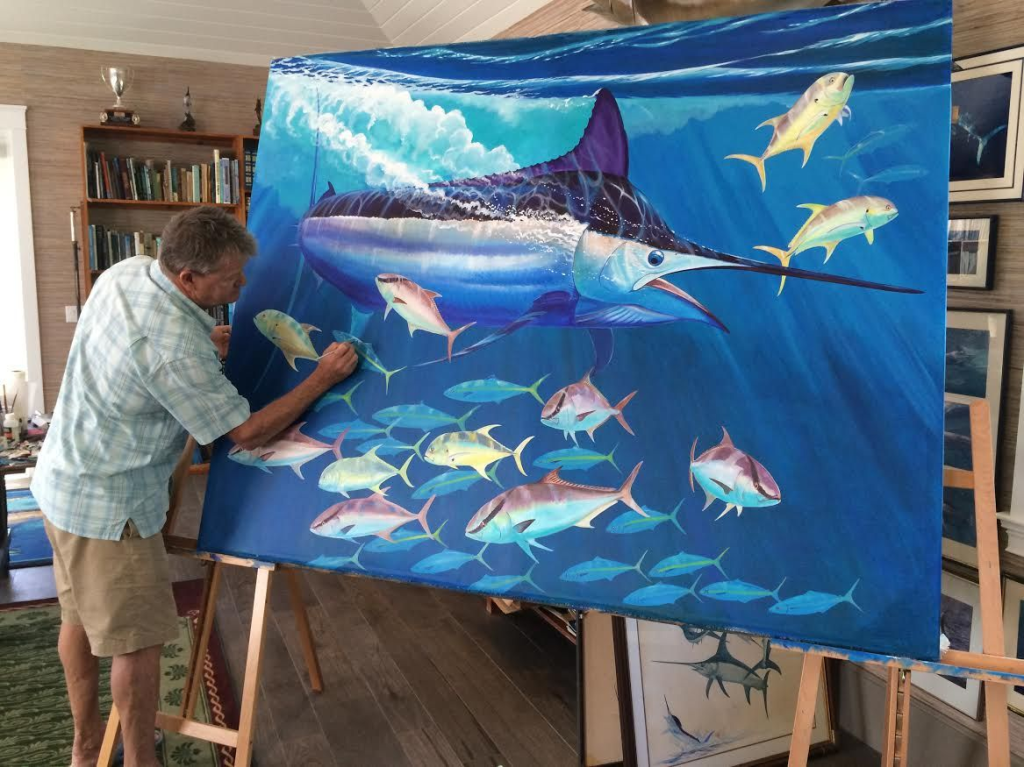
Guy Harvey is more than just an artist; he is a marine biologist, conservationist, and a storyteller who has captured the vibrant beauty of the ocean through his art. Born in Germany and raised in Jamaica, Harvey’s deep connection with the sea began at an early age. This bond, coupled with his scientific background, has allowed him to create art that is both visually stunning and educational.

Harvey’s artwork is renowned for its detailed depictions of marine life, particularly fish species like marlins, sailfish, and sharks. His ability to bring these creatures to life on canvas has made him a favorite among both art collectors and marine enthusiasts. But Harvey’s work goes beyond aesthetic appeal; it serves as a powerful tool for raising awareness about marine conservation.

In 1999, Harvey founded the Guy Harvey Ocean Foundation, a non-profit organization dedicated to the conservation of the marine environment. Through the foundation, Harvey has funded research, education, and outreach programs aimed at protecting ocean ecosystems and the species that inhabit them.

Harvey’s unique blend of art and science has made a lasting impact on both the art world and the field of marine conservation. His work continues to inspire a deeper appreciation for the ocean and the need to protect it for future generations. Whether you’re a fan of his art or an advocate for marine life, Guy Harvey’s legacy is one that resonates with passion, purpose, and a profound love for the sea.

Hope you enjoyed this post, thanks for stopping by!!

Share the Happy💖
Thoughtful Thursday Orcas spotted in Florida Keys

Photo by Felix Rottmann on Pexels.com

I just heard about this on the news and it took me by complete surprise so I had to share it with you. As most of you know I’m a native Floridian and have spent much of my life in and near the ocean. But I’ve never seen or even heard of Orcas in our waters. But this past weekend, Orcas were been spotted in South Florida.

Florida waters are normally warm and this year the oceans are extremely warm. But Orcas usually prefer cooler waters so it’s surprising to see them here. Typically you’d find them in the Arctic, Pacific Northwest and the Northern Atlantic oceans. Although they do travel in all of the oceans around the globe, including South Florida seeing them this far south is definitely a rarity.

Apparently, last Saturday a group of fisherman were fishing 20 miles off the coast of Key Largo, located in the Upper Keys, when a group of orcas came up to their boat. It’s one thing to see one of these large whales in captivity, but it’s a bit unnerving to have a group of them get this close to you in open waters when your in a boat.

Marine biologists are stumped as to why they came to South Florida. But the group hung around the boat for a few minutes and then went off into the ocean. One of them even had a fish in his mouth. Luckily the fisherman were all fine.

Orcas are family oriented and live in groups or pods of up to 40 members. They can live anywhere from 50-80 years in the wild. An adult male can grow up to 26 feet in length and weigh up to 13,200 pounds. A baby orca, or calf is born weighing around 350 pounds. They’re very smart and are considered to be one of the most intelligent marine mammals.

We may never know why they were here, but I like to see it as a blessing 😊

Hope you enjoyed this post today, thanks for stopping by!!

Share the Happy💖

Thoughtful Thursday – Earth Day

Earth Day is being celebrated this Saturday, April 22, 2023. It’s origins began in 1970 as a way to change the public’s outlook and bring awareness to environmental issues plaguing our beautiful planet.

Almost 7 billion people share this amazing planet with 10 million animal species and 300,000 plant species. That’s a lot of inhabitants when you think about it. Plus the entire surface of the earth is a series of connected ecosystems that provide precious resources that sustain all life here on Earth. So it’s imperative that we take care of our planet.

We live a world of plastic and although it was a great invention because it made so many things possible, it may also be our undoing. Stats show that in 2021 there was 363,762,732,605 pounds of plastic polluting the world’s oceans. Plus microplastics which are tiny pieces of plastic can be found in almost all water systems around the world including rivers, lakes, streams and oceans. It is said that there is more microplastic in the ocean than there are stars in the Milky Way. These are very scary stats because where does that leave us in 10, 20 and even 50 years from now? Will this planet be able to sustain life at all?

We all need to pitch in and do our part to reduce, reuse and recycle. We need to work together to come up with better ideas and solutions to reducing our footprint on this planet. So that life will continue to thrive.

What are some of the things you do to help make a better tomorrow?

Thanks for stopping by!

Share the Happy💖

“We do not inherit the earth from our ancestors, we borrow it from our children.” ~Unknown

Source: Earth Day Fact Sheet

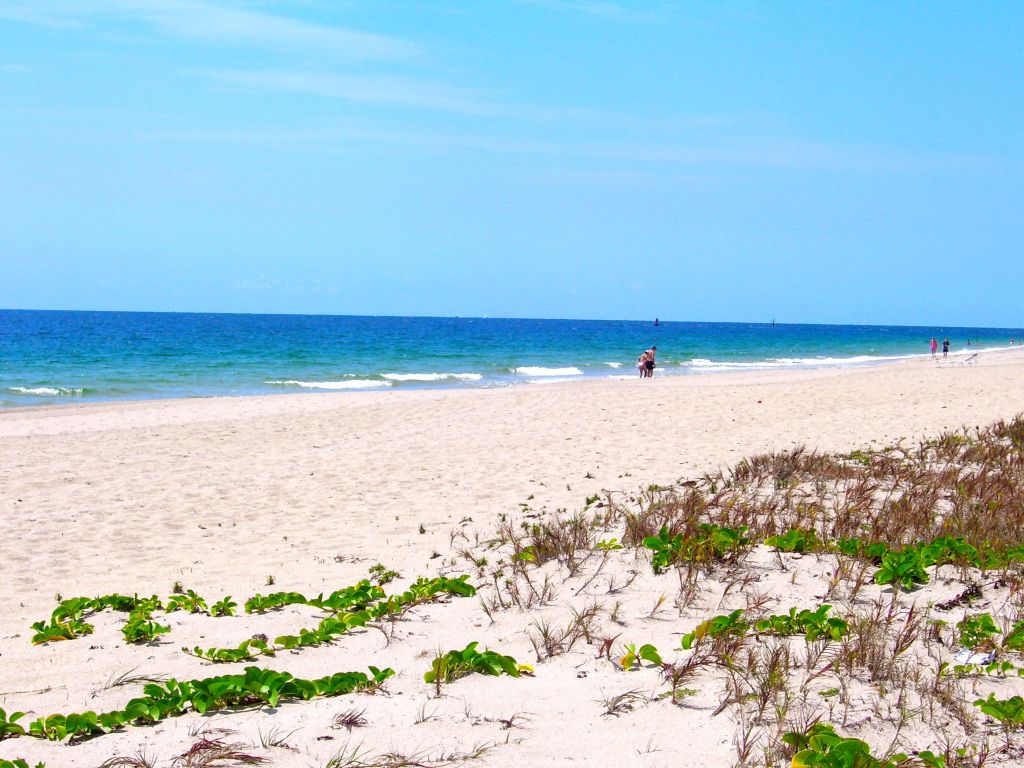
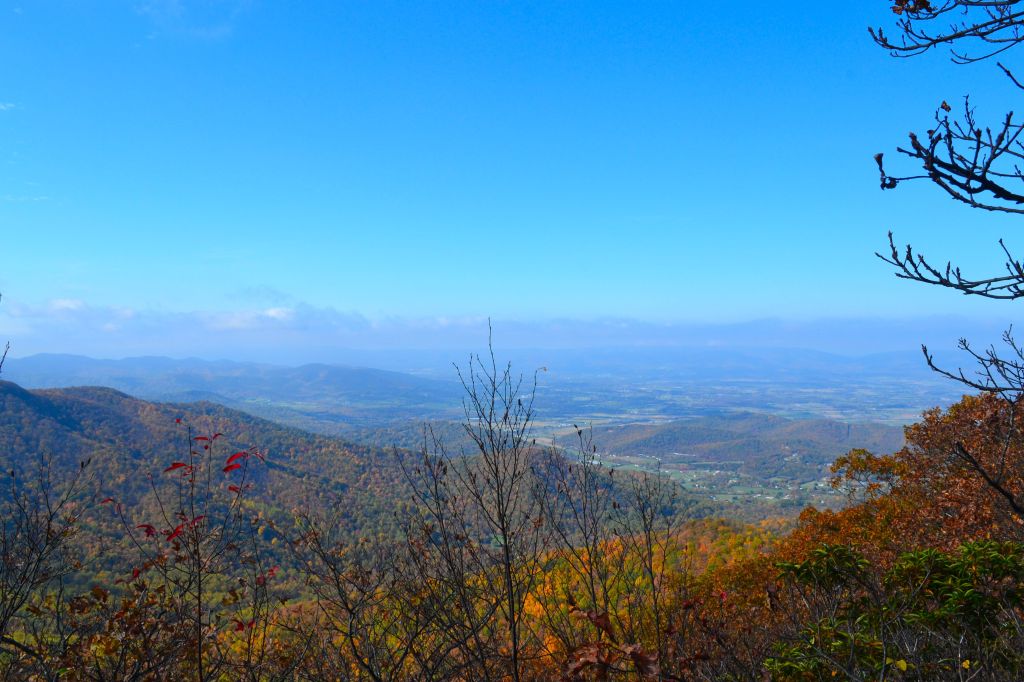
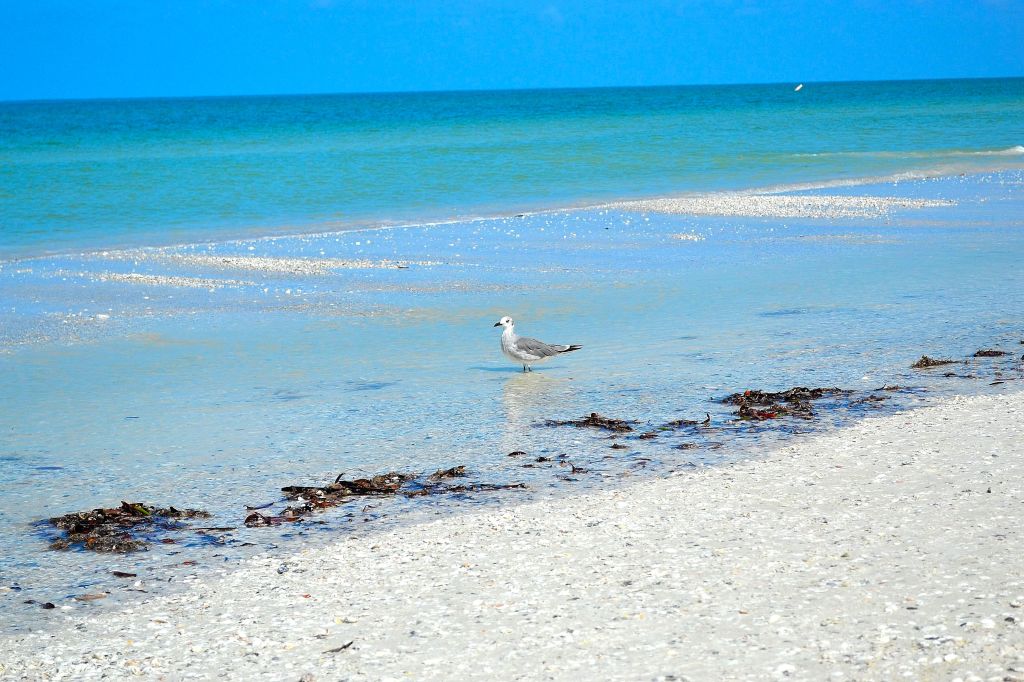
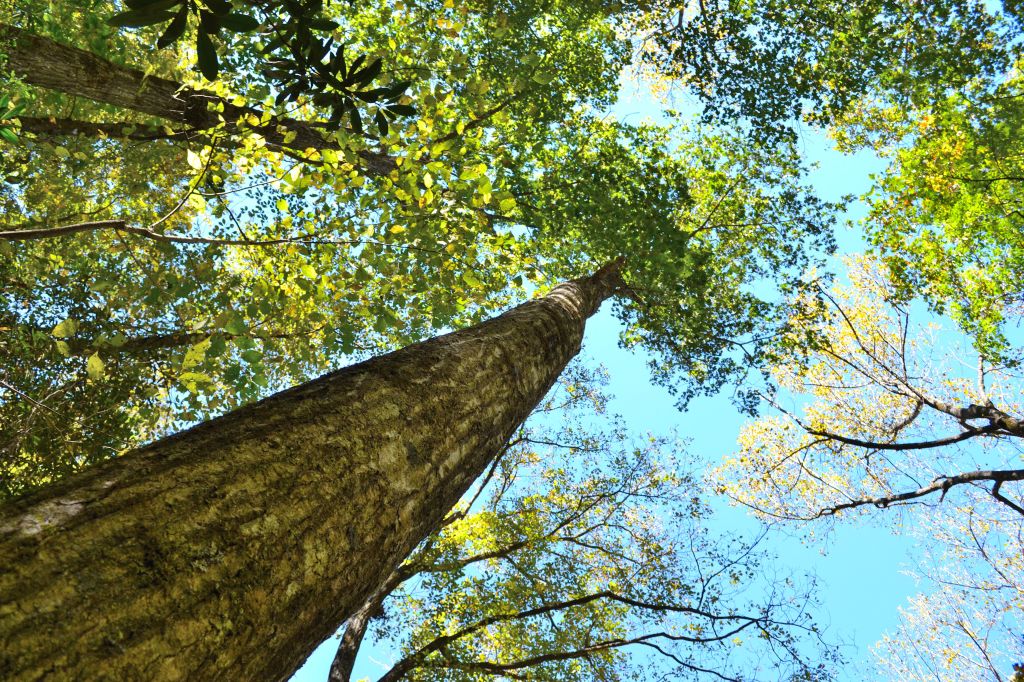
All photos in the slide presentation above were taken by Maria Vidaurre

Thoughtful Thursday – Earth Day

Photo taken by Maria Vidaurre, Marco Island, FL

Earth Day started April 22, 1970, as a way to bring awareness to environmental issues and changing the public’s outlook. We are all interconnected on this planet. Every action causes an equal reaction whether it be good or bad.

Everyone chooses their battles to fight. Some battle to reduce air pollution while others battle for the forests. My battle is for the oceans because they are one of the biggest sources of life on this planet. It’s heartbreaking to see the islands of plastic that have formed as a result of dumping garbage into the oceans. Some of the plastic breaks down, pollutes the waters and eventually settles on the ocean floors. Marine animals mistake plastics for food causing them to get sick or even die.

As humans we consume tons of fish, crabs, lobsters and shrimp from the oceans every year. With the amount of plastics, garbage and toxins that have been dumped into the oceans the marine life has become toxic for humans to eat. Yet it still is a very large food source for us, so what does that say about the state of our health?

This is just one small part of a much larger problem in the oceans and I could go on and on about the issues at hand, but I think you get the gist of it. Everyday we wake up we need to be mindful of the role we play on this planet and be proactive in taking care of Mother Earth so we will have a beautiful tomorrow.

What are some of the things you do to help make a better tomorrow?

Thanks for stopping by!

“We do not inherit the earth from our ancestors, we borrow it from our children.” ~Unknown

All photos above in the slide presentation were taken by Maria Vidaurre, Bahamas.