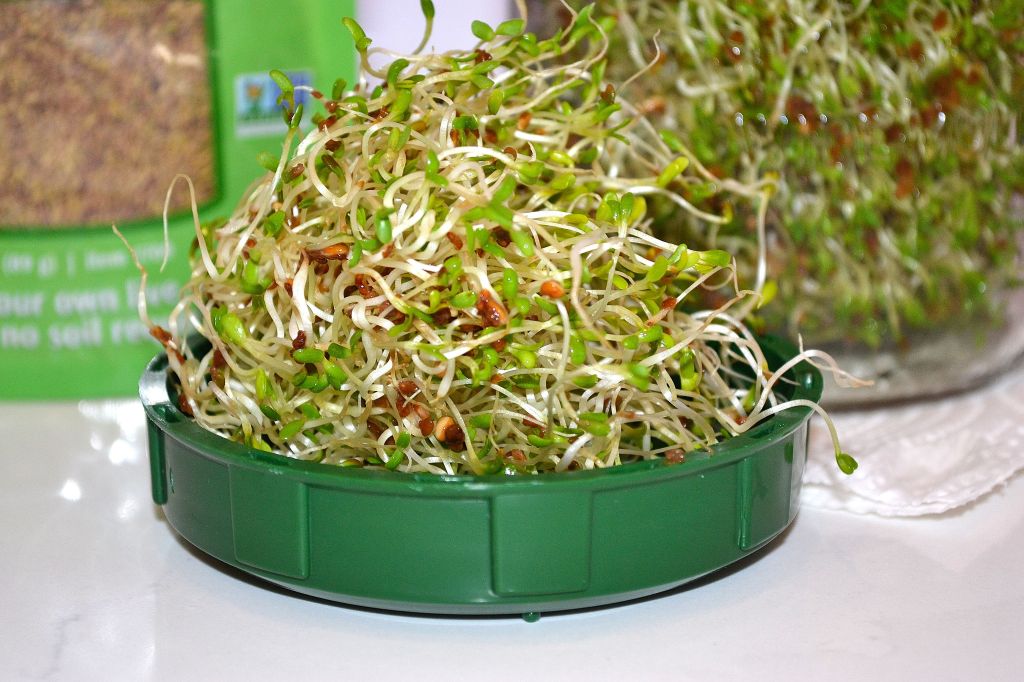
Thoughtful Thursday Easy Homegrown Sprouts

Last week I talked about the Benefits of Growing your own Sprouts and today I’m excited to guide you through the simple process of growing them indoors. You’ll be amazed at how effortless it is! All you need are a few basic supplies all of which are available on Amazon or possibly in your local health food or grocery stores. I’ve included some links in the supply list below but there are many options.

Supplies:

Instructions:

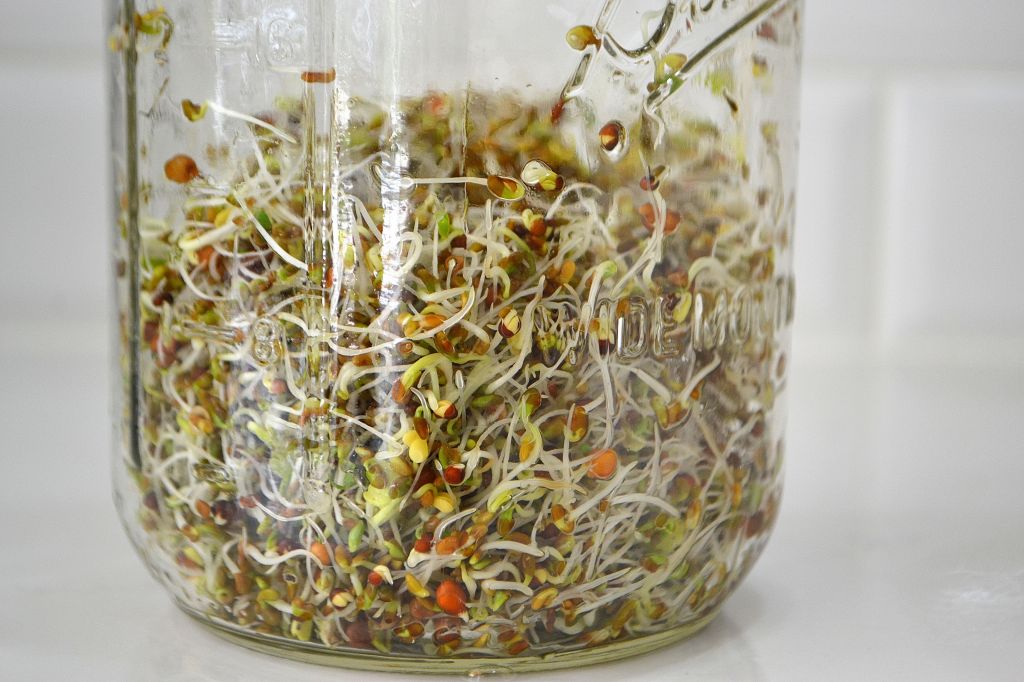
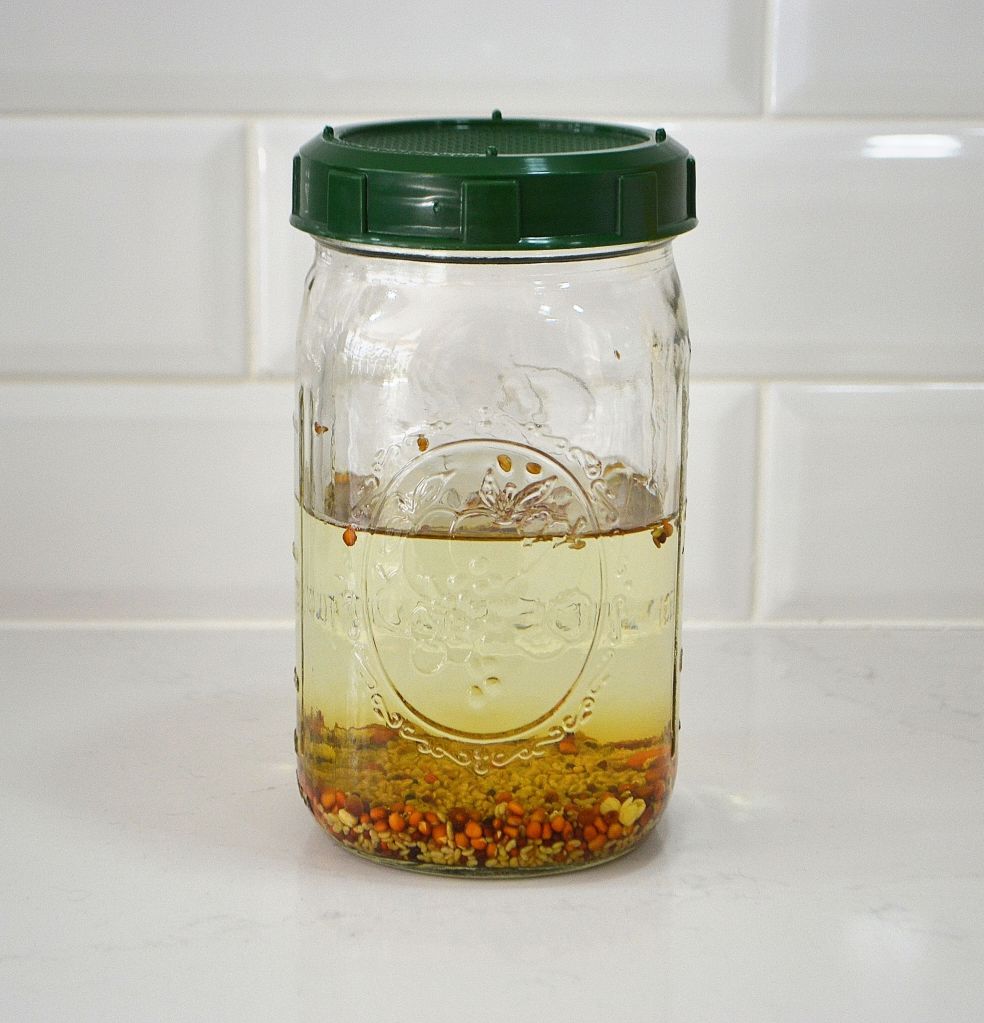
  1. Fill your mason jar with 2 cups of water and add 1-1.5 tablespoons of seeds. Gently mix the seeds in the water (sometimes they clump together). Place the sprouting lid on and let them soak overnight for 8-12 hours. Follow the recommendation on the seed packet.
  2. Rinse the seeds 2-3 times until the water is mostly clear.
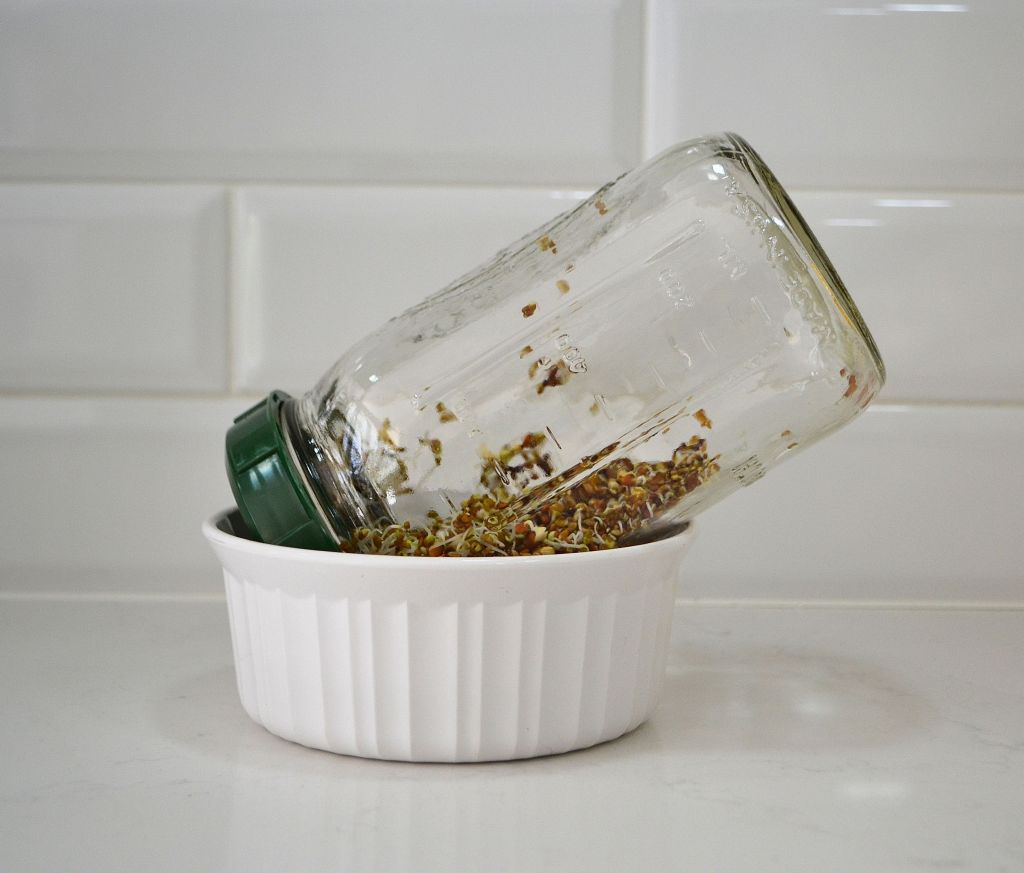
  3. Invert the jar and let it slant slightly inside a bowl allowing the remaining water to drain from the seeds (see pictures below).
  4. Rinse the seeds 2-3 times per day, and put them back into the bowl inverted. Florida is very humid so I only rinse 2 times per day. If you use too much water, you may grow mold so adjust this based on your environment.
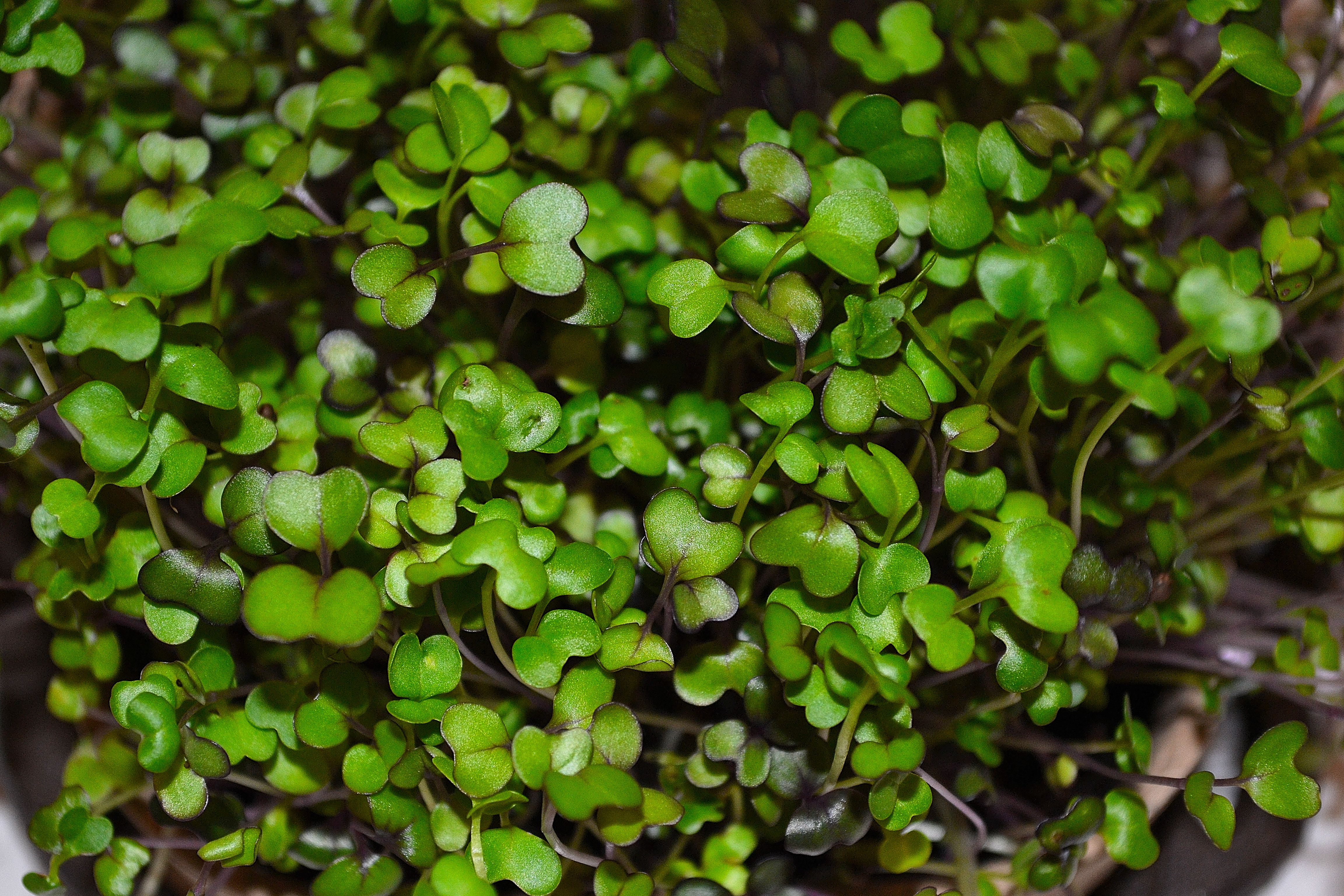
  5. Depending on the seeds you have it will take about 4-5 days to get sprouts. At that point they may be yellow so place them on a sunny windowsill to help turn them green.
  6. Give them a final rinse and remove any of the seed hulls. Put the sprouts back into the jar and store in the fridge. Now they’re ready for you to enjoy!

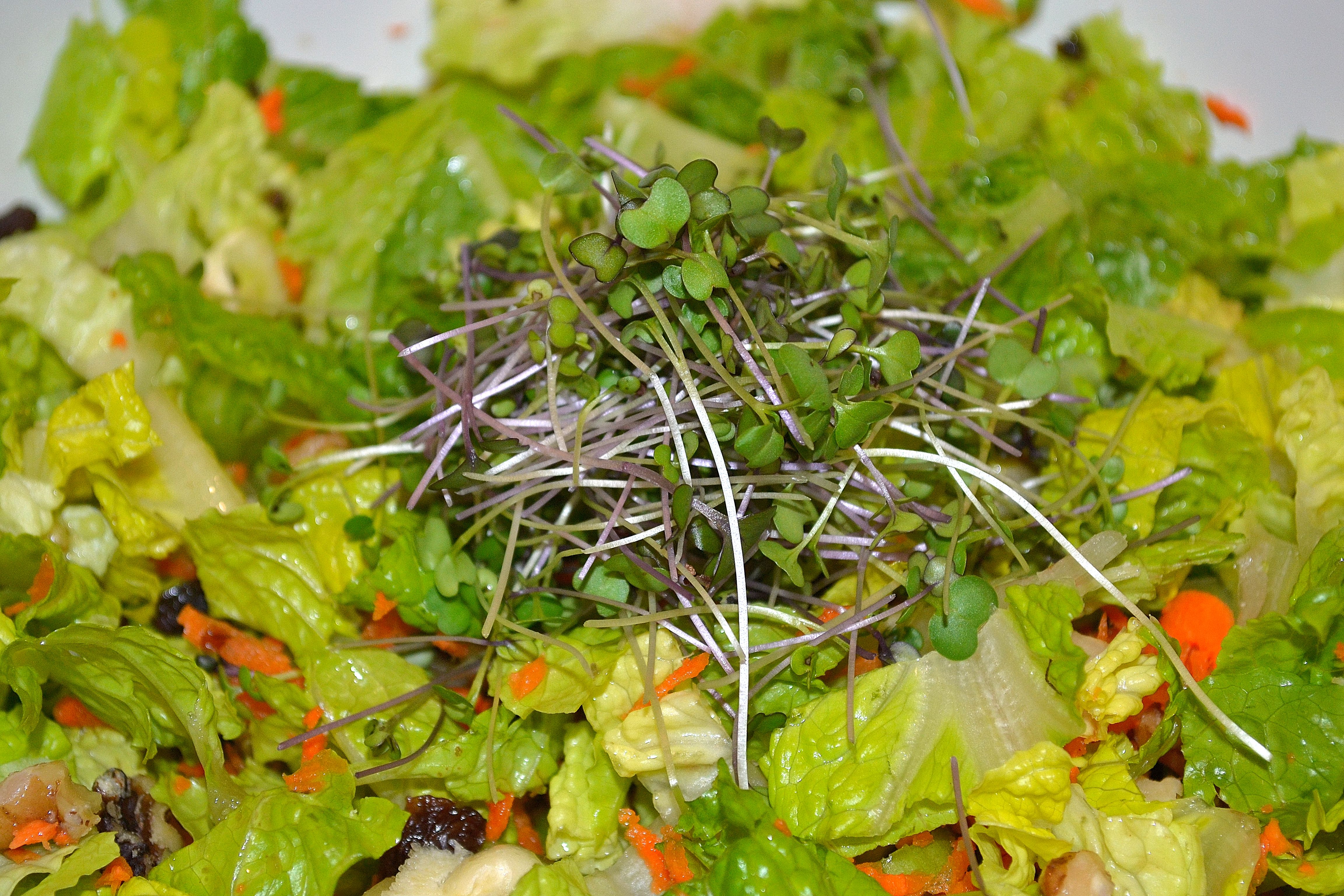
Through my experimentation, I’ve observed that alfalfa tends to sprout faster than broccoli. However, in the photos you see here, I’ve opted for a salad mix variety, which not only sprouts delightfully but also boasts a delicious blend of organic radish, broccoli, and alfalfa. These sprouts aren’t just nutritious; they’re versatile too! I enjoy incorporating them into salads, blending them into smoothies, and using them as a flavorful garnish on a variety of vegan dishes. They truly elevate any meal!

Growing your own sprouts at home is not only easy and rewarding but also adds a fresh and nutritious touch to your culinary adventures. Whether you’re a salad enthusiast, or a smoothie aficionado these vibrant sprouts are sure to delight your taste buds and nourish your body. So why wait? Start sprouting today and embark on a journey of delicious and wholesome eating!

Thanks for stopping by!

Share the Happy 💖

“Good nutrition creates health in all areas of our existence. All parts are interconnected.” ~T. Collin Campbell
Thoughtful Thursday Benefits of Sprouts

Growing your own sprouts isn’t just about adding a fresh touch to your salads or sandwiches – it’s also a gateway to a treasure trove of health benefits. Here’s why cultivating these tiny powerhouses at home might just be one of the best things you can do for your well-being.

  1. Nutrient Powerhouse: Sprouts are bursting with essential nutrients, including vitamins, minerals, enzymes, and antioxidants. As they germinate, their nutritional content skyrockets, making them a concentrated source of goodness for your body.
  2. Digestive Health: Sprouts are packed with dietary fiber, which is crucial for digestive health. Fiber promotes regular bowel movements, helps prevent constipation, and supports a healthy gut microbiome, which is linked to overall well-being.
  3. Boosted Immunity: Rich in vitamins C and A, sprouts can give your immune system a much-needed boost. These vitamins are known for their immune-boosting properties, helping your body fend off infections and illnesses.
  4. Antioxidant Support: Sprouts contain an abundance of antioxidants, such as flavonoids and phenolic compounds, which help combat oxidative stress and inflammation in the body. By neutralizing free radicals, antioxidants may reduce the risk of chronic diseases and support longevity.
  5. Weight Management: With their low-calorie content and high nutritional value, sprouts can be a valuable addition to a weight management plan. They provide satiety without adding excess calories, making them a smart choice for those looking to maintain a healthy weight.
  6. Heart Health: Sprouts are a good source of heart-healthy nutrients like potassium and magnesium, which help regulate blood pressure and support cardiovascular health. Additionally, their fiber content can help lower cholesterol levels, reducing the risk of heart disease.
  7. Convenience and Cost-Effectiveness: Growing your own sprouts at home is not only easy and fun but also cost-effective. With just a few simple tools and minimal space, you can enjoy a constant supply of fresh, nutritious sprouts without breaking the bank.

Growing your own sprouts is a simple yet powerful way to enhance your health and well-being. Whether you’re looking to boost your immunity, support digestive health, or simply add more nutrient-rich foods to your diet, sprouts are a delicious and versatile option that can be enjoyed in countless ways. So why not start sprouting today and reap the countless benefits for yourself? Your body will thank you!

Stay tuned… next week I’ll show you how easy it is to grow your own sprouts at home. Thanks for stopping by!!!

Share the Happy 💖

“Your diet is your bank account. Good food choices are a good investment.” ~Bethanny Frankel

Thoughtful Thursday Exploring the Benefits of Massage

Photo by Breakingpic on Pexels.com

If you’ve ever found yourself yearning for a moment of blissful tranquility amidst life’s hustle and bustle, then you’re in for a treat! Today, we’re diving into the wonderful world of massage and uncovering the incredible benefits it has to offer.

  1. Stress Relief: Let’s kick things off with everyone’s favorite: stress relief! Massage therapy is like hitting the reset button for your mind and body. As those skilled hands work their magic, you can feel the tension melting away, leaving you feeling lighter, calmer, and oh-so serene.
  2. Muscle Relaxation: Whether you’ve been hitting the gym a little too hard or spending long hours hunched over a computer screen, your muscles deserve a little TLC. Massage helps to release built-up tension, improve circulation, and promote relaxation, leaving your muscles feeling loose, limber, and ready to tackle whatever life throws their way.
  3. Pain Relief: Say goodbye to those nagging aches and pains! Massage therapy has been shown to alleviate discomfort from conditions like headaches, back pain, and even chronic illnesses. By targeting key pressure points and releasing endorphins, massage can provide much-needed relief and help you reclaim your comfort.
  4. Improved Sleep: Who doesn’t love a good night’s sleep? If you find yourself tossing and turning, massage might just be the answer to your prayers. By promoting relaxation and reducing stress, massage therapy can help you drift off into dreamland more easily, ensuring you wake up feeling refreshed and rejuvenated.
  5. Boosted Mood: Last but certainly not least, let’s talk about the mood-boosting powers of massage. As those feel-good hormones flood your system, you can’t help but feel a sense of happiness and contentment wash over you. It’s like a mini vacation for your mind, leaving you with a smile on your face and a skip in your step.

So there you have it, just a few of the many amazing benefits of massage therapy! Whether you’re in need of some relaxation, pain relief, or just a little pick-me-up, a massage might be just what the doctor ordered. So go ahead, treat yourself to a little slice of bliss—you deserve it! (Always check with your healthcare provider before making lifestyle changes to ensure it’s a good fit for you.)

Hope you enjoyed this post, thanks for stopping by!!!

Share the Happy💖

Photo by Ian Turnell on Pexels.com

Thoughtful Thursday The Power of Hydration

Photo by Alex Azabache on Pexels.com\

In the hustle and bustle of daily life, it’s easy to overlook the importance of staying hydrated. Yet, proper hydration is essential for maintaining optimal health and well-being. With last summer being a bit of a scorcher, it becomes even more crucial to prioritize hydration. Here’s why staying hydrated is so important and some tips to help you do so effectively:

Why it Matters:

  1. Vital Bodily Functions: Water regulates temperature, aids digestion, and boosts nutrient absorption, keeping your body running smoothly.
  2. Glowing Skin: Hydration plumps skin cells, flushes out toxins, and prevents dryness and premature aging for a radiant complexion.
  3. Energy Boost: Drinking water maintains alertness, fights fatigue, and keeps you focused throughout the day.
  4. Weight Management: Hydration helps control appetite, supports metabolism, and aids calorie burning.

Tips for Staying Hydration:

  • Carry a reusable bottle everywhere you go for easy access (make sure it’s BPA Free)
  • Set reminders to drink regularly, especially during busy times.
  • Infuse water with fruit, herbs or cucumber for a flavorful twist!
  • Eat water-rich foods like fruits and veggies to boost hydration.

Prioritize hydration to support your health, energy, and overall well-being. Stay refreshed and enjoy the benefits of a hydrated lifestyle!

Thanks so much for stopping by!!

Share the Happy💖

Thoughtful Thursday Self Love

Photo by Colon Freld on Pexels.com

Yesterday was Valentine’s Day and it got me thinking. Valentine’s day is a day to express our love to others and that’s a wonderful thing. But what about giving yourself some love?

We lead such hectic lives and seldom take the time give ourselves love. As important as it is to show others you care for them, it’s just as important to care and love yourself. When you neglect yourself you may have a tendency to be impatient, not feel your best, have low energy, feel stressed, overwhelmed or all of the above.

Take the time to eat fresh healthy foods; processed foods will tend to make you more sluggish. Take the time to enjoy some quiet time to meditate and reflect on your own thoughts and emotions. Take the time to go the spa, or create a spa day at home maybe with aromatherapy or sound therapy; whatever makes you most happy. Take the time to get outdoors; soak up some of that glorious sunshine energizing and soothing your mind, body and soul. Take a break from all electronics; enjoy the inner peace and get a better night sleep.

Simply take the time to care for yourself and give yourself some love. It doesn’t have to be a whole day affair, but at least try to fit a small block of time somewhere into your schedule just for you. You’ll be better equipped to handle any obstacle that may come your way and and be the best person you were meant to be!

Hope this inspires you in some way, thanks for stopping by!!!

Share the Happy💖

Photo by Monstera Production on Pexels.com

Thoughtful Thursday What’s in your fruit?

Photo by Carlo Martin Alcordo on Pexels.com

I remember shopping at the grocery store when I was a kid with my mom and being able to buy fruits only when they were in season. I also remember everything bursting with flavor and aroma. But if you go shopping today, pretty much every fruit is available year round from all around the world and sadly they don’t taste or smell as good as they used to.

After doing a little research I found that many fruits are artificially ripened using different chemicals and here’s why: In order for fruit to ripen naturally, it must contain ethylene, a gaseous plant hormone. Green, unripen fruits have low levels of ethylene. But as the fruit matures ethylene production increases and signals the plant it’s time to ripen the fruit. Even after the fruit is harvested, ethylene continues to be produced and as a result it decreases the shelf life of fruits.

Scientists came up with a way to extend the shelf life of fruits by picking them while green and ripening them with artificial ripening agents. However, this process is highly contested around the world because of the health risks associated with these ripening agents. It is said that consuming fruits, on a regular basis which have been artificially ripened can cause heart conditions, lightheadedness, and even skin ulcers depending on the ripening agents used. Thankfully most of the world banned the use of the really toxic agents but there are a few countries which still allow them to be used.

The reason the fruits don’t taste as good as they used to is because by artificially ripening the fruits only the external peel actually ripens. The inside of the fruit will basically remain green and raw. I’ve had avocados which I left out to ripen on the counter but they never did. After some time I ended up cutting them open only to find they were rotting from the inside out and now I know why.

With almost 80% of fruits being artificially ripened, I’m left scratching my head. It’s hard to tell what has been artificially ripened and what hasn’t unless you contact the companies and find out. Apparently, organic fruits aren’t excluded from this process but are less likely to be artificially ripened.

So what do you do? Fruits are very important for a healthy diet. Your best bet is to go back to the old ways and buy locally grown produce that will “hopefully” not be treated with these artificial agents. An even better idea is to plant a small garden and grow your own food. Mother nature made growing many plants fairly easy and you’ll have better control over your health plus you’ll reduce your grocery bill too.

Hope you found this post helpful, thanks for stopping by!!

Share the Happy💖

“A garden feeds more than the table, it feeds the soul.” ~Unknown

Photo by Karen Lau00e5rk Boshoff on Pexels.com

Thoughtful Thursday WFPB

Photo by Maarten van den Heuvel on Pexels.com

As most of you know I started eating vegan due to health issues. But in the last several years companies have created many plant based products including cheese which actually tastes pretty good. So I fell into the trap of time constraints and plain old convenience.

My body started to develop aches and pains. It wasn’t anything major but it was also different than before I went vegan. I didn’t pay much mind to it but a month before we went on our holiday vacation I decided to go Whole Foods Plant Based (WFPB).

You may be asking why I did this when I’m already vegan. Here’s the scoop, a soda and bag of potato chips is vegan but is it healthy for you? The obvious answer is no because it’s highly processed, contains lots of sugar, salt and other things you can’t pronounce.

Whole Foods Plant Based (WFPB) is just that. You’re eating fruits and veggies that aren’t processed. So no plant based products made in a manufacturing plant. You buy your produce, prepare it and then eat it – plain and simple just as God intended.

Every morning when I’d wake up I would lay in bed assessing the daily aches and pains. It took about 3 weeks and I woke up one morning assessing the discomfort and to my surprise there was absolutely nothing! I felt perfectly fine. I continued to lay there because there had to be something. But nope, there was nothing. I was amazed that eating processed foods caused so much inflammation resulting in pain that I felt throughout my body especially my joints. Plus I dropped weight, my energy went through the roof and I felt like I turned the clock back 30 years!

What I learned from this is you don’t necessarily need to eat plant based foods but definitely eat whole foods. If you want to feel good, have more energy, lose weight reduce or completely eliminate the processed foods from your diet. You may be surprised at how great you can feel!

Hope this inspires you, thanks for stopping by!!

Share the Happy💖

“It’s not about eating healthy to lose weight. It’s about eating healthy to feel good.” ~Demi Lovato

Photo by Oleksandr P on Pexels.com

Thoughtful Thursday What’s in your bottled water?

Photo by Steve Johnson on Pexels.com

Would you intentionally ingest plastic? But if you drink bottled water which is sold in all types of plastic containers, that’s exactly what you’re doing.

Water is the source of all life on this planet and we each need our daily supply if we want to be healthy. But consuming plastic can’t be good for our bodies. I would prefer water bottled in a glass container which is how it was originally done but that’s not practical in today’s world.

Bottled water had been sold as early as 1622 in the United Kingdom’s Holy Well bottling plant. It was believed that natural springs had healing properties and the water was sold as a medicinal remedy. Jackson’s Spa in Boston was the first to sell bottled water in 1767.

Great technological advancements were made in the 19th century in producing glass containers that were efficient and practical. And thus Saratoga Springs in Saratoga New York started producing and selling seven million bottles of water a year in 1856.

It wasn’t until the 1930’s that plastic bottles began replacing the glass water bottles. Almost 100 years later these plastic bottles have became a refuse nightmare this planet. In the US consumers purchase about 50 billion water bottles a year which adds up to a lot of waste especially because they can last for hundreds of years before decomposing in landfills and sadly many end up in our oceans.

Now here’s where it gets pretty scary. Studies showed that 93% of samples taken from 259 popular bottled water brands, sold in several countries contained “microplastic” synthetic polymer particles, in other words tiny pieces of plastic. They also found that many of those particles were visible to the naked eye.

It was also rumored if the bottled water is heated (like leaving it in the car) or refrigerated/frozen it caused more plastic particles to seep into your water. Supposedly there were studies done claiming this rumor was false or is it true?

Bottom line is you need to take care in the amount of bottled water you consume because every time you drink it, your ingesting plastic. Personally, I try not to drink it whenever possible but sometimes you don’t have a choice. So opt for filtered fresh water or water bottled in a glass container whenever possible.

Thanks for stopping by!!

Share the Happy💖

Photo by Pixabay on Pexels.com

Thoughtful Thursday Benefits of MCT Oil

Photo by Alexander Mils on Pexels.com

Our brain is a complex organ which requires lots of energy to run efficiently on a daily basis. It controls a lot of things like our emotions, memories, thoughts, motor skills, touch, vision, breathing and more. Plus it pretty much regulates every process in our body. But as we age, our brain health may decline. So it’s really important to take care of this powerhouse so we can keep our wits about us as we get older.

MCT oil is a medium-chain triglyceride (MCT) which is more easily digested than longer-chain fatty acids found in foods. The most common form of MCT oil is extracted from coconut oil since 50% of the fat in coconut oil comes from MCTs.

MCT oil is excellent for brain health and has been shown to help manage Alzheimer’s, Epilepsy and Autism. Plus it may help reduce body fat, improve your gut health, fight bacterial growth, increase energy, reduce inflammation and manage blood sugar levels and more.

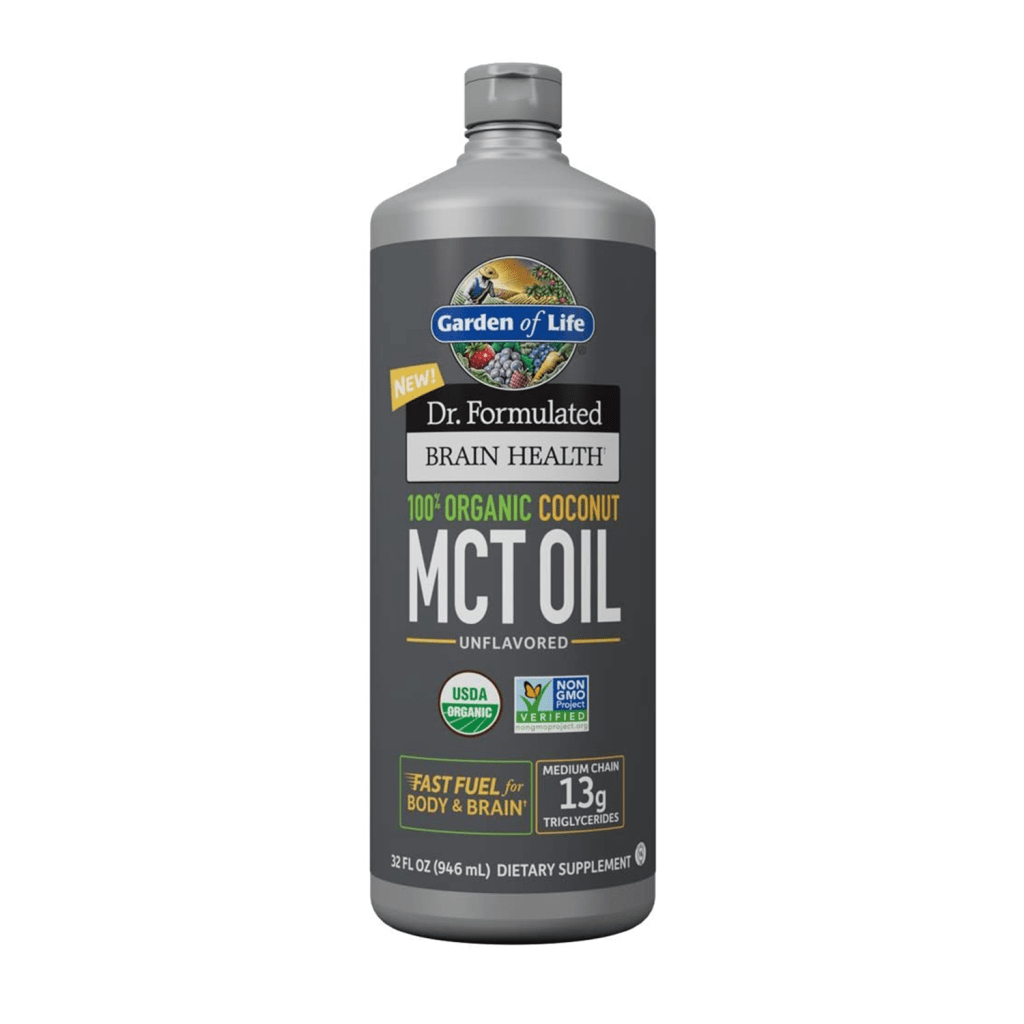
I’ve been using Garden of Life Organic MCT Oil for the last year and have noticed an improvement in my brain health. I feel more mentally alert, energetic and overall better. I add 1 tablespoon, one or two times a week to my shakes and smoothies. I don’t notice a flavor difference so I have no problem consuming it and I love how I feel! You can find it on Amazon or click on the image below.

I highly recommend Organic MCT Oil by Garden of Life, it’s been a life changer. However, as with any dietary change please consult with your health care provider to make sure this is a good fit for you. (Note: by clicking on the link or image above it will take to the corresponding product in your region’s Amazon store. This Affiliate link means that I’ll get a small commission when you buy through my website. Thanking you in advance!!)

Thanks for stopping by!!

Share the Happy 💖

“The preservation of health is easier than the cure of the disease.” ~Unknown

Photo by Johannes Plenio on Pexels.com

Thoughtful Thursday Toxic Coffee

Photo by Bu00fcu015franur Aydu0131n on Pexels.com

Who doesn’t like a good cup of coffee? In the United States it’s the number 1 beverage we consume. On average, a person drinks 3 cups of coffee per day or 1,095 cups a year. That’s a lot of coffee! Most think that coffee is safe and somewhat healthy to drink. But there’s so much more you don’t know even know about. After you read this, you may not look at your morning cup of Joe the same way.

Coffee used to be grown in the shade where the plants thrived. However, because of it’s popularity it’s now grown for mass production and as a result it’s the most intensively sprayed crop in the world. The crops require large amounts of fertilizer, pesticide and fungicide which make coffee toxic for consumers and also those who work and live in areas where coffee is produced.

Endosulfan is a pesticide that’s commonly used to combat a coffee consuming bug called a cherry borer. This pesticide is toxic to most animals and can affect the central nervous system, kidneys, liver and reproductive organs. Plus it’ has even been responsible for human death. That in itself is scary but wait there’s more…

Triadimefon is a copper based fungicide that’s only slightly toxic to birds and little is known of the toxicity to humans. But it’s suspected it may cause reproductive problems and even hyperactivity.

Chlorpyrifos is yet another chemical that can be found in your morning coffee. This is a pesticide that affects the central nervous system, can cause birth defects and even in some cases has caused death in humans. The EPA has been working on getting this highly toxic chemical out of our food supply but some things still have it.

With every cup of coffee you drink, you’re ingesting these chemicals. So if you can’t start your day with a cup of coffee, opt for organic. It may not be completely free of chemicals but it is far better than conventionally grown coffee.

Hope this didn’t scare you too much but it should be an eye opener so you can make better decisions about your health.

Thanks for stopping by!!!

Share the Happy 💖

“A healthy outside starts from the inside.” ~Robert Urich