Thoughtful Thursday Easy Homegrown Sprouts

Last week I talked about the Benefits of Growing your own Sprouts and today I’m excited to guide you through the simple process of growing them indoors. You’ll be amazed at how effortless it is! All you need are a few basic supplies all of which are available on Amazon or possibly in your local health food or grocery stores. I’ve included some links in the supply list below but there are many options.

Supplies:

Instructions:

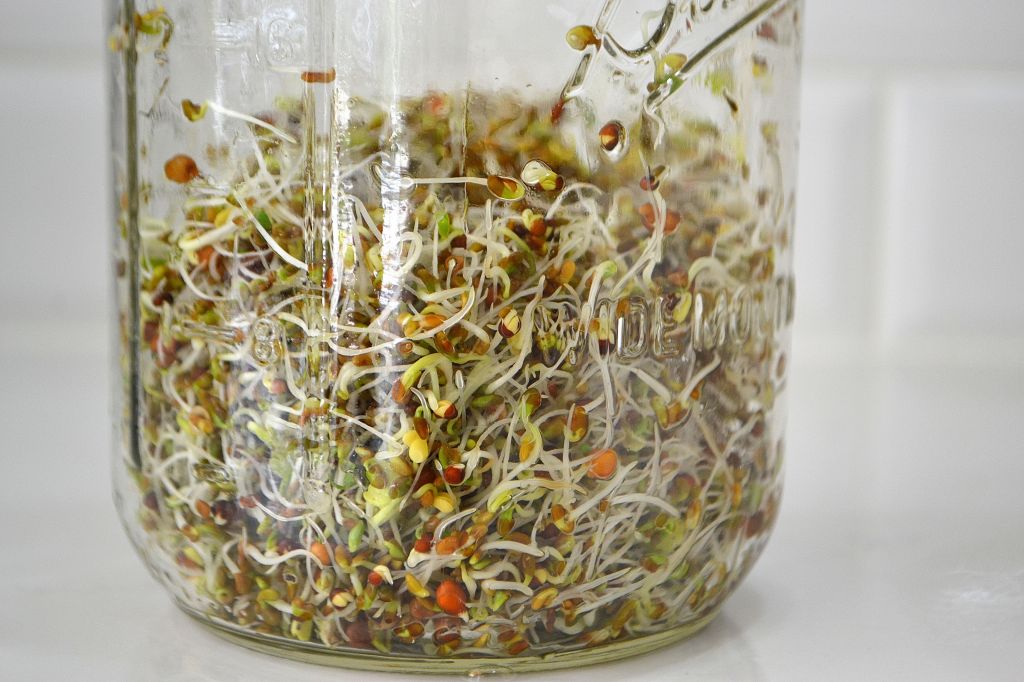
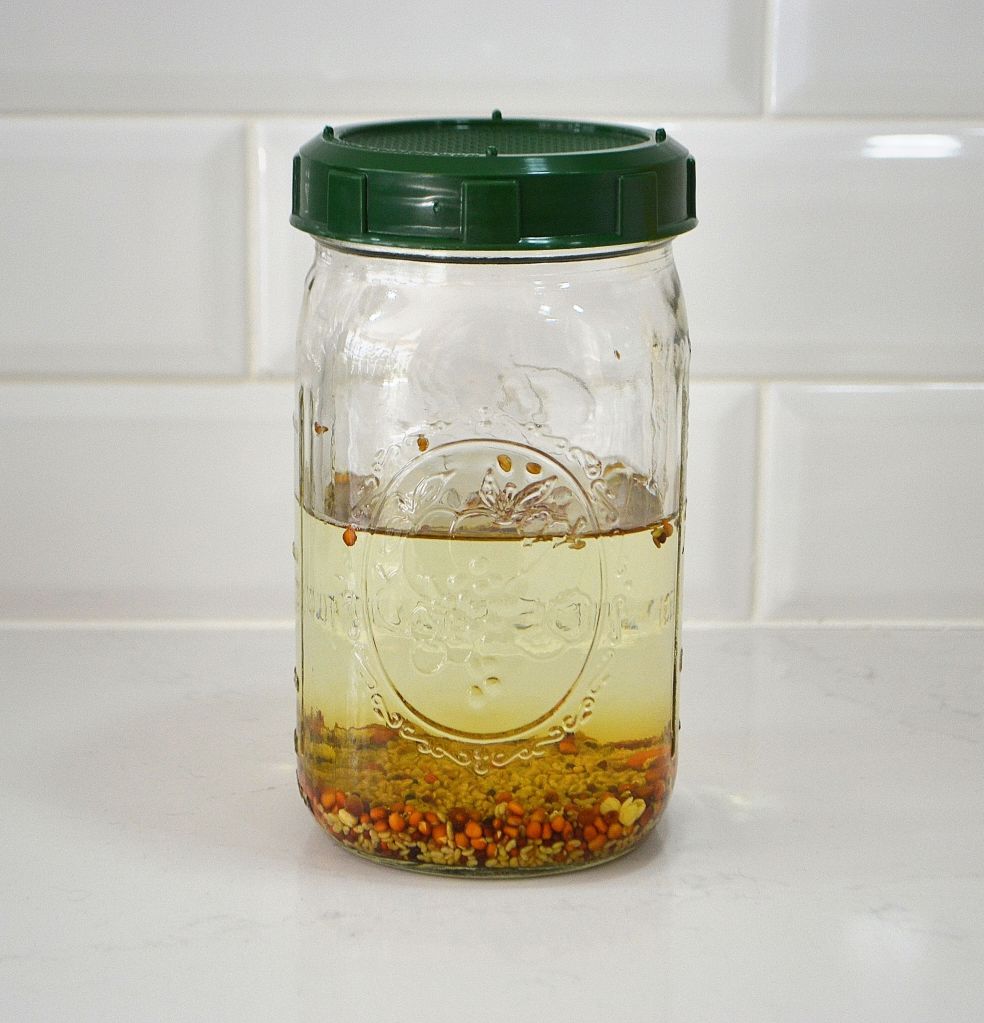
  1. Fill your mason jar with 2 cups of water and add 1-1.5 tablespoons of seeds. Gently mix the seeds in the water (sometimes they clump together). Place the sprouting lid on and let them soak overnight for 8-12 hours. Follow the recommendation on the seed packet.
  2. Rinse the seeds 2-3 times until the water is mostly clear.
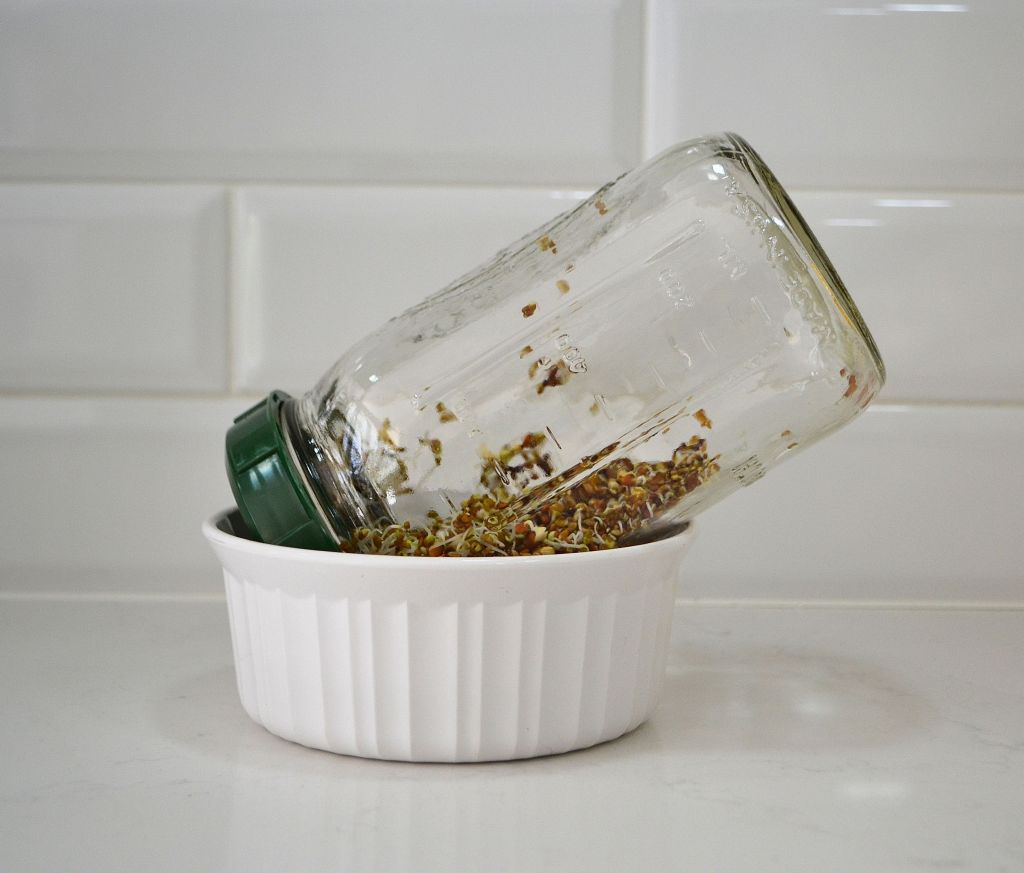
  3. Invert the jar and let it slant slightly inside a bowl allowing the remaining water to drain from the seeds (see pictures below).
  4. Rinse the seeds 2-3 times per day, and put them back into the bowl inverted. Florida is very humid so I only rinse 2 times per day. If you use too much water, you may grow mold so adjust this based on your environment.
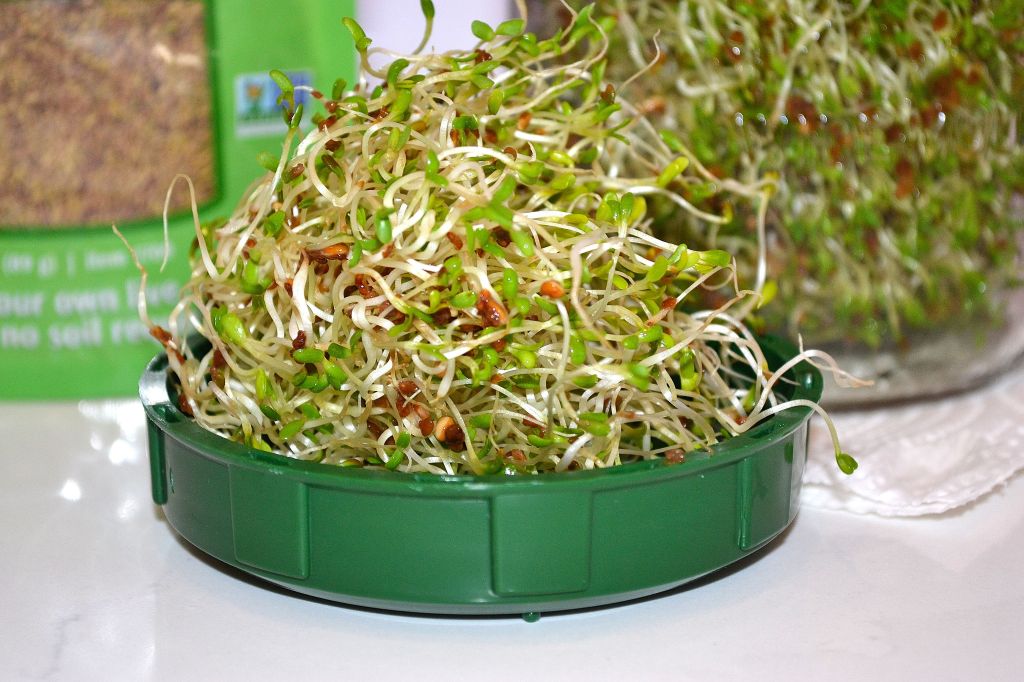
  5. Depending on the seeds you have it will take about 4-5 days to get sprouts. At that point they may be yellow so place them on a sunny windowsill to help turn them green.
  6. Give them a final rinse and remove any of the seed hulls. Put the sprouts back into the jar and store in the fridge. Now they’re ready for you to enjoy!

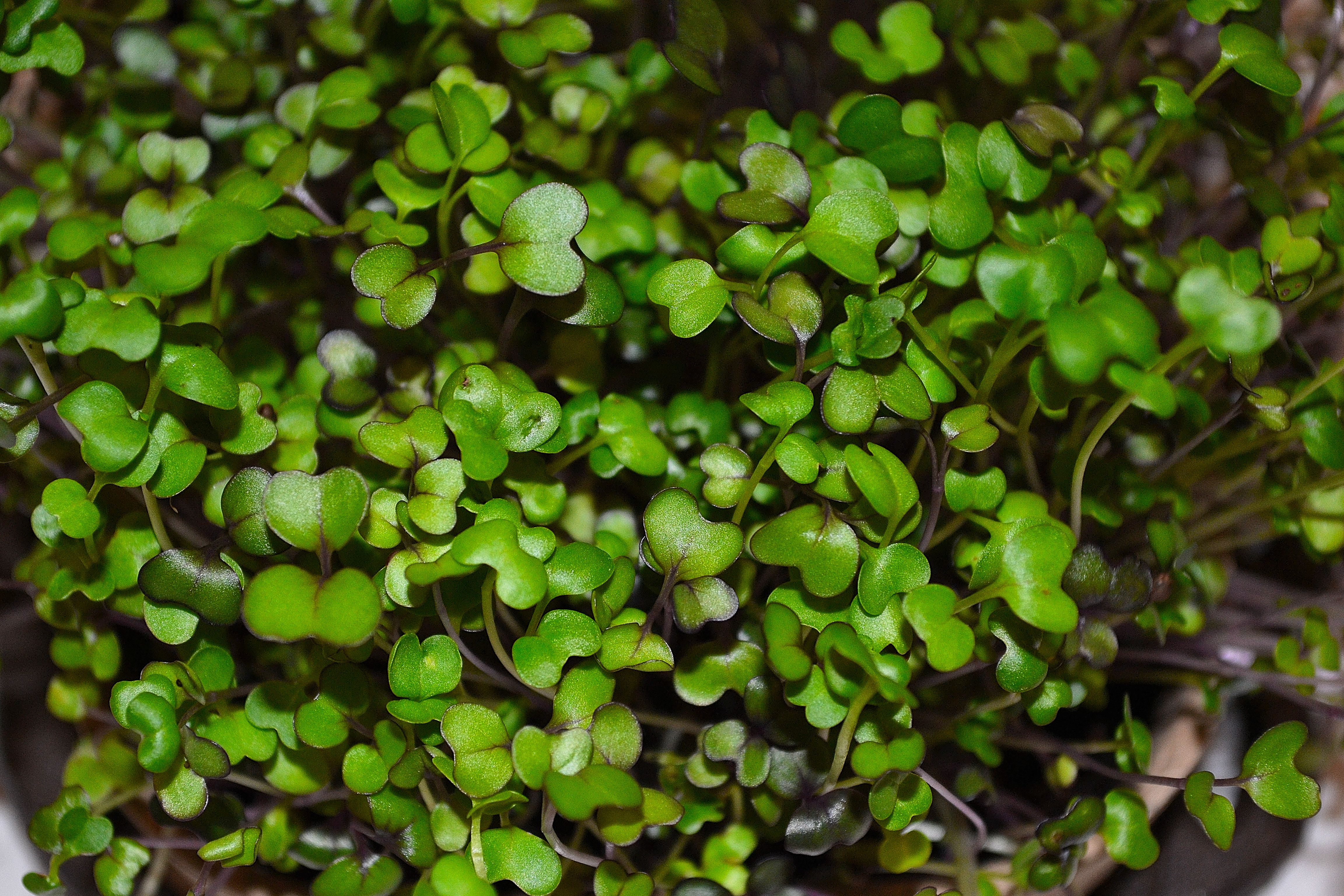
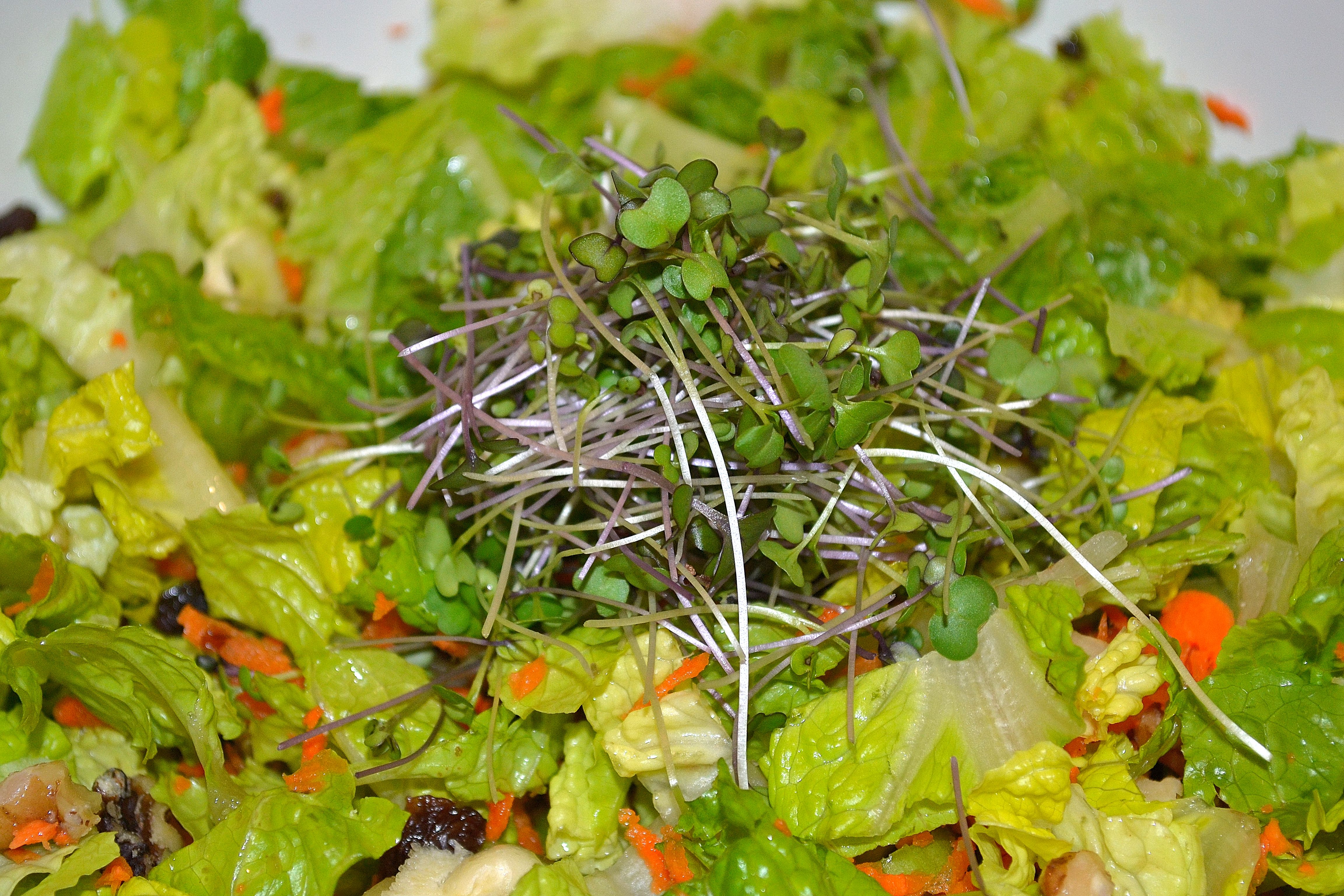
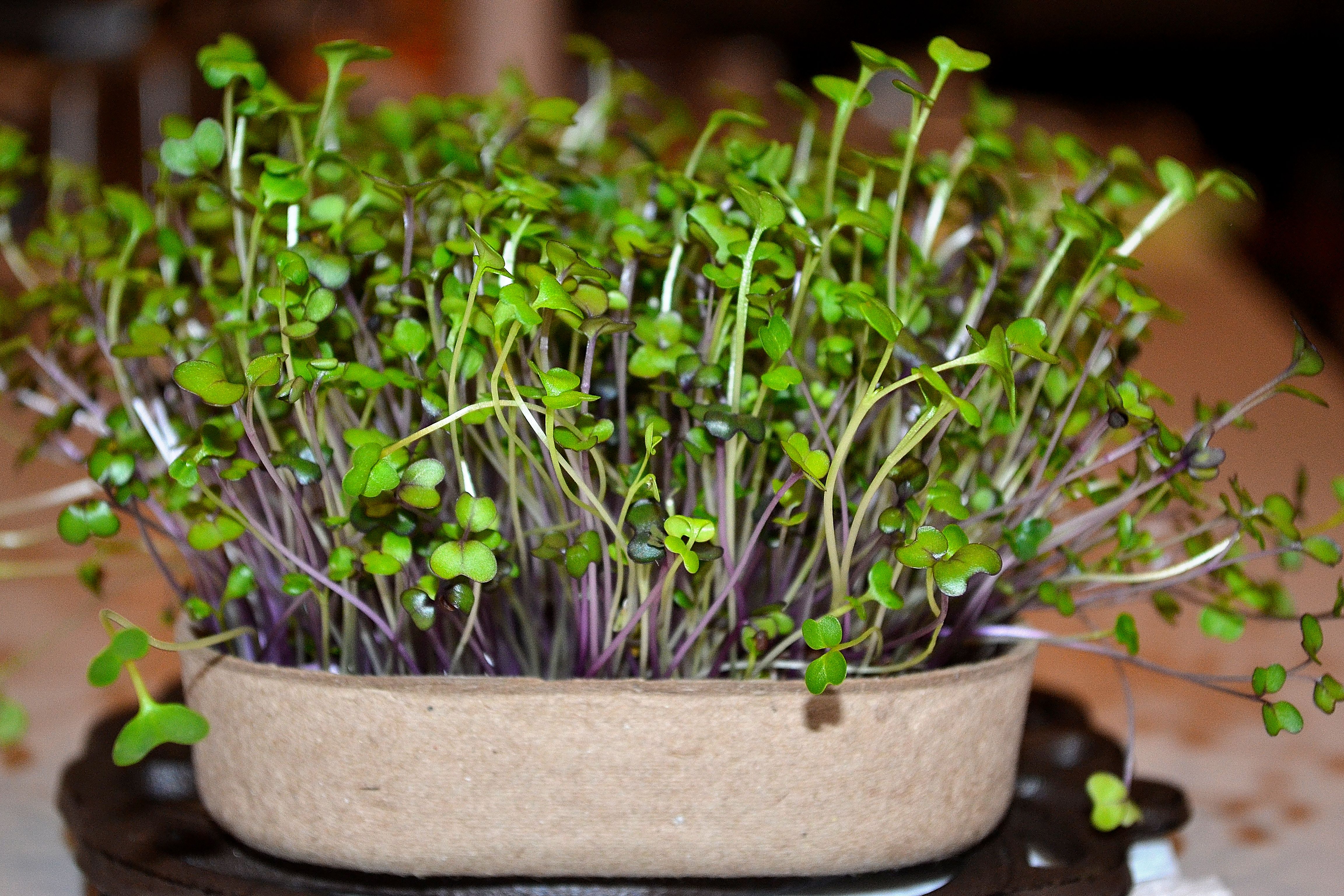
Through my experimentation, I’ve observed that alfalfa tends to sprout faster than broccoli. However, in the photos you see here, I’ve opted for a salad mix variety, which not only sprouts delightfully but also boasts a delicious blend of organic radish, broccoli, and alfalfa. These sprouts aren’t just nutritious; they’re versatile too! I enjoy incorporating them into salads, blending them into smoothies, and using them as a flavorful garnish on a variety of vegan dishes. They truly elevate any meal!

Growing your own sprouts at home is not only easy and rewarding but also adds a fresh and nutritious touch to your culinary adventures. Whether you’re a salad enthusiast, or a smoothie aficionado these vibrant sprouts are sure to delight your taste buds and nourish your body. So why wait? Start sprouting today and embark on a journey of delicious and wholesome eating!

Thanks for stopping by!

Share the Happy 💖

“Good nutrition creates health in all areas of our existence. All parts are interconnected.” ~T. Collin Campbell
Thoughtful Thursday Benefits of Sprouts

Growing your own sprouts isn’t just about adding a fresh touch to your salads or sandwiches – it’s also a gateway to a treasure trove of health benefits. Here’s why cultivating these tiny powerhouses at home might just be one of the best things you can do for your well-being.

  1. Nutrient Powerhouse: Sprouts are bursting with essential nutrients, including vitamins, minerals, enzymes, and antioxidants. As they germinate, their nutritional content skyrockets, making them a concentrated source of goodness for your body.
  2. Digestive Health: Sprouts are packed with dietary fiber, which is crucial for digestive health. Fiber promotes regular bowel movements, helps prevent constipation, and supports a healthy gut microbiome, which is linked to overall well-being.
  3. Boosted Immunity: Rich in vitamins C and A, sprouts can give your immune system a much-needed boost. These vitamins are known for their immune-boosting properties, helping your body fend off infections and illnesses.
  4. Antioxidant Support: Sprouts contain an abundance of antioxidants, such as flavonoids and phenolic compounds, which help combat oxidative stress and inflammation in the body. By neutralizing free radicals, antioxidants may reduce the risk of chronic diseases and support longevity.
  5. Weight Management: With their low-calorie content and high nutritional value, sprouts can be a valuable addition to a weight management plan. They provide satiety without adding excess calories, making them a smart choice for those looking to maintain a healthy weight.
  6. Heart Health: Sprouts are a good source of heart-healthy nutrients like potassium and magnesium, which help regulate blood pressure and support cardiovascular health. Additionally, their fiber content can help lower cholesterol levels, reducing the risk of heart disease.
  7. Convenience and Cost-Effectiveness: Growing your own sprouts at home is not only easy and fun but also cost-effective. With just a few simple tools and minimal space, you can enjoy a constant supply of fresh, nutritious sprouts without breaking the bank.

Growing your own sprouts is a simple yet powerful way to enhance your health and well-being. Whether you’re looking to boost your immunity, support digestive health, or simply add more nutrient-rich foods to your diet, sprouts are a delicious and versatile option that can be enjoyed in countless ways. So why not start sprouting today and reap the countless benefits for yourself? Your body will thank you!

Stay tuned… next week I’ll show you how easy it is to grow your own sprouts at home. Thanks for stopping by!!!

Share the Happy 💖

“Your diet is your bank account. Good food choices are a good investment.” ~Bethanny Frankel

Thoughtful Thursday Microgreens vs Sprouts

Microgreens and Sprouts are both very healthy additions to your diet especially if you’re trying to get all of your essential minerals and vitamins without pills or supplements. Both of these can help you lose weight, lower your cholesterol and even help improve your mental health and so much more. But what exactly is the difference?

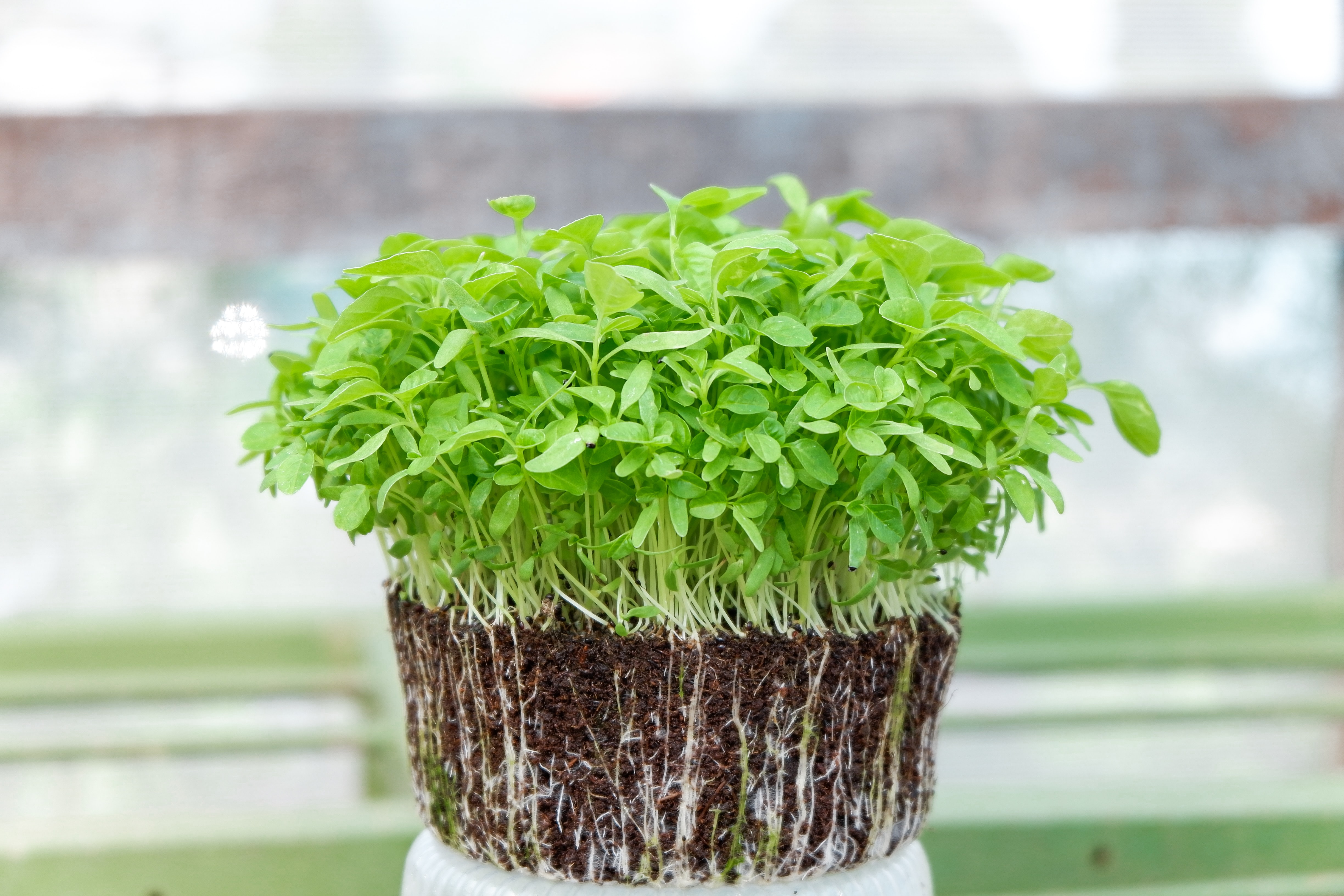
For starters microgreens are young shoots of a plant while sprouts are germinated seeds. Microgreens you’re eating the small plant minus the roots because you cut them at the soil whereas sprouts you’re eating the whole thing. Another difference is in how they’re grown. I created the chart below to give you a better idea:

In regards to what which one provides the best nutrition, that award goes to the microgreens. Although sprouts are very healthy to eat and provide lots of nutrition, along with fiber and protein they just don’t compare to power of microgreens.

Studies have shown that microgreens give you the vitamins and minerals of a full grown plant all packed into a small little plant. These little guys are just loaded with everything a sprout has but lots more of it. Pound for pound, microgreens provide more vitamins, minerals, protein and fiber than sprouts.

I’ve grown both and love them! They’re delicious on their own but I love to add them to salads, sandwiches, smoothies and just about anything else I can think of. Ultimately, it comes down to you and what you’re willing to do to get and stay healthy.

I hope you found this post helpful today. Thanks for stopping by!!!

Share the Happy 💖

“Those who think they have not time for healthy eating, will sooner or later have to find time for illness.” ~Unknown

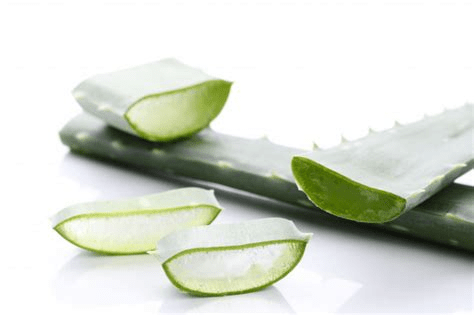
Thoughtful Thursday Benefits of Aloe Vera

Photo by Jean van der Meulen on Pexels.com

Growing up my parents had a beautiful garden and they loved growing plants for home remedies. Any time we got a sunburn or burned ourselves on a hot dish, dad would get a cutting from the large aloe plant he had growing out back.

I remember him peeling the skin and exposing the clear jelly substance inside the leaf. It would ooze a thick yellow liquid that was actually the sap. The clear jelly part of the plant is what would make your skin fell better in no time.

The Aloe Vera plant was originally from Africa but can be found all over the world. It has been used for centuries for it’s medicinal benefits. Aloe Vera is not classified as a cacti but rather a succulent.

It can be used both internally and externally. Studies have shown it can boost collagen production and promote the healing of wounds. It also has antioxidant and antibacterial properties. It’s great for many skin irritations including bug bites, sunburns and can improve and even prevent wrinkles. As a mouth rinse it helps reduce dental plaque. When you drink the juice which is available in most grocery stores it helps to relieve digestive issues and can also lower blood sugar levels. It’s amazing the number of health benefits it has but these were just few.

So if you’re looking for natural remedies having one of these plants should definitely be on your list. But be aware it may have adverse interactions with certain medications when taken internally. So as with any lifestyle change always seek the advice of a medical professional to make sure it’s a good fit for you 😊

Hope you enjoyed today’s post, thanks for stopping by!!

Share the Happy 💖

“Nature is so smart it put the medicine inside the food.” ~Unknown

Thoughtful Thursday Growing Microgreens

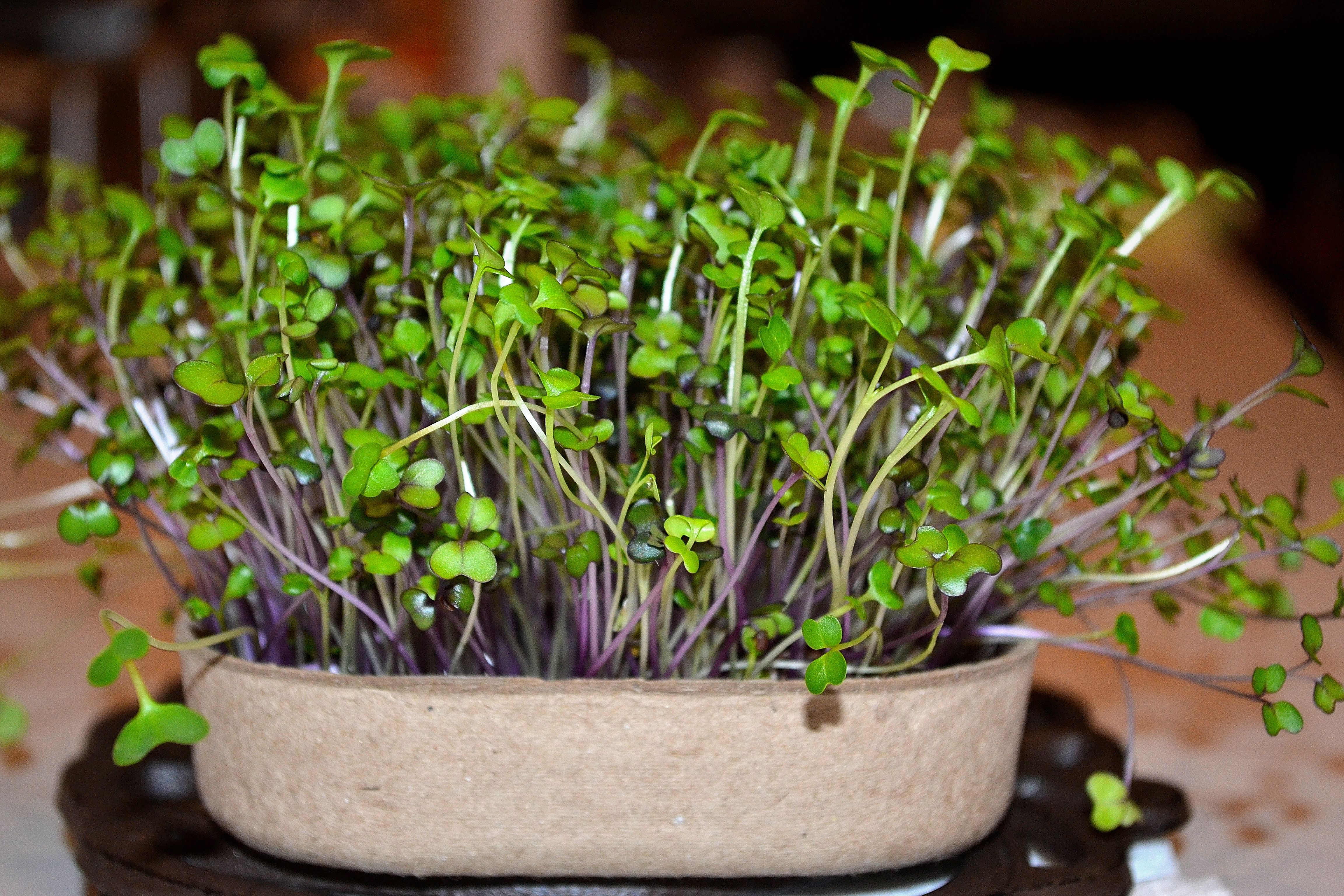
Last month I wrote a post about the Benefits of Microgreens. Today I’m writing about growing them. I looked up a few tutorials online and decided to start with a kit to see if I liked growing and eating them.

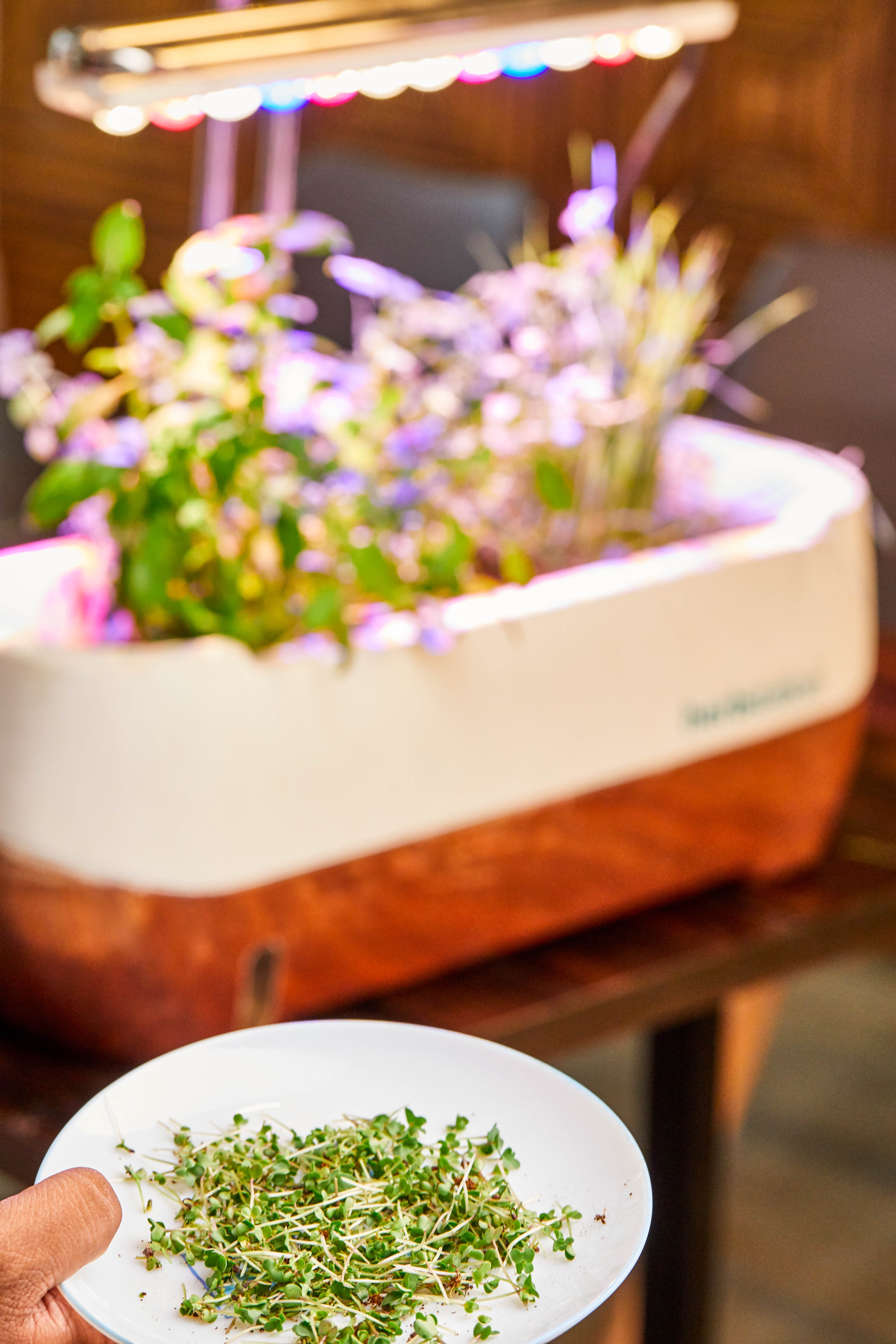
I purchased a small kit made by Back to the Roots. It’s an organic microgreens kit that comes with 2 compostable growing trays, 2 seed packets and 2 expandable soil discs. It was very easy to use. You start by placing the soil disc in the tray and add water. Wait about minute and allow the disc to expand. Then spread the soil in the tray and sprinkle the seeds on top. Cover the tray and let the seeds germinate. After about 2 days the seeds are sprouting and you can remove the lid and just add a little water everyday. That’s it! Within one week I had these delicious microgreens.

The one thing to note is this is a compostable tray that has the potential to leak which can damage surfaces. To be on the safe side I kept my tray on a trivet with a paper towel underneath and it was perfectly fine. It never leaked or got damp.

I used a pair of shears to cut my microgreens at the base and added them to my salad. They tasted absolutely delicious! They’re super easy to grow and super healthy for your body. You can buy a set of 3 kits on Amazon or a single kit from Target. I highly recommend giving them a try.

Hope this inspires you to enjoy a healthy lifestyle. Thanks for stopping by!!!

Share the Happy 💖

“Growing your own food is like printing money.” ~Unknown

Thoughtful Thursday Benefits of Microgreens

Photo by Mikhail Nilov on Pexels.com

Previously I wrote a post about homegrown Alfalfa Sprouts which are excellent for your health. But microgreens are different from sprouts, the most obvious being they are grown in soil where sprouts are grown in water. Another difference is sprouts are ready to be eaten in 5-7 days while microgreens are ready in about 2 weeks.

When eating sprouts you’re eating the entire plant and microgreen are cut near the soil so you only eat the stem and leaves. Microgreens are a powerhouse of nutrition because they pretty much contain all the nutrients of a mature plant but in a highly concentrated form.

Depending on the type of microgreens you grow, they’ll have higher levels of the following nutrients:

  • Iron
  • Zinc
  • Magnesium
  • Copper
  • Polyphenols
  • Antioxidants
  • Vitamin C
  • Calcium
  • Vitamin A
  • Folate
  • Protein
  • Fiber 
  • B Vitamins

These small plants are full of antioxidants, beneficial vitamins and minerals. They help protect the body from heart disease, alzheimer’s, cancer, diabetes, they boost the immune system and brain function, protect your eyes and bones, aid in weight loss, prevent anemia and more.

Microgreens are easy to grow and can be grown year round. There are many types of microgreens that you can grow like arugula, beets, broccoli, cabbage, cauliflower, chard, quinoa, radish, spinach and watercress to name a few. Plus growing your own microgreens is the best way to keep them fresh longer but they’re also available in stores. Either way it’s a win win to improve your health!

Hope you enjoyed this post. Thanks for stopping by!!!

Share the Happy 💖

“To keep the body healthy is a duty, otherwise we shall not be able to keep our mind strong and clear.” ~ Buddha

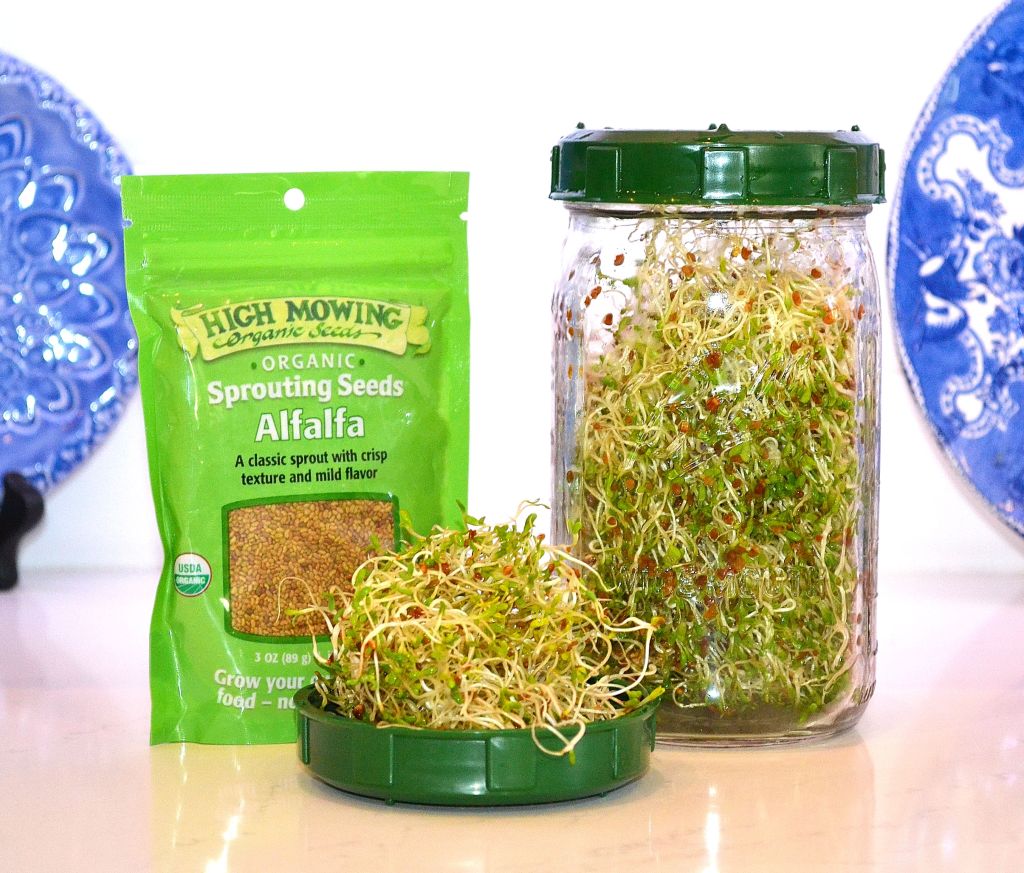
Thoughtful Thursday Homegrown Alfalfa Sprouts

Photo by Maria Vidaurre

Alfalfa sprouts are mild flavored and very nutritious to eat. Studies have shown they are a high anti-oxidant, anti-aging food source. These little sprouts can help fight cancer, lower cholesterol and diabetes, prevent osteoporosis and more.

I used to buy fresh living alfalfa sprouts at my local grocery store but sadly they stopped carrying them. So I decided the freshest and safest way to get them was to grow them myself. I’ve tried several sprouting trays and they don’t always produce the best results.

Getting frustrated, I decided to go back to basics and try using a large, wide mouth mason jar with a sprouting lid. This is working beautifully and is very easy. I only need 1 Tbsp of seeds and in about 4 days, I have fresh organic alfalfa sprouts that are delicious and crisp. The sprouts can be stored in the fridge for about 4-6 days.

Alfalfa Sprouts taste great on salads, sandwiches, in smoothies and anything else you can think of. Below are instructions to grow your own spouts and links to Amazon.com for the supplies.

Instructions to Grow your own Sprouts:

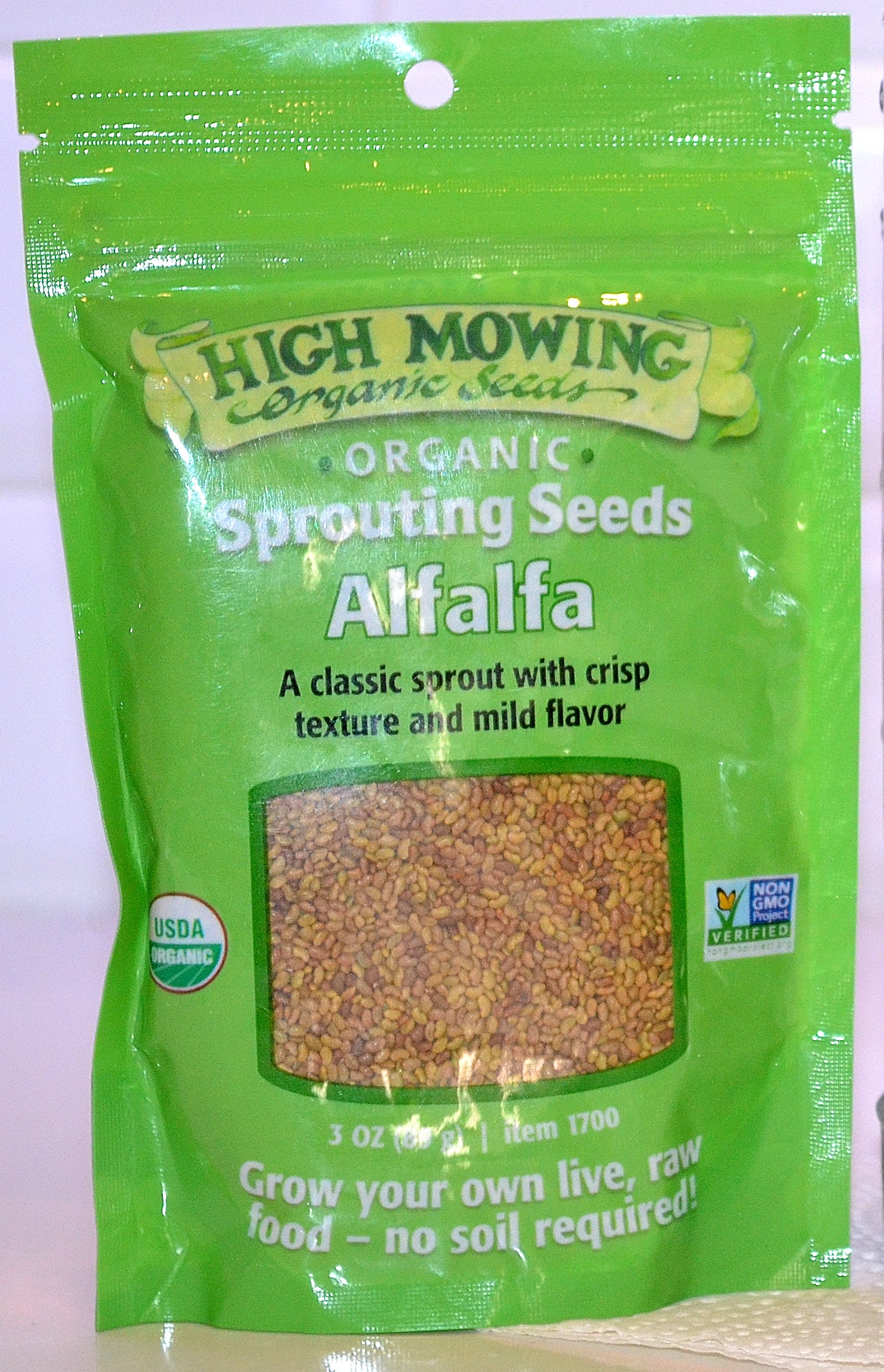
  1. Fill a wide mouth mason jar with 2 cups of cool, fresh water and add 1 Tbsp of High Mowing Organic Alfalfa Seeds (I’ve had good results with this brand, the seeds are sourced in the United States). Cap the jar with a sprouting lid and soak the seeds for 8 hours. Then drain and rinse the seeds keeping the lid on. Store the jar upside down, in a bowl, at an angle so water can continue to drain.
  2. Rinse and drain the seeds with the lid on once in the morning and once at night. And again store the jar upside down, in a bowl, at an angle.
  3. Repeat step 2, everyday for about 4 days until your sprouts are ready.
  4. On the last day, depending on the light in your kitchen, you may want to move the grown sprouts to a window where they can get indirect sunlight to make them a little more green. You only need to keep them there for a few hours and then store them in fridge until you’re ready to eat them (also, I rinse the seeds before eating to remove the hulls).

I hope this inspires you in some way!

Thanks for stopping by!!

Share the Happy 💖

Below are links to Amazon.com for the supplies:

High Mowing Organic Alfalfa Seeds

High Mowing Seed Sprouting Jar Lid

Wide Mouth Mason Jar

“Those who think they have not time for healthy eating, will sooner or later have to find time for illness.” ~Unknown