Thoughtful Thursday What’s in your fruit?

Photo by Carlo Martin Alcordo on Pexels.com

I remember shopping at the grocery store when I was a kid with my mom and being able to buy fruits only when they were in season. I also remember everything bursting with flavor and aroma. But if you go shopping today, pretty much every fruit is available year round from all around the world and sadly they don’t taste or smell as good as they used to.

After doing a little research I found that many fruits are artificially ripened using different chemicals and here’s why: In order for fruit to ripen naturally, it must contain ethylene, a gaseous plant hormone. Green, unripen fruits have low levels of ethylene. But as the fruit matures ethylene production increases and signals the plant it’s time to ripen the fruit. Even after the fruit is harvested, ethylene continues to be produced and as a result it decreases the shelf life of fruits.

Scientists came up with a way to extend the shelf life of fruits by picking them while green and ripening them with artificial ripening agents. However, this process is highly contested around the world because of the health risks associated with these ripening agents. It is said that consuming fruits, on a regular basis which have been artificially ripened can cause heart conditions, lightheadedness, and even skin ulcers depending on the ripening agents used. Thankfully most of the world banned the use of the really toxic agents but there are a few countries which still allow them to be used.

The reason the fruits don’t taste as good as they used to is because by artificially ripening the fruits only the external peel actually ripens. The inside of the fruit will basically remain green and raw. I’ve had avocados which I left out to ripen on the counter but they never did. After some time I ended up cutting them open only to find they were rotting from the inside out and now I know why.

With almost 80% of fruits being artificially ripened, I’m left scratching my head. It’s hard to tell what has been artificially ripened and what hasn’t unless you contact the companies and find out. Apparently, organic fruits aren’t excluded from this process but are less likely to be artificially ripened.

So what do you do? Fruits are very important for a healthy diet. Your best bet is to go back to the old ways and buy locally grown produce that will “hopefully” not be treated with these artificial agents. An even better idea is to plant a small garden and grow your own food. Mother nature made growing many plants fairly easy and you’ll have better control over your health plus you’ll reduce your grocery bill too.

Hope you found this post helpful, thanks for stopping by!!

Share the Happyđź’–

“A garden feeds more than the table, it feeds the soul.” ~Unknown

Photo by Karen Lau00e5rk Boshoff on Pexels.com

Thoughtful Thursday What’s in your bottled water?

Photo by Steve Johnson on Pexels.com

Would you intentionally ingest plastic? But if you drink bottled water which is sold in all types of plastic containers, that’s exactly what you’re doing.

Water is the source of all life on this planet and we each need our daily supply if we want to be healthy. But consuming plastic can’t be good for our bodies. I would prefer water bottled in a glass container which is how it was originally done but that’s not practical in today’s world.

Bottled water had been sold as early as 1622 in the United Kingdom’s Holy Well bottling plant. It was believed that natural springs had healing properties and the water was sold as a medicinal remedy. Jackson’s Spa in Boston was the first to sell bottled water in 1767.

Great technological advancements were made in the 19th century in producing glass containers that were efficient and practical. And thus Saratoga Springs in Saratoga New York started producing and selling seven million bottles of water a year in 1856.

It wasn’t until the 1930’s that plastic bottles began replacing the glass water bottles. Almost 100 years later these plastic bottles have became a refuse nightmare this planet. In the US consumers purchase about 50 billion water bottles a year which adds up to a lot of waste especially because they can last for hundreds of years before decomposing in landfills and sadly many end up in our oceans.

Now here’s where it gets pretty scary. Studies showed that 93% of samples taken from 259 popular bottled water brands, sold in several countries contained “microplastic” synthetic polymer particles, in other words tiny pieces of plastic. They also found that many of those particles were visible to the naked eye.

It was also rumored if the bottled water is heated (like leaving it in the car) or refrigerated/frozen it caused more plastic particles to seep into your water. Supposedly there were studies done claiming this rumor was false or is it true?

Bottom line is you need to take care in the amount of bottled water you consume because every time you drink it, your ingesting plastic. Personally, I try not to drink it whenever possible but sometimes you don’t have a choice. So opt for filtered fresh water or water bottled in a glass container whenever possible.

Thanks for stopping by!!

Share the Happyđź’–

Photo by Pixabay on Pexels.com

Thoughtful Thursday – Earth Day

Earth Day is being celebrated this Saturday, April 22, 2023. It’s origins began in 1970 as a way to change the public’s outlook and bring awareness to environmental issues plaguing our beautiful planet.

Almost 7 billion people share this amazing planet with 10 million animal species and 300,000 plant species. That’s a lot of inhabitants when you think about it. Plus the entire surface of the earth is a series of connected ecosystems that provide precious resources that sustain all life here on Earth. So it’s imperative that we take care of our planet.

We live a world of plastic and although it was a great invention because it made so many things possible, it may also be our undoing. Stats show that in 2021 there was 363,762,732,605 pounds of plastic polluting the world’s oceans. Plus microplastics which are tiny pieces of plastic can be found in almost all water systems around the world including rivers, lakes, streams and oceans. It is said that there is more microplastic in the ocean than there are stars in the Milky Way. These are very scary stats because where does that leave us in 10, 20 and even 50 years from now? Will this planet be able to sustain life at all?

We all need to pitch in and do our part to reduce, reuse and recycle. We need to work together to come up with better ideas and solutions to reducing our footprint on this planet. So that life will continue to thrive.

What are some of the things you do to help make a better tomorrow?

Thanks for stopping by!

Share the Happyđź’–

“We do not inherit the earth from our ancestors, we borrow it from our children.” ~Unknown

Source: Earth Day Fact Sheet

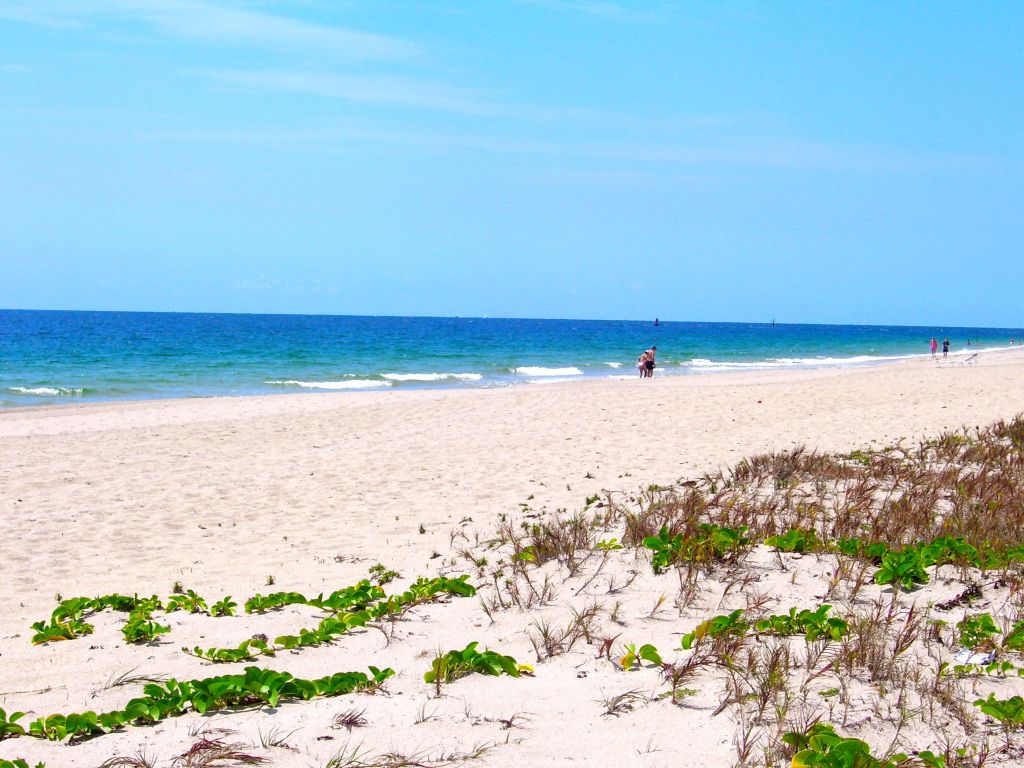
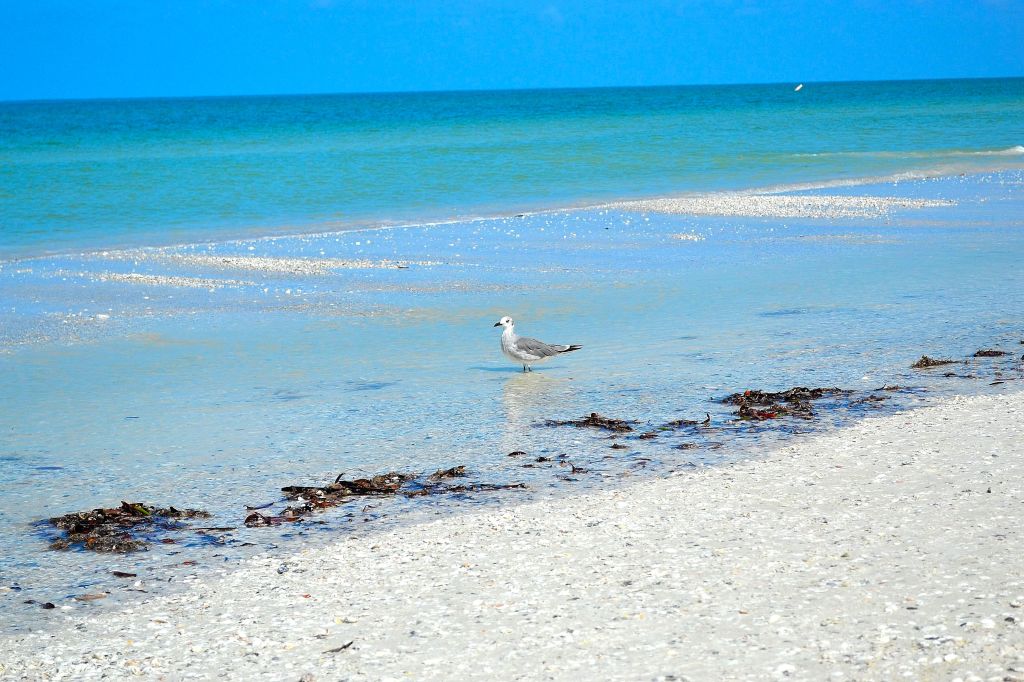
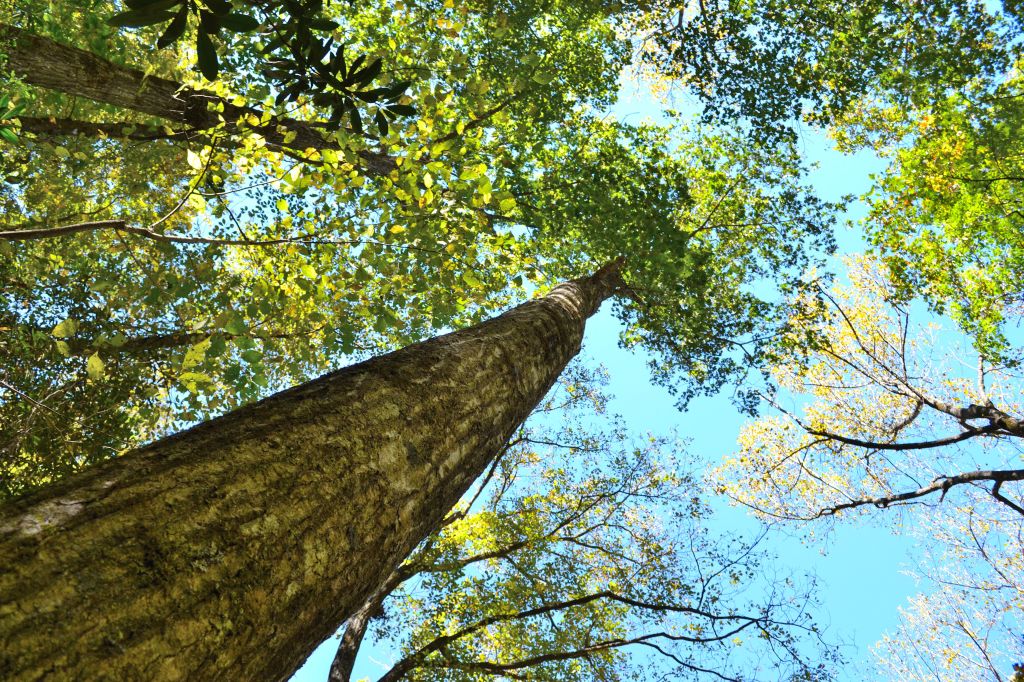
All photos in the slide presentation above were taken by Maria Vidaurre

Thoughtful Thursday – Earth Day

Photo taken by Maria Vidaurre, Marco Island, FL

Earth Day started April 22, 1970, as a way to bring awareness to environmental issues and changing the public’s outlook. We are all interconnected on this planet. Every action causes an equal reaction whether it be good or bad.

Everyone chooses their battles to fight. Some battle to reduce air pollution while others battle for the forests. My battle is for the oceans because they are one of the biggest sources of life on this planet. It’s heartbreaking to see the islands of plastic that have formed as a result of dumping garbage into the oceans. Some of the plastic breaks down, pollutes the waters and eventually settles on the ocean floors. Marine animals mistake plastics for food causing them to get sick or even die.

As humans we consume tons of fish, crabs, lobsters and shrimp from the oceans every year. With the amount of plastics, garbage and toxins that have been dumped into the oceans the marine life has become toxic for humans to eat. Yet it still is a very large food source for us, so what does that say about the state of our health?

This is just one small part of a much larger problem in the oceans and I could go on and on about the issues at hand, but I think you get the gist of it. Everyday we wake up we need to be mindful of the role we play on this planet and be proactive in taking care of Mother Earth so we will have a beautiful tomorrow.

What are some of the things you do to help make a better tomorrow?

Thanks for stopping by!

“We do not inherit the earth from our ancestors, we borrow it from our children.” ~Unknown

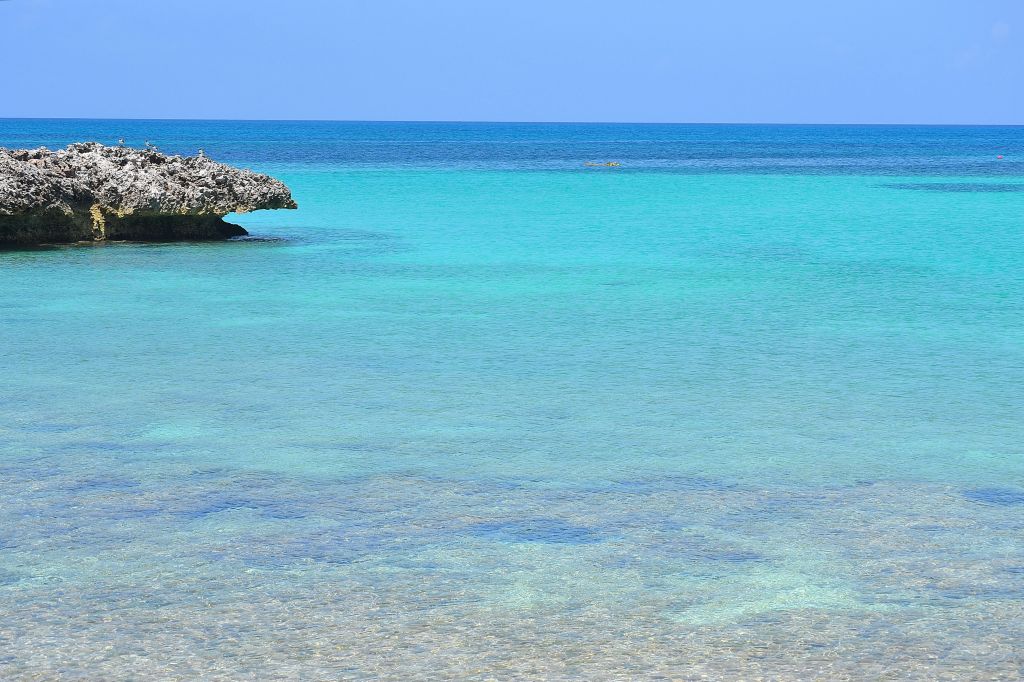
All photos above in the slide presentation were taken by Maria Vidaurre, Bahamas.