
Reduce Your Environmental Footprint at Home

Photo by Photo By: Kaboompics.com on Pexels.com

Creating a more sustainable home doesn’t have to be complicated or expensive. Small, mindful changes can significantly reduce your environmental footprint while also saving money and improving your well-being. Whether you’re just starting your eco-friendly journey or looking to take it to the next level, these simple tips will help you build a greener, healthier home.

1. Switch to Energy-Efficient Lighting
Replace incandescent bulbs with LED or CFL lights. They use less energy, last longer, and save you money on your electricity bill.

2. Reduce Water Waste
Install low-flow showerheads and faucets, fix leaks promptly, and collect rainwater for watering plants. Small steps can lead to big savings in water usage.

3. Choose Sustainable Materials
Opt for furniture and decor made from reclaimed wood, bamboo, or recycled materials. Eco-friendly paints and finishes also help reduce indoor air pollution.

4. Minimize Single-Use Plastics
Switch to reusable bags, containers, and glass or stainless steel water bottles. Reducing plastic waste helps keep our planet cleaner.

5. Improve Home Insulation
Proper insulation keeps your home warm in winter and cool in summer, reducing energy consumption. Consider weather-stripping doors and windows to prevent drafts.

6. Compost and Recycle
Start composting food scraps and yard waste to reduce landfill contributions. Set up a recycling station to make sorting waste easier.

7. Grow Your Own Food
Even a small herb garden can make a difference! Growing your own produce reduces transportation emissions and ensures fresh, chemical-free food.

Making your home more eco-friendly doesn’t have to be overwhelming. Start small, and gradually incorporate more sustainable habits into your daily life. Every positive change, no matter how minor, contributes to a healthier planet.

Thanks for reading! I hope you found these tips helpful. If there’s a topic you’d love to see covered in a future Thoughtful Thursday post, let me know—I’d be happy to explore it! 😊

Share the Happy💖
Thoughtful Thursday Dryer Sheets vs Dryer Balls

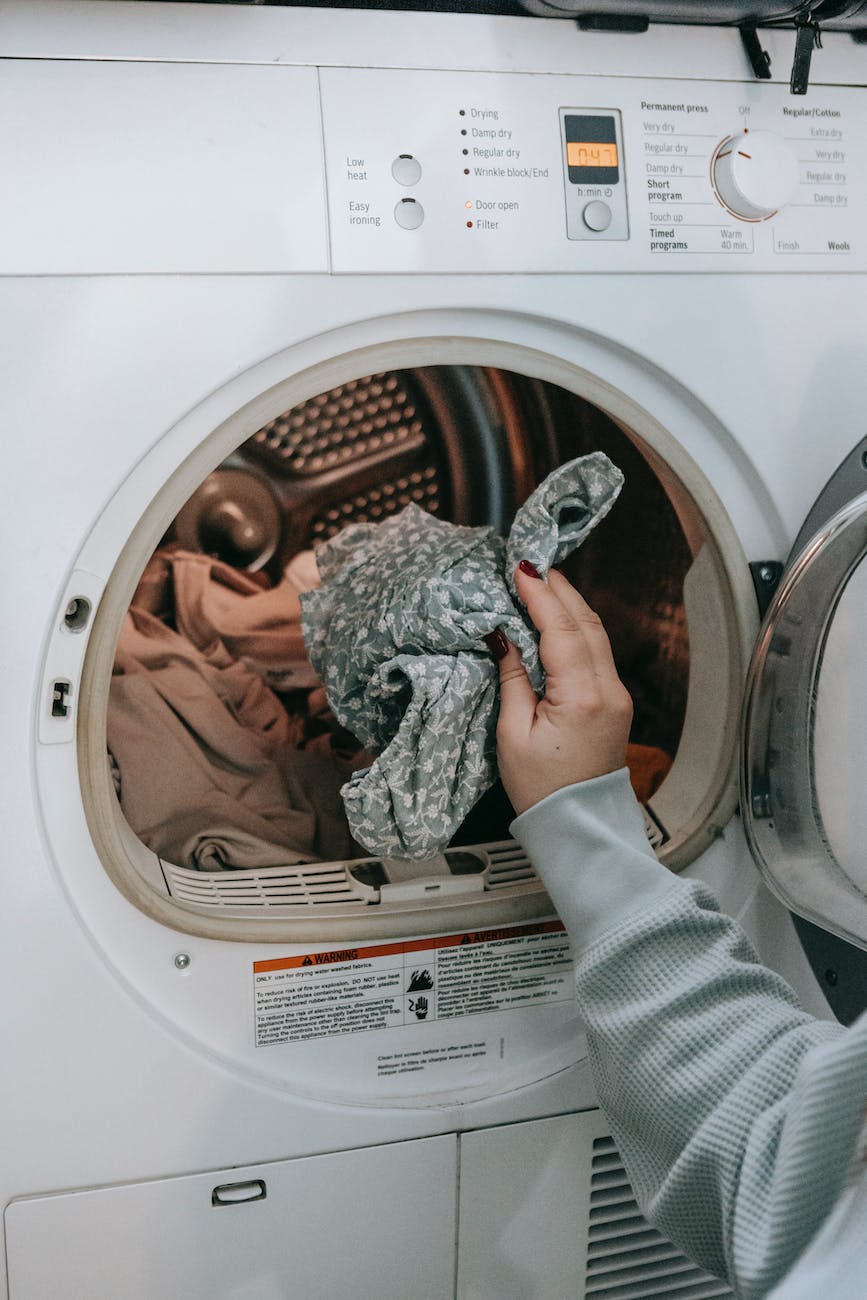
Photo by Sarah Chai on Pexels.com

Laundry is never ending and so is the expense. But if you want your clothes to feel soft, be static free and have a nice scent you need to add a new dryer sheet to every load of laundry and that’s costly.

The majority of dryer sheets are made from a thin polyester material that’s coated with a softening agent and lots of chemicals including fatty acids, fatty alcohols, alcohol ethoxylates, stearic acid plus harsh perfumes. None of which are healthy for your body and the waste isn’t healthy for the planet.

Luckily there’s an alternative to these sheets, dryer balls. The dryer balls work by bouncing around in the dryer, separating clothes and allowing air to circulate more efficiently. As a result they soften your clothes and reduce drying time, wrinkles and static cling. Plus there are no harsh chemicals.

I’ve used dryer balls for years and love them. I started with the plastic kind shown below on the right and they worked great. But eventually they broke down and had to be replaced with new ones that gave off a slight plastic odor which I wasn’t crazy about.

I thought there had to be a better way so I did a bit of research for a natural alternative and found wool dryer balls (shown above on the left). I followed an online tutorial at DIY Natural to make your own set which required roving wool and that can be hard to find in South Florida.

Fortunately, there are quite a few companies that make and sell dryer balls online. This is a link to the set I purchased a year ago on Amazon and they’re still going strong! The best part is you can add your own essential oils to wool dryer balls and freshen your laundry, naturally without harsh chemicals. Plus you’ll save loads of money and reduce waste. It’s a win-win!!

Hope you enjoyed this post today, thanks for stopping by!!

Share the Happy💖

Thoughtful Thursday – Earth Day

Earth Day is being celebrated this Saturday, April 22, 2023. It’s origins began in 1970 as a way to change the public’s outlook and bring awareness to environmental issues plaguing our beautiful planet.

Almost 7 billion people share this amazing planet with 10 million animal species and 300,000 plant species. That’s a lot of inhabitants when you think about it. Plus the entire surface of the earth is a series of connected ecosystems that provide precious resources that sustain all life here on Earth. So it’s imperative that we take care of our planet.

We live a world of plastic and although it was a great invention because it made so many things possible, it may also be our undoing. Stats show that in 2021 there was 363,762,732,605 pounds of plastic polluting the world’s oceans. Plus microplastics which are tiny pieces of plastic can be found in almost all water systems around the world including rivers, lakes, streams and oceans. It is said that there is more microplastic in the ocean than there are stars in the Milky Way. These are very scary stats because where does that leave us in 10, 20 and even 50 years from now? Will this planet be able to sustain life at all?

We all need to pitch in and do our part to reduce, reuse and recycle. We need to work together to come up with better ideas and solutions to reducing our footprint on this planet. So that life will continue to thrive.

What are some of the things you do to help make a better tomorrow?

Thanks for stopping by!

Share the Happy💖

“We do not inherit the earth from our ancestors, we borrow it from our children.” ~Unknown

Source: Earth Day Fact Sheet

All photos in the slide presentation above were taken by Maria Vidaurre

Thoughtful Thursday – Earth Day

Photo taken by Maria Vidaurre, Marco Island, FL

Earth Day started April 22, 1970, as a way to bring awareness to environmental issues and changing the public’s outlook. We are all interconnected on this planet. Every action causes an equal reaction whether it be good or bad.

Everyone chooses their battles to fight. Some battle to reduce air pollution while others battle for the forests. My battle is for the oceans because they are one of the biggest sources of life on this planet. It’s heartbreaking to see the islands of plastic that have formed as a result of dumping garbage into the oceans. Some of the plastic breaks down, pollutes the waters and eventually settles on the ocean floors. Marine animals mistake plastics for food causing them to get sick or even die.

As humans we consume tons of fish, crabs, lobsters and shrimp from the oceans every year. With the amount of plastics, garbage and toxins that have been dumped into the oceans the marine life has become toxic for humans to eat. Yet it still is a very large food source for us, so what does that say about the state of our health?

This is just one small part of a much larger problem in the oceans and I could go on and on about the issues at hand, but I think you get the gist of it. Everyday we wake up we need to be mindful of the role we play on this planet and be proactive in taking care of Mother Earth so we will have a beautiful tomorrow.

What are some of the things you do to help make a better tomorrow?

Thanks for stopping by!

“We do not inherit the earth from our ancestors, we borrow it from our children.” ~Unknown

All photos above in the slide presentation were taken by Maria Vidaurre, Bahamas.

Thoughtful Thursday

Photo by Skitterphoto on Pexels.com

Soap Nuts

Soap nuts, also known as Sapindus mukorossi are native to India and Nepal. They are not nuts, but actually a fruit, a berry to be specific. However, when you dry them, it forms a hard outer shell that looks like a nut. The shell contains saponin, a natural detergent. Saponin gets released when the shell absorbs water, it also softens your clothes. Soap nuts are a great alternative for people with allergies who need a chemical free detergent.

To use soap nuts you would need to put about 4-6 of them in a muslin bag and then toss it in your washing machine with your laundry. If you prefer a scent just add essential oils to the muslin bag before tossing them in. Soap nuts don’t create a lot of bubbles and can be used several times before they break down. They are very eco friendly and cost effective!

You can also use soap nuts to make facial washes, shampoos and natural soaps. I found quite a few site online that sell soap nuts. So I’m going to buy some and see how it goes.


“Earth provides enough to satisfy every man’s needs, but not every man’s greed.” ~Mahatma Gandhi

Thanks for stopping by. Share the Happy!
Photo by Karolina Grabowska on Pexels.com