

As awareness of health and environmental issues continues to grow, more people are turning to organic produce to reduce their exposure to pesticides and support sustainable farming practices. While buying all organic can be costly, alternatively you can focus on certain fruits and vegetables to maximize the benefits.
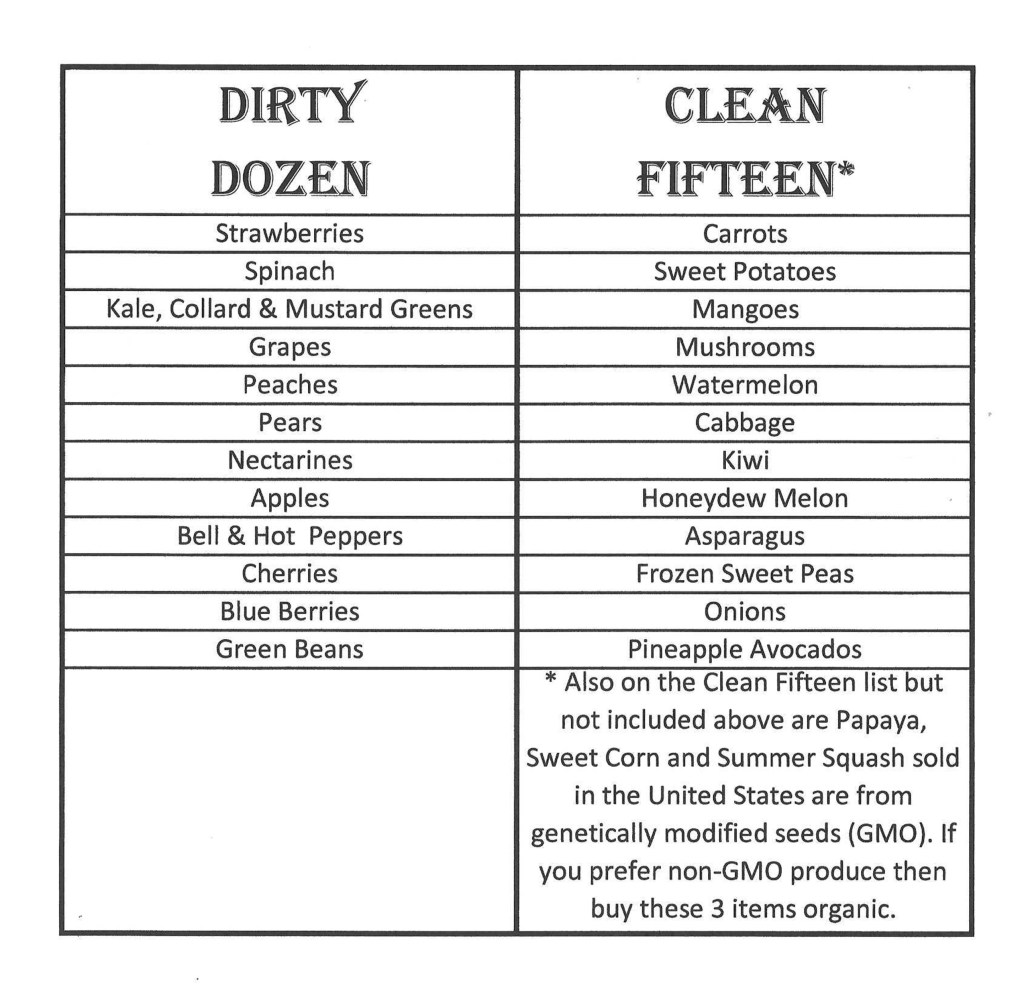
The Environmental Working Group (EWG) publishes two primary lists every spring, the “Dirty Dozen” which is safest to buy organic and the “Clean Fifteen” which is safest to buy conventionally.
Here are some tips on making shopping for organic produce easier on the wallet:
- Shop Seasonally: Organic produce is often cheaper when it’s in season.
- Visit Farmers Markets: Local farmers markets can offer fresh, organic produce at competitive prices.
- Join a CSA: Community Supported Agriculture (CSA) programs allow you to buy shares of organic produce directly from local farmers.
- Grow Your Own: If you have space, growing your own organic fruits and vegetables can be a rewarding and cost-effective option.
- Prioritize the Dirty Dozen: Focus your organic purchases on the produce listed in the Environmental Working Group’s (EWG) Dirty Dozen, which highlights fruits and vegetables with the highest pesticide residues.
By prioritizing these key fruits and vegetables, you can significantly reduce your pesticide exposure and enjoy healthier produce. Making informed choices about organic options supports sustainable farming and contributes to a healthier planet.
Would love to hear from you! Share your experiences and tips on buying organic produce in the comments. For example: How do you prioritize your organic purchases? Do you have favorite markets or creative ways to save on organic options? Let’s foster a community of shared knowledge for healthier, sustainable choices✨
Hope you found this post useful, thanks for stopping by!!
Share the Happy💖





 Flowing Waters Art