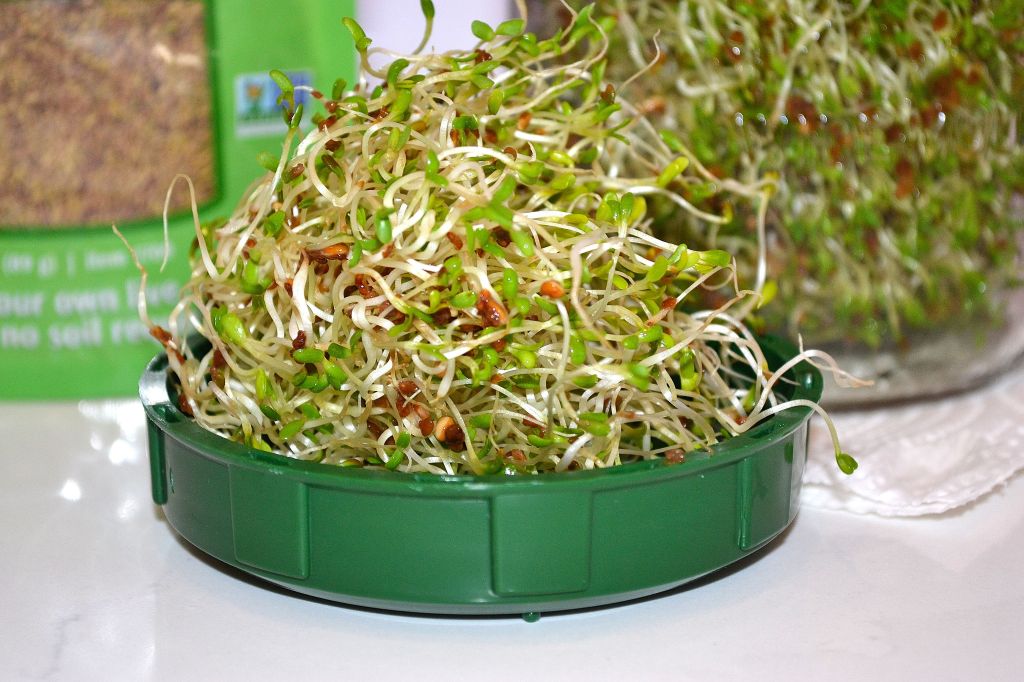
Thoughtful Thursday Easy Homegrown Sprouts

Last week I talked about the Benefits of Growing your own Sprouts and today I’m excited to guide you through the simple process of growing them indoors. You’ll be amazed at how effortless it is! All you need are a few basic supplies all of which are available on Amazon or possibly in your local health food or grocery stores. I’ve included some links in the supply list below but there are many options.

Supplies:

Instructions:

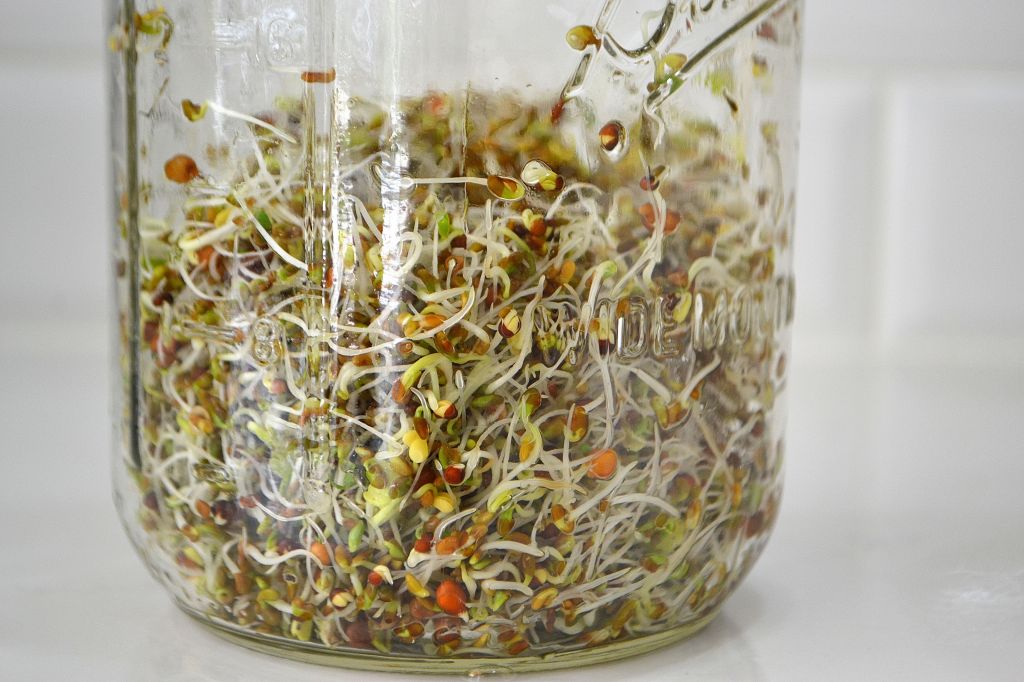
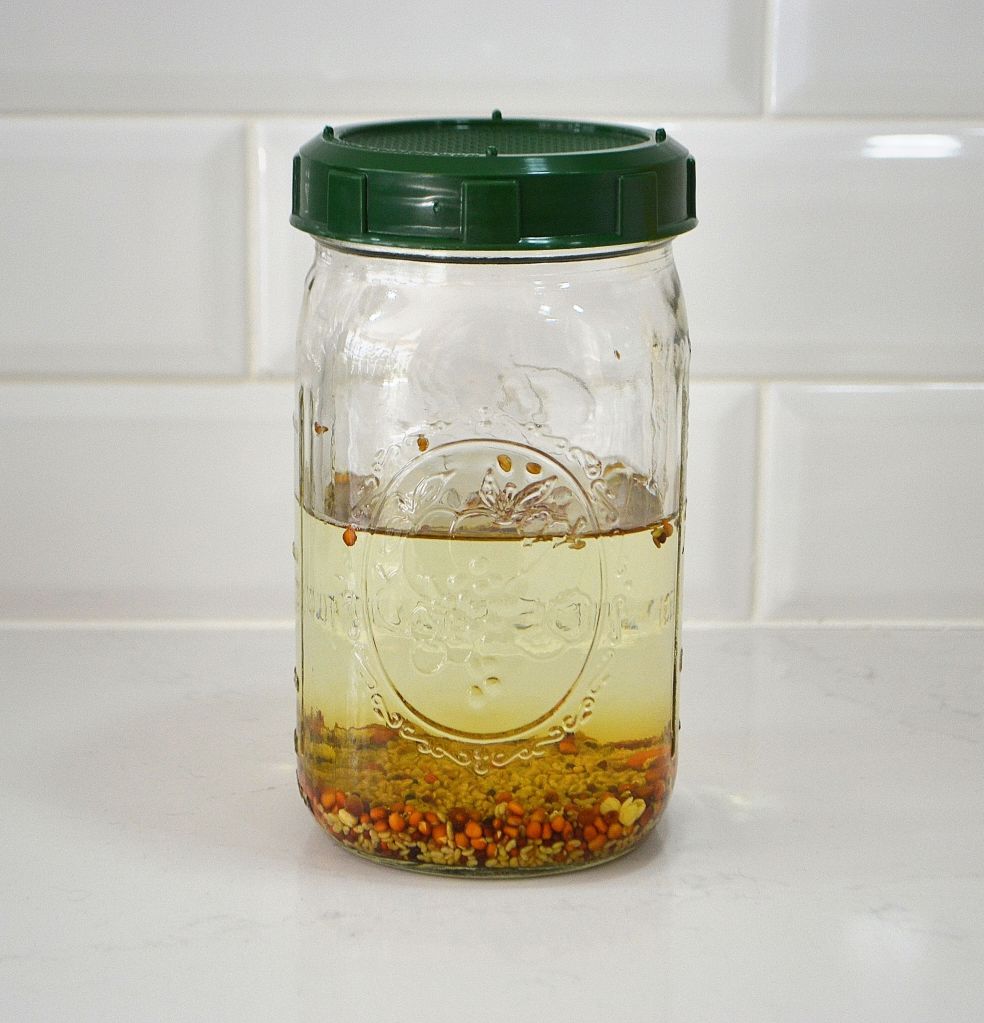
  1. Fill your mason jar with 2 cups of water and add 1-1.5 tablespoons of seeds. Gently mix the seeds in the water (sometimes they clump together). Place the sprouting lid on and let them soak overnight for 8-12 hours. Follow the recommendation on the seed packet.
  2. Rinse the seeds 2-3 times until the water is mostly clear.
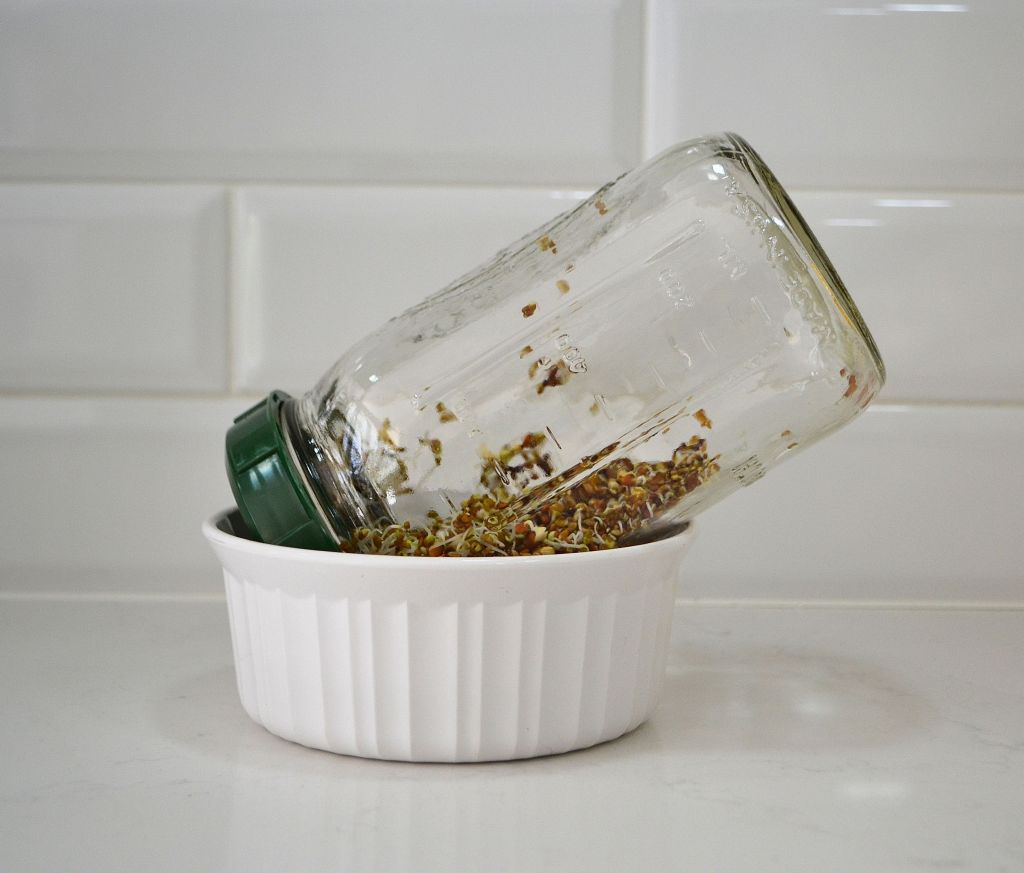
  3. Invert the jar and let it slant slightly inside a bowl allowing the remaining water to drain from the seeds (see pictures below).
  4. Rinse the seeds 2-3 times per day, and put them back into the bowl inverted. Florida is very humid so I only rinse 2 times per day. If you use too much water, you may grow mold so adjust this based on your environment.
  5. Depending on the seeds you have it will take about 4-5 days to get sprouts. At that point they may be yellow so place them on a sunny windowsill to help turn them green.
  6. Give them a final rinse and remove any of the seed hulls. Put the sprouts back into the jar and store in the fridge. Now they’re ready for you to enjoy!

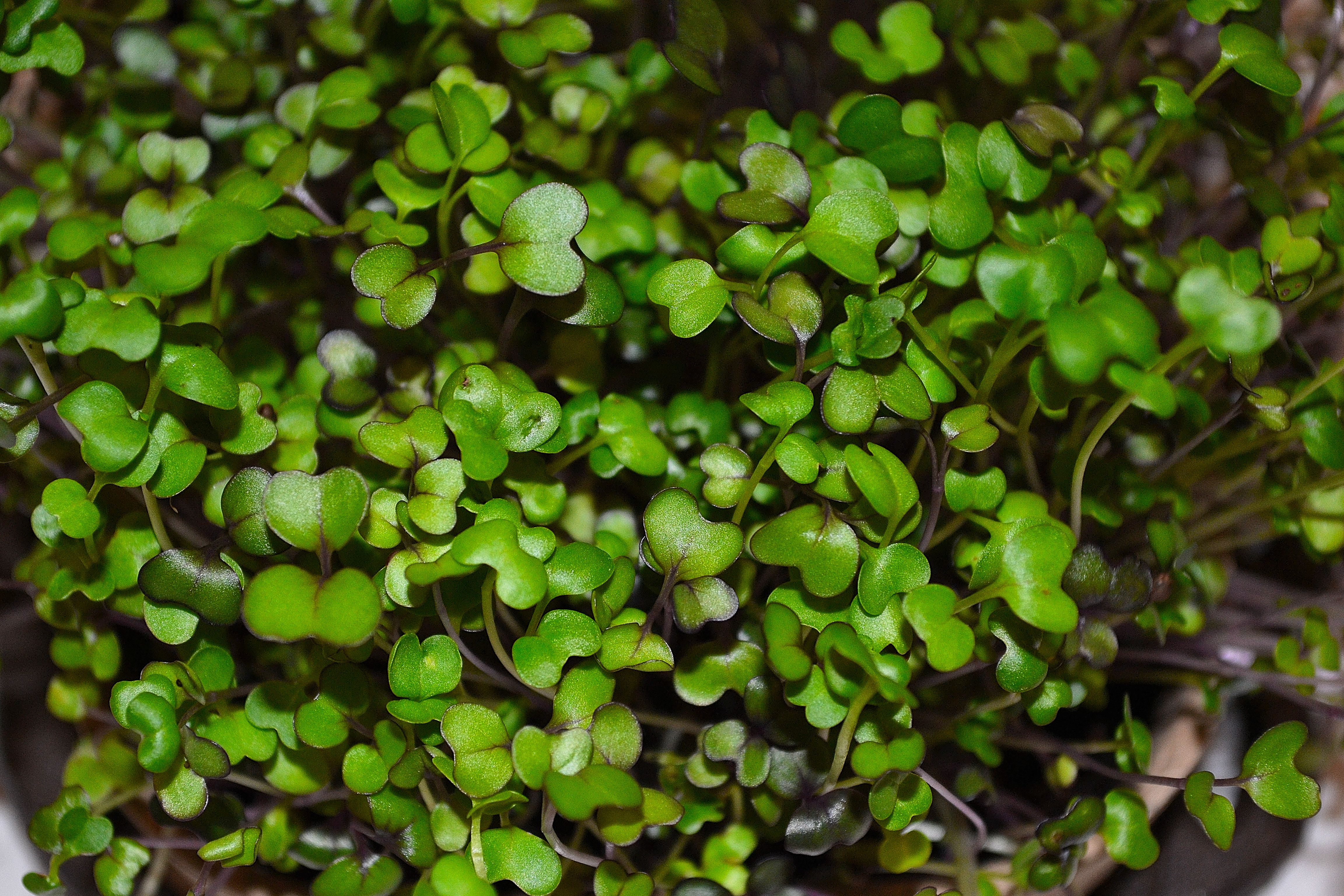
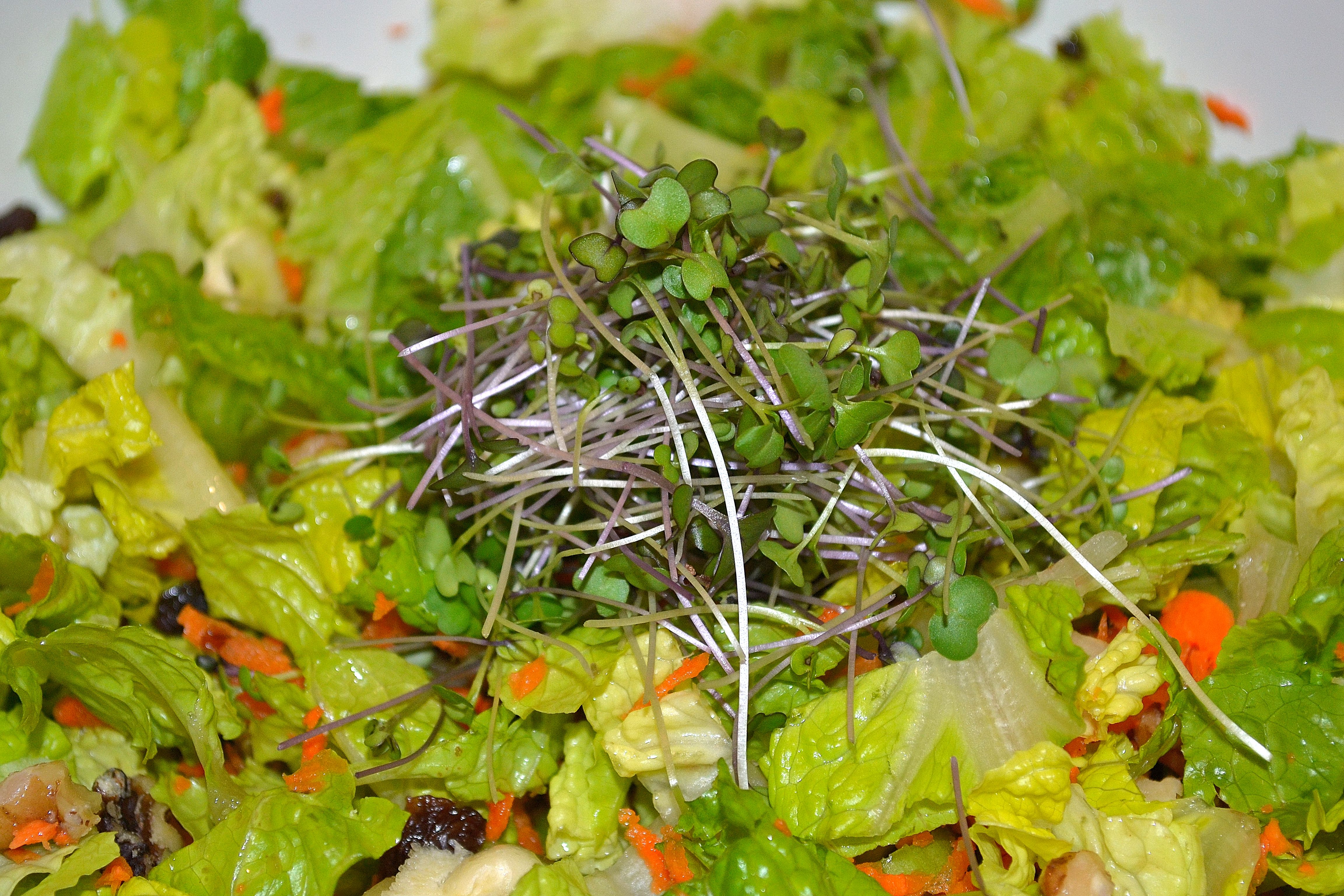
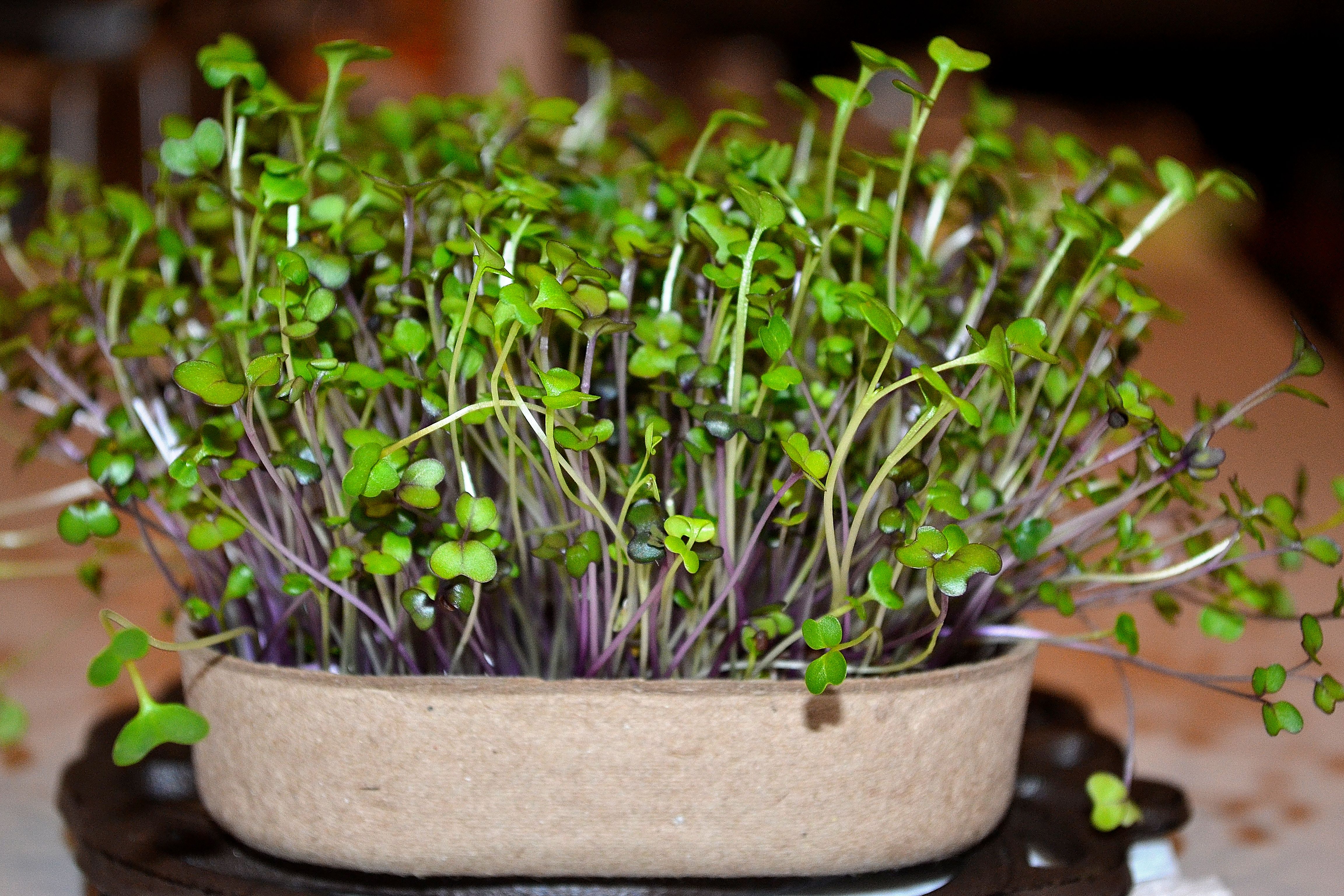
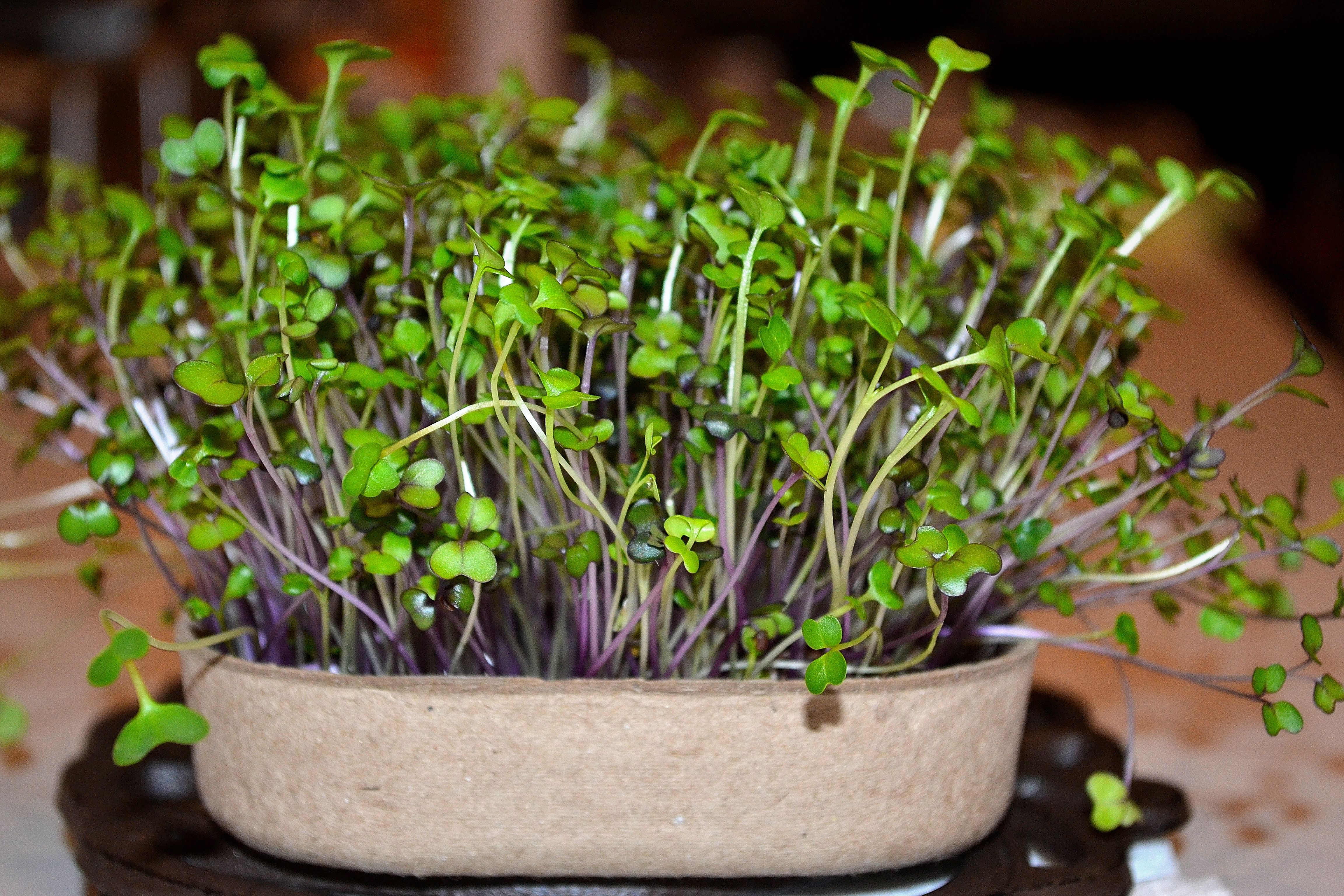
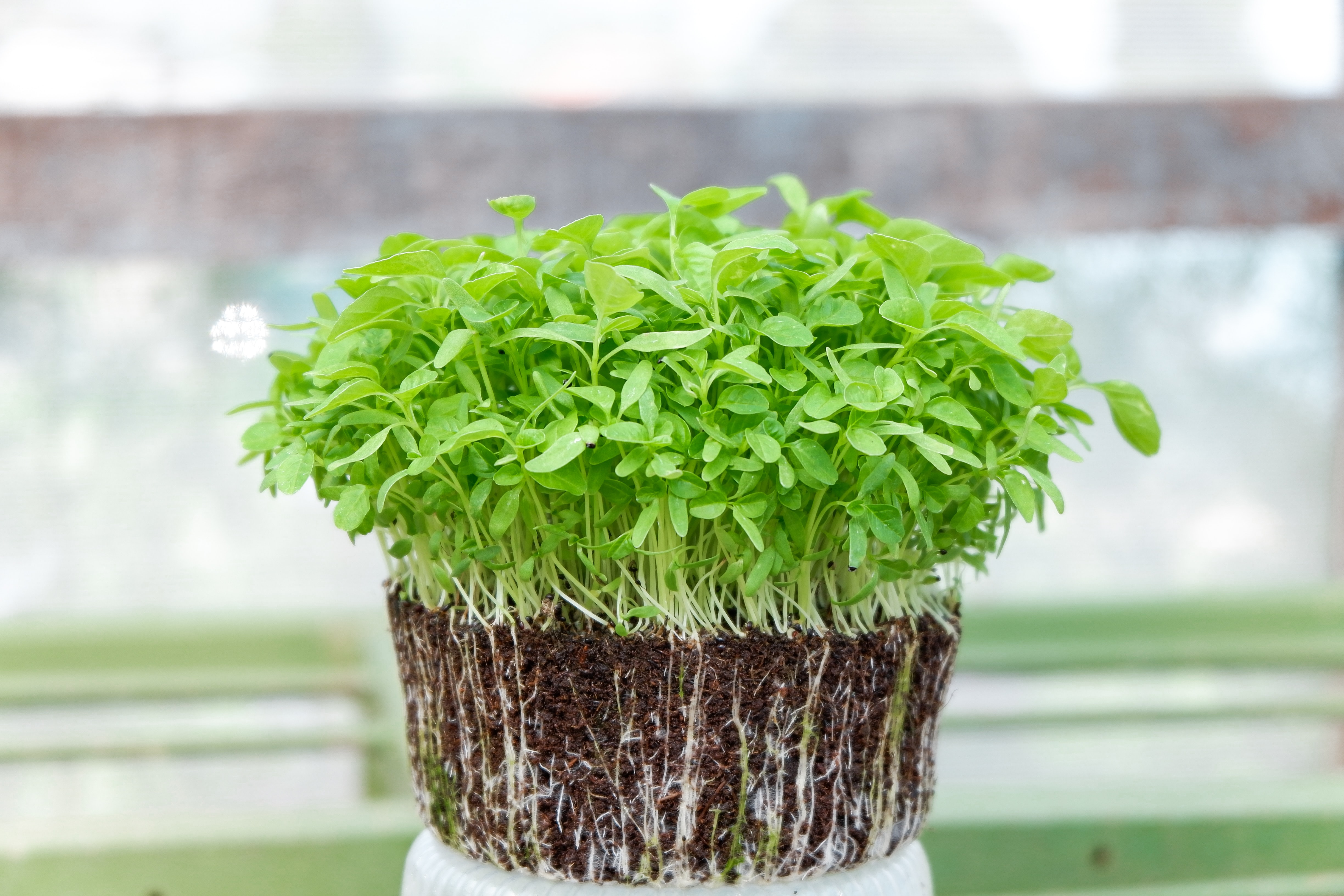
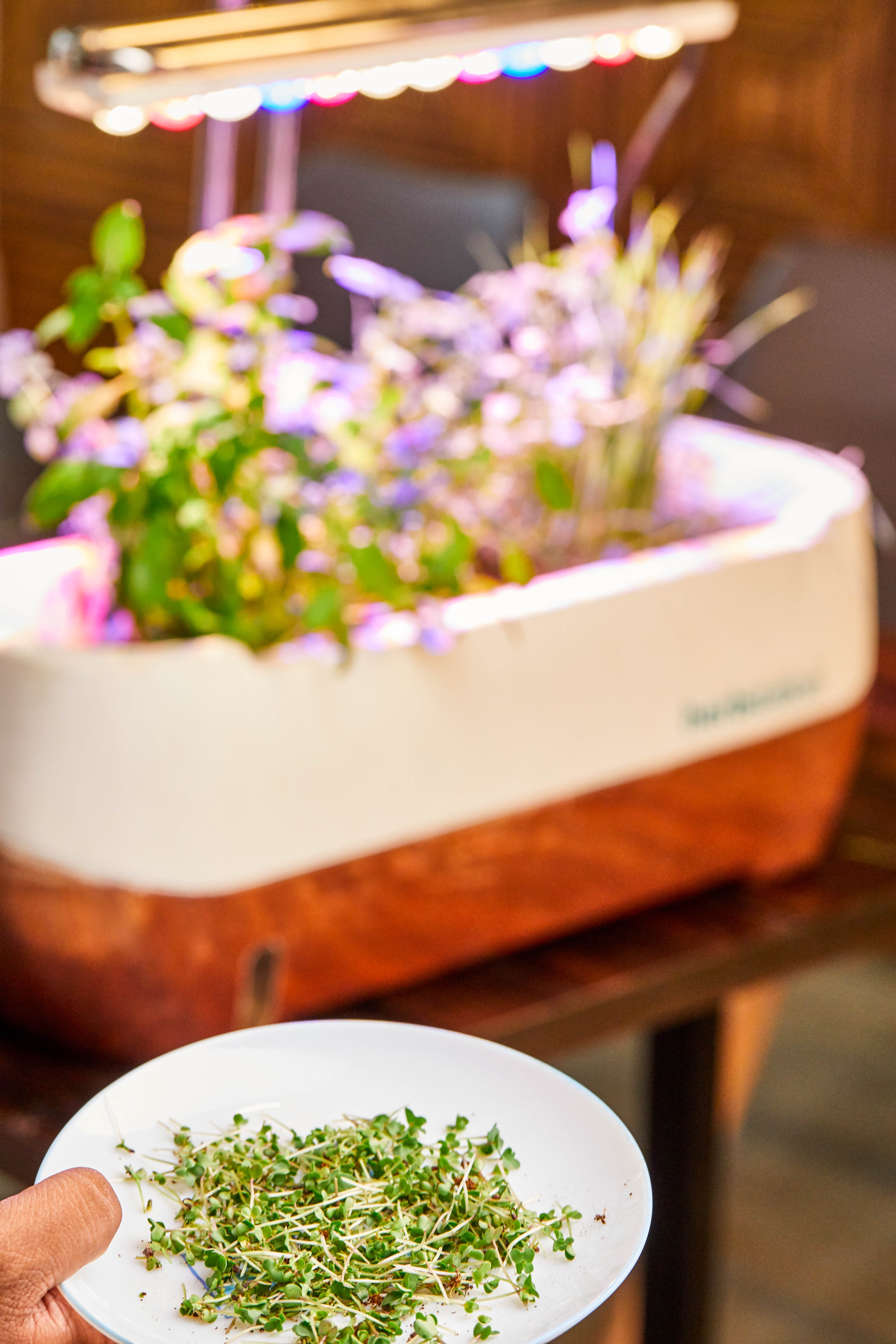
Through my experimentation, I’ve observed that alfalfa tends to sprout faster than broccoli. However, in the photos you see here, I’ve opted for a salad mix variety, which not only sprouts delightfully but also boasts a delicious blend of organic radish, broccoli, and alfalfa. These sprouts aren’t just nutritious; they’re versatile too! I enjoy incorporating them into salads, blending them into smoothies, and using them as a flavorful garnish on a variety of vegan dishes. They truly elevate any meal!

Growing your own sprouts at home is not only easy and rewarding but also adds a fresh and nutritious touch to your culinary adventures. Whether you’re a salad enthusiast, or a smoothie aficionado these vibrant sprouts are sure to delight your taste buds and nourish your body. So why wait? Start sprouting today and embark on a journey of delicious and wholesome eating!

Thanks for stopping by!

Share the Happy 💖

“Good nutrition creates health in all areas of our existence. All parts are interconnected.” ~T. Collin Campbell
Thoughtful Thursday Benefits of Sprouts

Growing your own sprouts isn’t just about adding a fresh touch to your salads or sandwiches – it’s also a gateway to a treasure trove of health benefits. Here’s why cultivating these tiny powerhouses at home might just be one of the best things you can do for your well-being.

  1. Nutrient Powerhouse: Sprouts are bursting with essential nutrients, including vitamins, minerals, enzymes, and antioxidants. As they germinate, their nutritional content skyrockets, making them a concentrated source of goodness for your body.
  2. Digestive Health: Sprouts are packed with dietary fiber, which is crucial for digestive health. Fiber promotes regular bowel movements, helps prevent constipation, and supports a healthy gut microbiome, which is linked to overall well-being.
  3. Boosted Immunity: Rich in vitamins C and A, sprouts can give your immune system a much-needed boost. These vitamins are known for their immune-boosting properties, helping your body fend off infections and illnesses.
  4. Antioxidant Support: Sprouts contain an abundance of antioxidants, such as flavonoids and phenolic compounds, which help combat oxidative stress and inflammation in the body. By neutralizing free radicals, antioxidants may reduce the risk of chronic diseases and support longevity.
  5. Weight Management: With their low-calorie content and high nutritional value, sprouts can be a valuable addition to a weight management plan. They provide satiety without adding excess calories, making them a smart choice for those looking to maintain a healthy weight.
  6. Heart Health: Sprouts are a good source of heart-healthy nutrients like potassium and magnesium, which help regulate blood pressure and support cardiovascular health. Additionally, their fiber content can help lower cholesterol levels, reducing the risk of heart disease.
  7. Convenience and Cost-Effectiveness: Growing your own sprouts at home is not only easy and fun but also cost-effective. With just a few simple tools and minimal space, you can enjoy a constant supply of fresh, nutritious sprouts without breaking the bank.

Growing your own sprouts is a simple yet powerful way to enhance your health and well-being. Whether you’re looking to boost your immunity, support digestive health, or simply add more nutrient-rich foods to your diet, sprouts are a delicious and versatile option that can be enjoyed in countless ways. So why not start sprouting today and reap the countless benefits for yourself? Your body will thank you!

Stay tuned… next week I’ll show you how easy it is to grow your own sprouts at home. Thanks for stopping by!!!

Share the Happy 💖

“Your diet is your bank account. Good food choices are a good investment.” ~Bethanny Frankel

Thoughtful Thursday Microgreens vs Sprouts

Microgreens and Sprouts are both very healthy additions to your diet especially if you’re trying to get all of your essential minerals and vitamins without pills or supplements. Both of these can help you lose weight, lower your cholesterol and even help improve your mental health and so much more. But what exactly is the difference?

For starters microgreens are young shoots of a plant while sprouts are germinated seeds. Microgreens you’re eating the small plant minus the roots because you cut them at the soil whereas sprouts you’re eating the whole thing. Another difference is in how they’re grown. I created the chart below to give you a better idea:

In regards to what which one provides the best nutrition, that award goes to the microgreens. Although sprouts are very healthy to eat and provide lots of nutrition, along with fiber and protein they just don’t compare to power of microgreens.

Studies have shown that microgreens give you the vitamins and minerals of a full grown plant all packed into a small little plant. These little guys are just loaded with everything a sprout has but lots more of it. Pound for pound, microgreens provide more vitamins, minerals, protein and fiber than sprouts.

I’ve grown both and love them! They’re delicious on their own but I love to add them to salads, sandwiches, smoothies and just about anything else I can think of. Ultimately, it comes down to you and what you’re willing to do to get and stay healthy.

I hope you found this post helpful today. Thanks for stopping by!!!

Share the Happy 💖

“Those who think they have not time for healthy eating, will sooner or later have to find time for illness.” ~Unknown

Dangers of Keto Diet

Photo by Total Shape on Pexels.com

I’ve talked about this before but it’s really important to remember how truly unique each of us are. From our personalities, to our looks to how our bodies react to foods, especially diets. A little over a year ago, I gave the Keto Diet a try for 15 days. But it didn’t agree with my body. I ended up losing weight but not fat. When I went back to eating my normal diet, which is vegan and I reintroduced the carbs, I put the weight back on and then some.

I came across some people who loved the Keto Diet so much that they stayed on it for a long time. But what most people don’t know, is the Keto Diet was designed to be followed for short periods of time. This is a diet of high fat. Even though some say it’s the good kind of fat, bottom line is fat is still fat. And too much of anything will take a toll on your body.

Long story short, by staying on the Keto for a long period of time, the people I spoke with developed serious health issues and were told to get off of the diet. The adverse affects of prolonged Keto Dieting is dangerous and include:

  • Hepatic Steatosis (fatty liver disease)
  • Hypoglycemia (low blood sugar)
  • Kidney Stones
  • Hypoproteinemia (abnormally low protein)
  • Keto Flu (symptoms mimicking a cold flu)
  • Rapidly Increased Cholesterol Levels
  • Vitamin & Mineral Deficiencies
  • Dehydration

Also keep in mind if you already have pre-existing health conditions you very well could make these worse or add more complications to your list. So please always consult with a doctor before and during major dietary changes so you can monitor your progress and avoid any serious adverse affects.

Thanks for stopping by!!!

Share the Happy💖

“Every human being is the author is his own health or disease.” ~Buddha

Photo by Jill Wellington on Pexels.com

Thoughtful Thursday Juicing

Photo by Toni Cuenca on Pexels.com

Most of us abuse our bodies for years with bad eating habits before an illness shows up. Once it does we chalk it up to “it’s a part of aging.” But I highly disagree. I’ve seen friends and family make dietary changes and either improve their condition or cure the illness completely. I have also experienced these changes.

Juicing is an easy way to supplement your present diet with lots of vitamins and minerals that you normally wouldn’t eat especially if fruits and veggies aren’t your favorite. I can tell you that the juice recipes today are quite delicious and filling and have come a long way since yesteryear. I replaced 1 meal a day with 2 glasses of fresh juice. Depending on what’s in the recipe, I might use the blender or the juicer. The main difference is the blender uses everything you put in while the juicer extracts the juice and discards the pulp or fiber.

I feel my best when I include fresh juices in my diet. When I first started I noticed a lot of changes. I had lots of energy. The brain fog that I didn’t even know I had was gone. Plus all the aches and pains I felt had disappeared. I felt fantastic!

You don’t need to make radical changes to your diet, but at least modify it somewhat and add in fresh vitamins and minerals with juicing. Taking a vitamin may help improve things but it doesn’t come close to fresh nutrients. There are lots of books on juicing but one of my favorites is “The Healthy Green Drink Diet” by Jason Manheim which is available on amazon.

Hope this inspires you to great health!

Thanks for stopping by!!!

Share the Happy 💖

“Health is the greatest blessing of human beings.’ ~Hippocrates

Photo by Valeria Ushakova on Pexels.com

Thoughtful Thursday Growing Microgreens

Last month I wrote a post about the Benefits of Microgreens. Today I’m writing about growing them. I looked up a few tutorials online and decided to start with a kit to see if I liked growing and eating them.

I purchased a small kit made by Back to the Roots. It’s an organic microgreens kit that comes with 2 compostable growing trays, 2 seed packets and 2 expandable soil discs. It was very easy to use. You start by placing the soil disc in the tray and add water. Wait about minute and allow the disc to expand. Then spread the soil in the tray and sprinkle the seeds on top. Cover the tray and let the seeds germinate. After about 2 days the seeds are sprouting and you can remove the lid and just add a little water everyday. That’s it! Within one week I had these delicious microgreens.

The one thing to note is this is a compostable tray that has the potential to leak which can damage surfaces. To be on the safe side I kept my tray on a trivet with a paper towel underneath and it was perfectly fine. It never leaked or got damp.

I used a pair of shears to cut my microgreens at the base and added them to my salad. They tasted absolutely delicious! They’re super easy to grow and super healthy for your body. You can buy a set of 3 kits on Amazon or a single kit from Target. I highly recommend giving them a try.

Hope this inspires you to enjoy a healthy lifestyle. Thanks for stopping by!!!

Share the Happy 💖

“Growing your own food is like printing money.” ~Unknown

Thoughtful Thursday Benefits of Microgreens

Photo by Mikhail Nilov on Pexels.com

Previously I wrote a post about homegrown Alfalfa Sprouts which are excellent for your health. But microgreens are different from sprouts, the most obvious being they are grown in soil where sprouts are grown in water. Another difference is sprouts are ready to be eaten in 5-7 days while microgreens are ready in about 2 weeks.

When eating sprouts you’re eating the entire plant and microgreen are cut near the soil so you only eat the stem and leaves. Microgreens are a powerhouse of nutrition because they pretty much contain all the nutrients of a mature plant but in a highly concentrated form.

Depending on the type of microgreens you grow, they’ll have higher levels of the following nutrients:

  • Iron
  • Zinc
  • Magnesium
  • Copper
  • Polyphenols
  • Antioxidants
  • Vitamin C
  • Calcium
  • Vitamin A
  • Folate
  • Protein
  • Fiber 
  • B Vitamins

These small plants are full of antioxidants, beneficial vitamins and minerals. They help protect the body from heart disease, alzheimer’s, cancer, diabetes, they boost the immune system and brain function, protect your eyes and bones, aid in weight loss, prevent anemia and more.

Microgreens are easy to grow and can be grown year round. There are many types of microgreens that you can grow like arugula, beets, broccoli, cabbage, cauliflower, chard, quinoa, radish, spinach and watercress to name a few. Plus growing your own microgreens is the best way to keep them fresh longer but they’re also available in stores. Either way it’s a win win to improve your health!

Hope you enjoyed this post. Thanks for stopping by!!!

Share the Happy 💖

“To keep the body healthy is a duty, otherwise we shall not be able to keep our mind strong and clear.” ~ Buddha

Thoughtful Thursday Best-ever Beefless Stew

Photo by Egor Kamelev on Pexels.com

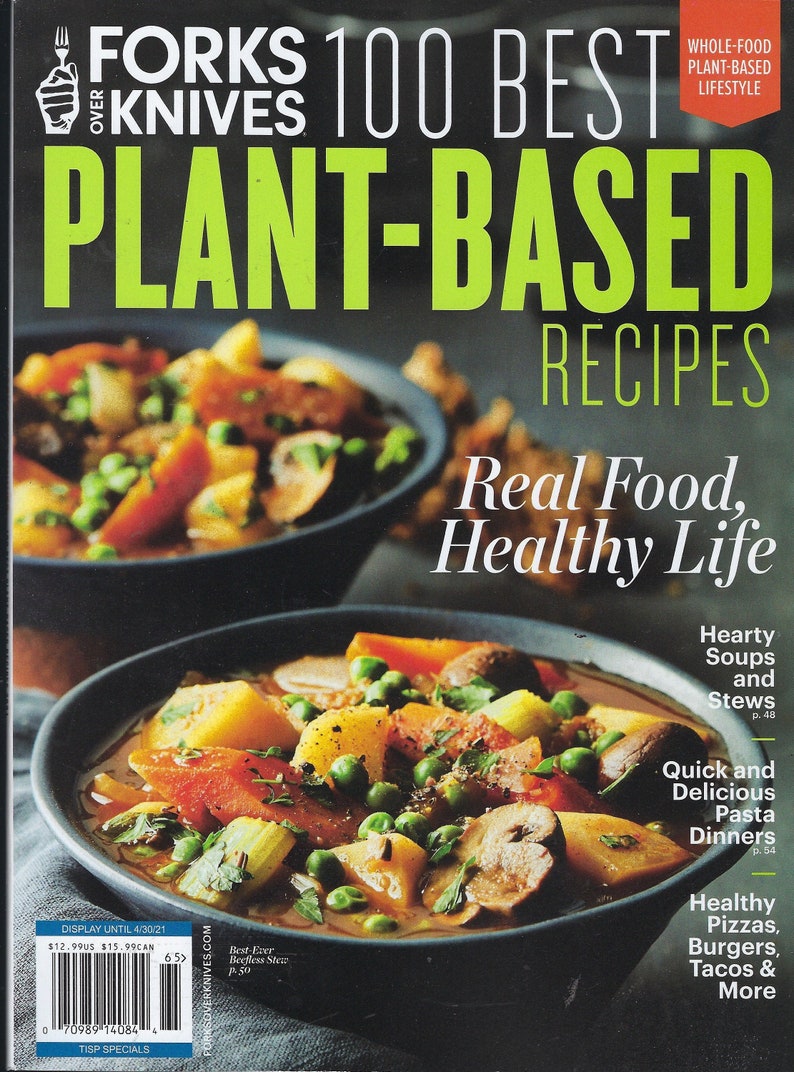
With the cooler temps finally here in the South, I wanted to try a new vegan soup recipe. But I wanted something really hearty that would be filling and I found it. This is a recipe for “Best-ever Beefless Stew” with portobello mushrooms taking the place of beef. If you’re not a fan of portobellos, I’m sure you could use another type of mushroom that would taste just as good.

I gotta say this was one of the most delicious and satisfying stews I’ve ever had! A few things I would change to the recipe is to add a little salt and pepper to taste and it also calls for fresh parsley as a topping. But I wasn’t too crazy with flavor of the parsley with the stew. I would recommend giving it a try anyways and see for yourself, you may end up liking it.

This recipe was published in the latest Forks Over Knives, “100 Best Plant-Based Recipes,” 2021 and it can also be found on their website “Best-ever Beefless Stew.” It was really easy to make with everyday ingredients.

Forks Over Knives  100 Best Plant-Based Recipes  2021 image 0

If you’re interested in purchasing a copy of this issue, it’s available on the Forks Over Knives Website.

Hope you’ll give this tasty recipe a try 😊

Thanks for stopping by!

Share the Happy!!

“Health is the first form of Wealth. Invest in yours by eating whole, unprocessed foods.” ~ Dr. Axe

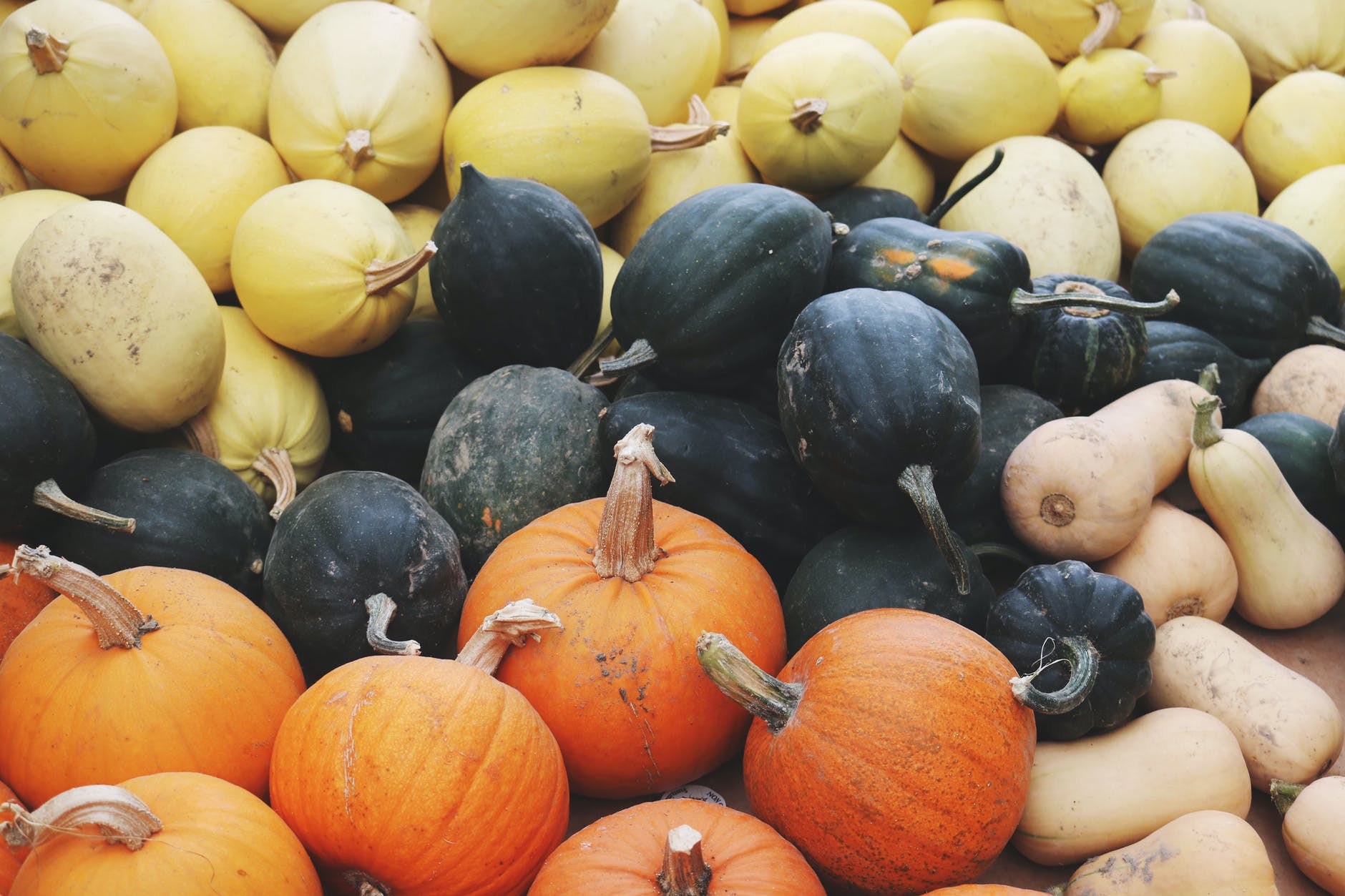
Thoughtful Thursday – Spaghetti Squash

Photo by Madison Inouye on Pexels.com

With autumn here, squash and pumpkins are in season! Spaghetti squash is one of my favorites this time of year. It’s a round/oval shaped yellow squash that can be light in color or a little more orange. It’s loaded with vitamins and minerals and is low in calories. It’s also a good source of Vitamin C, maganese and Vitamin B6.

1 Cup Cooked Spaghetti Squash contains about:

  • Calories: 42
  • Carbs: 10 grams
  • Fiber: 2.2 grams
  • Protein: 1 gram
  • Fat: 0.5 grams
  • Vitamin C: 9% of the Reference Daily Intake (RDI)
  • Manganese: 8% of the RDI
  • Vitamin B6: 8% of the RDI
  • Pantothenic acid: 6% of the RDI
  • Niacin: 6% of the RDI
  • Potassium: 5% of the RDI

Instead of eating traditional spaghetti that’s loaded with carbs and can be fattening, try making some spaghetti squash. It’s fairly easy to make and quite delicious. Although I must warn you, that cutting the spaghetti squash can be a little hard so be careful and use a sharp knife.

Recipe:

  • Cut the ends off the spaghetti squash and cut in half lengthwise.
  • Remove the seeds with a spoon.
  • Fill a shallow pan with about 1/4″ inch of water.
  • Place the spaghetti squash in the water, cut side down.
  • Bake in oven at 400 ̊F for 45 minutes or until the squash can be easily pierced with a fork. 
  • Once it’s cool enough to handle, gently scrape the inside flesh with a fork lengthwise to separate the spaghetti like strands but be careful not to break the outer shell.
  • Sprinkle with a little salt and pepper, if desired and serve with marinara sauce.

You can serve spaghetti squash in a variety of ways by adding different veggies, navy beans, chick peas or anything else that you like to eat. There are plenty of recipes online to get you started. So why not try something new and healthy too! You may be pleasantly surprised.

Thanks for stopping by!!

Share the Happy 💖

“Every human being is the author of his own health or disease.” ~Buddha

Photo by Pixabay on Pexels.com

Thoughtful Thursday – ALT Sandwich

Photo by Lisa on Pexels.com

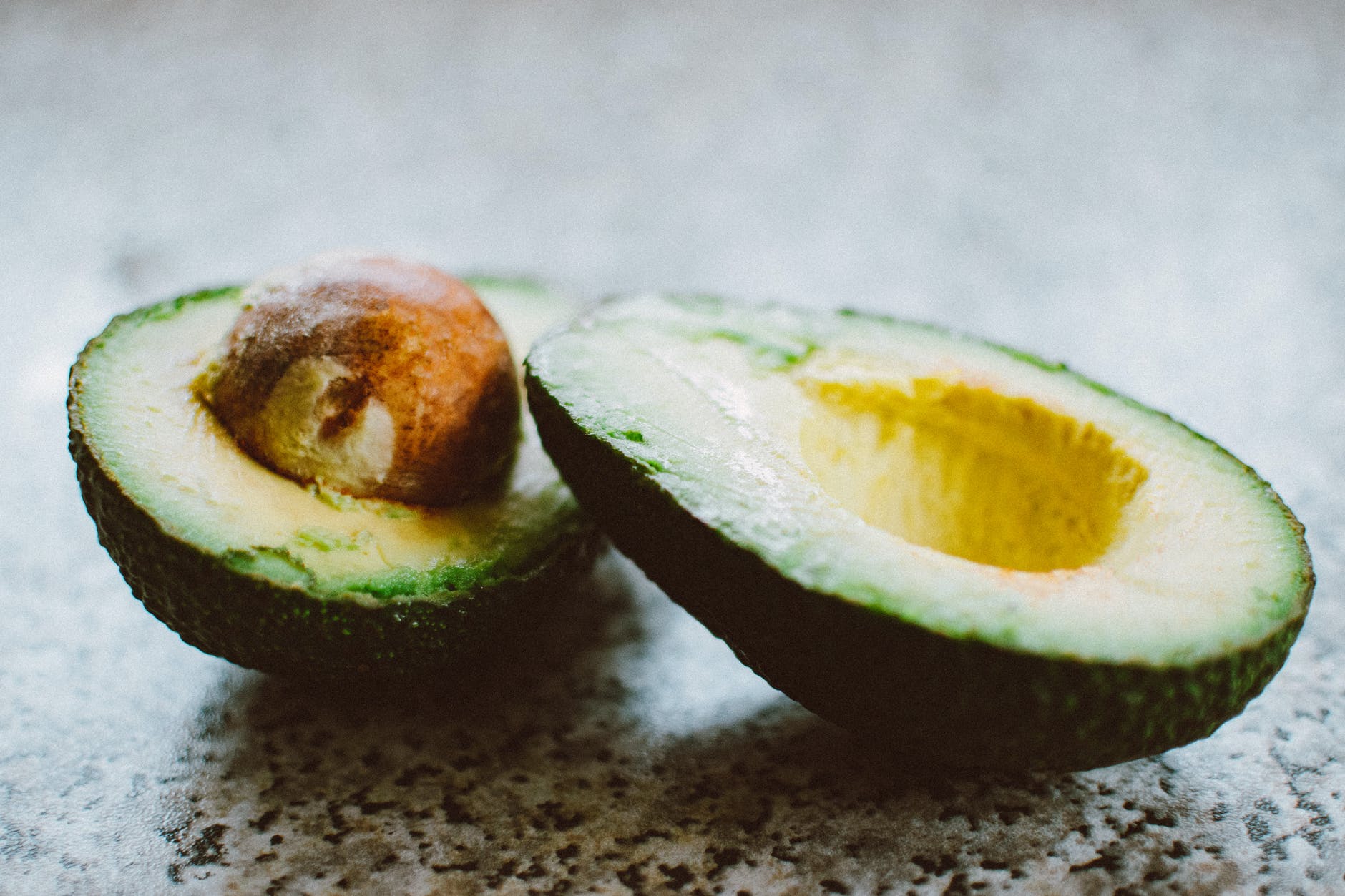
One of my favorite sandwiches used to be the BLT (bacon, lettuce, tomato). But now that I’ve gone vegan, those sandwiches are off the menu. Years ago I tried avocados. I wasn’t too crazy about them because they have a bit of a bland flavor but that can be a good thing.

The other day I wanted to make a really good sandwich and thought I’d try an ALT, avocado, lettuce and tomato. I was pleasantly surprised at how good it tasted and satisfied my hunger. It was even easier to make than a BLT because I didn’t have to cook the bacon. Plus I felt great after eating it.

I simply used 2 slices of Ezekiel bread, lightly toasted and spread with vegan mayonnaise. Then I added the avocado slices, lettuce, tomato and a little Himalayan sea salt. Voila! I had a delicious, healthy, satisfying sandwich!

Thanks for stopping by and hope you give this a try!

Share the Happy!!!

“Health is not about the weight you lose, but about the life you gain.” ~Dr. Josh Axe

Photo by Matthias Oben on Pexels.com