Thoughtful Thursday Lemon Love: Unleashing the Power of a Citrus Superstar

Photo by Elle Hughes on Pexels.com

Lemons are a versatile fruit that offer a myriad of benefits and uses beyond their tangy flavor. Rich in vitamin C, antioxidants, and various nutrients, lemons are a powerful addition to your daily routine.

I grew up with a lemon tree in the backyard, and my mom was very creative in using lemons in tasty recipes I loved making them one of my favorite fruits.

From boosting health to enhancing flavors and even household cleaning, lemons are an incredible multitasker. Let’s dive into the many ways you can benefit from this citrus superstar:

Health Benefits:

  1. Boosts Immune System: The high vitamin C content in lemons helps strengthen your immune system, warding off colds and infections.
  2. Aids Digestion: Lemon water can stimulate healthy digestion by encouraging the production of bile and improving liver function.
  3. Promotes Hydration: Adding lemon to your water can make it more flavorful, encouraging you to drink more and stay hydrated.
  4. Improves Skin Health: The antioxidants in lemons help fight free radicals, promoting clear and glowing skin.

Culinary Uses:

  1. Flavor Enhancer: Lemons add a burst of flavor to both savory and sweet dishes, from salads and marinades to desserts and beverages.
  2. Preservative: The acidity of lemons makes them a natural preservative, perfect for preventing the browning of fruits and vegetables.
  3. Baking: Lemon zest and juice are common ingredients in baking, adding a fresh and zesty flavor to cakes, cookies, and breads.

Household Uses:

  1. Natural Cleaner: Lemons have antibacterial and antiseptic properties, making them an effective natural cleaner for cutting boards, countertops, and appliances.
  2. Deodorizer: Lemon’s fresh scent can neutralize odors, making it a great choice for freshening up your kitchen, fridge, and garbage disposal.
  3. Polish: Lemon juice mixed with baking soda can create a paste that effectively polishes metal surfaces, leaving them shiny and clean.

Incorporating lemons into your daily routine can boost your health, enhance your meals, and freshen up your home. With their numerous benefits and versatile uses, lemons truly are a remarkable fruit.

Hope you found this post useful today🍋 Thanks for stopping by!

Share the Happy💖

Thoughtful Thursday WFPB

Photo by Maarten van den Heuvel on Pexels.com

As most of you know I started eating vegan due to health issues. But in the last several years companies have created many plant based products including cheese which actually tastes pretty good. So I fell into the trap of time constraints and plain old convenience.

My body started to develop aches and pains. It wasn’t anything major but it was also different than before I went vegan. I didn’t pay much mind to it but a month before we went on our holiday vacation I decided to go Whole Foods Plant Based (WFPB).

You may be asking why I did this when I’m already vegan. Here’s the scoop, a soda and bag of potato chips is vegan but is it healthy for you? The obvious answer is no because it’s highly processed, contains lots of sugar, salt and other things you can’t pronounce.

Whole Foods Plant Based (WFPB) is just that. You’re eating fruits and veggies that aren’t processed. So no plant based products made in a manufacturing plant. You buy your produce, prepare it and then eat it – plain and simple just as God intended.

Every morning when I’d wake up I would lay in bed assessing the daily aches and pains. It took about 3 weeks and I woke up one morning assessing the discomfort and to my surprise there was absolutely nothing! I felt perfectly fine. I continued to lay there because there had to be something. But nope, there was nothing. I was amazed that eating processed foods caused so much inflammation resulting in pain that I felt throughout my body especially my joints. Plus I dropped weight, my energy went through the roof and I felt like I turned the clock back 30 years!

What I learned from this is you don’t necessarily need to eat plant based foods but definitely eat whole foods. If you want to feel good, have more energy, lose weight reduce or completely eliminate the processed foods from your diet. You may be surprised at how great you can feel!

Hope this inspires you, thanks for stopping by!!

Share the Happy💖

“It’s not about eating healthy to lose weight. It’s about eating healthy to feel good.” ~Demi Lovato

Photo by Oleksandr P on Pexels.com

Thoughtful Thursday What’s in your bottled water?

Photo by Steve Johnson on Pexels.com

Would you intentionally ingest plastic? But if you drink bottled water which is sold in all types of plastic containers, that’s exactly what you’re doing.

Water is the source of all life on this planet and we each need our daily supply if we want to be healthy. But consuming plastic can’t be good for our bodies. I would prefer water bottled in a glass container which is how it was originally done but that’s not practical in today’s world.

Bottled water had been sold as early as 1622 in the United Kingdom’s Holy Well bottling plant. It was believed that natural springs had healing properties and the water was sold as a medicinal remedy. Jackson’s Spa in Boston was the first to sell bottled water in 1767.

Great technological advancements were made in the 19th century in producing glass containers that were efficient and practical. And thus Saratoga Springs in Saratoga New York started producing and selling seven million bottles of water a year in 1856.

It wasn’t until the 1930’s that plastic bottles began replacing the glass water bottles. Almost 100 years later these plastic bottles have became a refuse nightmare this planet. In the US consumers purchase about 50 billion water bottles a year which adds up to a lot of waste especially because they can last for hundreds of years before decomposing in landfills and sadly many end up in our oceans.

Now here’s where it gets pretty scary. Studies showed that 93% of samples taken from 259 popular bottled water brands, sold in several countries contained “microplastic” synthetic polymer particles, in other words tiny pieces of plastic. They also found that many of those particles were visible to the naked eye.

It was also rumored if the bottled water is heated (like leaving it in the car) or refrigerated/frozen it caused more plastic particles to seep into your water. Supposedly there were studies done claiming this rumor was false or is it true?

Bottom line is you need to take care in the amount of bottled water you consume because every time you drink it, your ingesting plastic. Personally, I try not to drink it whenever possible but sometimes you don’t have a choice. So opt for filtered fresh water or water bottled in a glass container whenever possible.

Thanks for stopping by!!

Share the Happy💖

Photo by Pixabay on Pexels.com

Thoughtful Thursday Benefits of MCT Oil

Photo by Alexander Mils on Pexels.com

Our brain is a complex organ which requires lots of energy to run efficiently on a daily basis. It controls a lot of things like our emotions, memories, thoughts, motor skills, touch, vision, breathing and more. Plus it pretty much regulates every process in our body. But as we age, our brain health may decline. So it’s really important to take care of this powerhouse so we can keep our wits about us as we get older.

MCT oil is a medium-chain triglyceride (MCT) which is more easily digested than longer-chain fatty acids found in foods. The most common form of MCT oil is extracted from coconut oil since 50% of the fat in coconut oil comes from MCTs.

MCT oil is excellent for brain health and has been shown to help manage Alzheimer’s, Epilepsy and Autism. Plus it may help reduce body fat, improve your gut health, fight bacterial growth, increase energy, reduce inflammation and manage blood sugar levels and more.

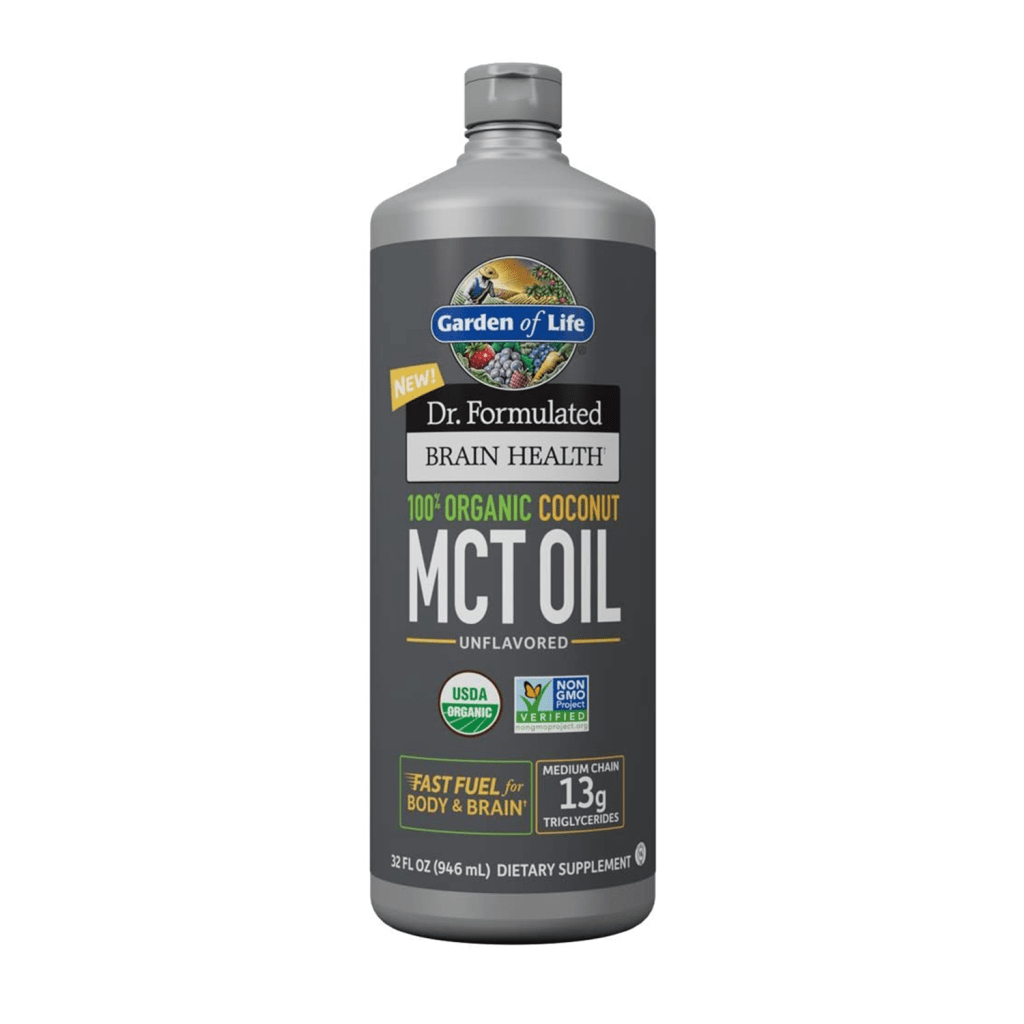
I’ve been using Garden of Life Organic MCT Oil for the last year and have noticed an improvement in my brain health. I feel more mentally alert, energetic and overall better. I add 1 tablespoon, one or two times a week to my shakes and smoothies. I don’t notice a flavor difference so I have no problem consuming it and I love how I feel! You can find it on Amazon or click on the image below.

I highly recommend Organic MCT Oil by Garden of Life, it’s been a life changer. However, as with any dietary change please consult with your health care provider to make sure this is a good fit for you. (Note: by clicking on the link or image above it will take to the corresponding product in your region’s Amazon store. This Affiliate link means that I’ll get a small commission when you buy through my website. Thanking you in advance!!)

Thanks for stopping by!!

Share the Happy 💖

“The preservation of health is easier than the cure of the disease.” ~Unknown

Photo by Johannes Plenio on Pexels.com

Thoughtful Thursday Toxic Coffee

Photo by Bu00fcu015franur Aydu0131n on Pexels.com

Who doesn’t like a good cup of coffee? In the United States it’s the number 1 beverage we consume. On average, a person drinks 3 cups of coffee per day or 1,095 cups a year. That’s a lot of coffee! Most think that coffee is safe and somewhat healthy to drink. But there’s so much more you don’t know even know about. After you read this, you may not look at your morning cup of Joe the same way.

Coffee used to be grown in the shade where the plants thrived. However, because of it’s popularity it’s now grown for mass production and as a result it’s the most intensively sprayed crop in the world. The crops require large amounts of fertilizer, pesticide and fungicide which make coffee toxic for consumers and also those who work and live in areas where coffee is produced.

Endosulfan is a pesticide that’s commonly used to combat a coffee consuming bug called a cherry borer. This pesticide is toxic to most animals and can affect the central nervous system, kidneys, liver and reproductive organs. Plus it’ has even been responsible for human death. That in itself is scary but wait there’s more…

Triadimefon is a copper based fungicide that’s only slightly toxic to birds and little is known of the toxicity to humans. But it’s suspected it may cause reproductive problems and even hyperactivity.

Chlorpyrifos is yet another chemical that can be found in your morning coffee. This is a pesticide that affects the central nervous system, can cause birth defects and even in some cases has caused death in humans. The EPA has been working on getting this highly toxic chemical out of our food supply but some things still have it.

With every cup of coffee you drink, you’re ingesting these chemicals. So if you can’t start your day with a cup of coffee, opt for organic. It may not be completely free of chemicals but it is far better than conventionally grown coffee.

Hope this didn’t scare you too much but it should be an eye opener so you can make better decisions about your health.

Thanks for stopping by!!!

Share the Happy 💖

“A healthy outside starts from the inside.” ~Robert Urich

Thoughtful Thursday Microgreens vs Sprouts

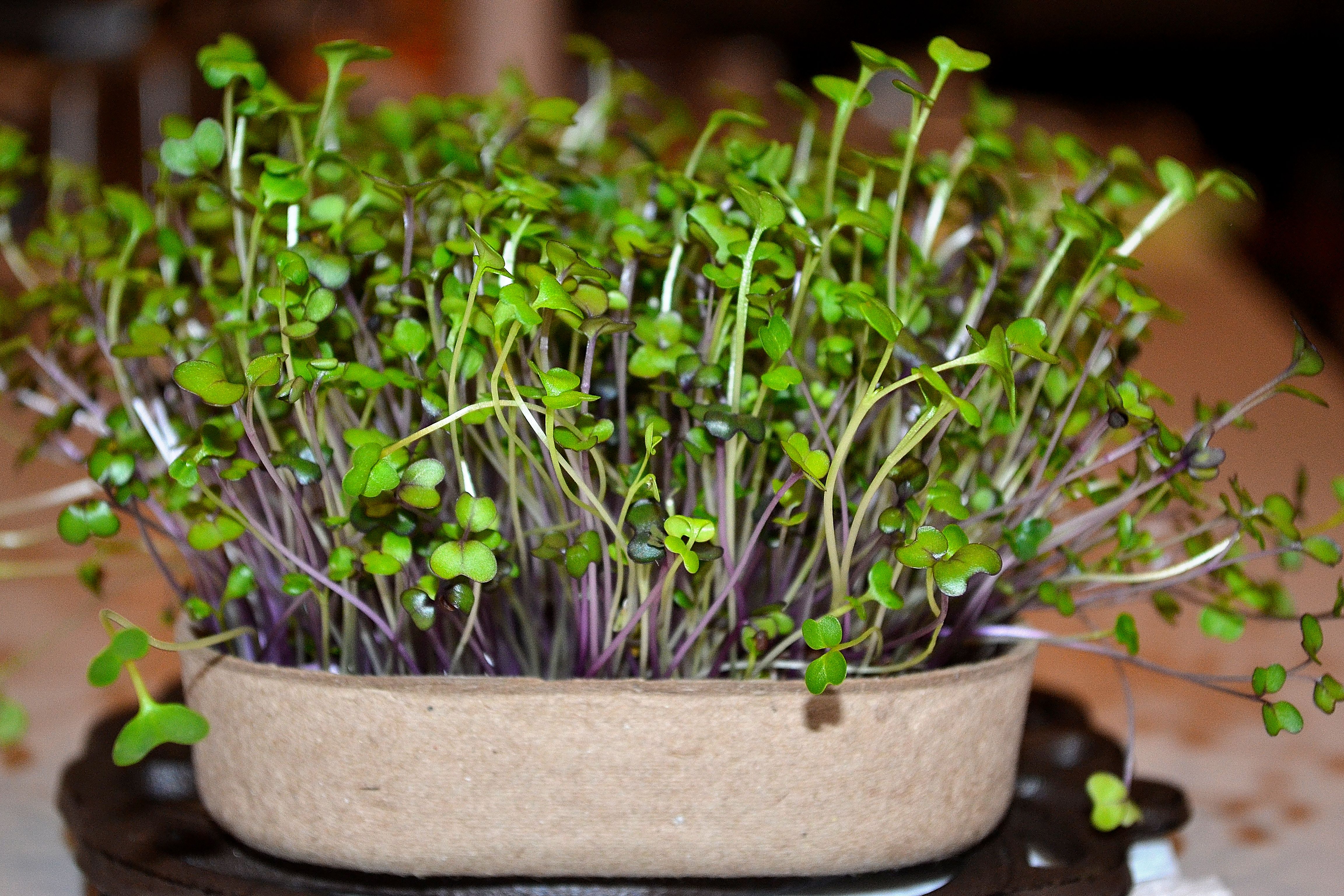
Microgreens and Sprouts are both very healthy additions to your diet especially if you’re trying to get all of your essential minerals and vitamins without pills or supplements. Both of these can help you lose weight, lower your cholesterol and even help improve your mental health and so much more. But what exactly is the difference?

For starters microgreens are young shoots of a plant while sprouts are germinated seeds. Microgreens you’re eating the small plant minus the roots because you cut them at the soil whereas sprouts you’re eating the whole thing. Another difference is in how they’re grown. I created the chart below to give you a better idea:

In regards to what which one provides the best nutrition, that award goes to the microgreens. Although sprouts are very healthy to eat and provide lots of nutrition, along with fiber and protein they just don’t compare to power of microgreens.

Studies have shown that microgreens give you the vitamins and minerals of a full grown plant all packed into a small little plant. These little guys are just loaded with everything a sprout has but lots more of it. Pound for pound, microgreens provide more vitamins, minerals, protein and fiber than sprouts.

I’ve grown both and love them! They’re delicious on their own but I love to add them to salads, sandwiches, smoothies and just about anything else I can think of. Ultimately, it comes down to you and what you’re willing to do to get and stay healthy.

I hope you found this post helpful today. Thanks for stopping by!!!

Share the Happy 💖

“Those who think they have not time for healthy eating, will sooner or later have to find time for illness.” ~Unknown

Thoughtful Thursday Vegan Pumpkin Smoothie Recipe

Photo by Kindel Media on Pexels.com

Pumpkin pie is one of my favorite treats for Thanksgiving but that only comes once a year. So to get into the spirit of Autumn sooner I love making pumpkin smoothies.

When you slowly sip this savory drink bursting with flavors of cinnamon, ginger and nutmeg you can’t help but to sit back and take a moment to truly enjoy the season. This recipe is very easy to make and is super delicious! I always try to use organic ingredients when they’re available.

Pumpkin Smoothie

  • 1 C Unsweetened Almond Milk
  • 1/2 Can Organic Pumpkin Puree
  • 1 Small Ripe Banana
  • 3 Tbsp Organic Rolled Oats
  • 2 Organic Pitted Dates
  • 1.25 tsp Cinnamon
  • 1/4 heaping tsp Ginger
  • 1/8 heaping tsp Nutmeg
  • 1/2 Tbsp Maple Syrup
  • 1 C Ice
  • 1/2 Hass Avocado (optional) *

Place all ingredients in the blender and blend until smooth. Top with sprinkled cinnamon and enjoy! (Makes about 2 glasses)

* Note: If you prefer a thicker, creamier smoothie the avocados do the trick. They have a mild flavor and give you more of a milkshake consistency. But I would try it first without the avocado because you can always add it later, it should be thick enough without it 🎃 Another trick is to use 2 Tbsp Organic Chia seeds. Soak them overnight in water and add them to your smoothie mix and blend.

Thanks for stopping by!!

Share the Happy 💖

Thoughtful Thursday Juicing

Photo by Toni Cuenca on Pexels.com

Most of us abuse our bodies for years with bad eating habits before an illness shows up. Once it does we chalk it up to “it’s a part of aging.” But I highly disagree. I’ve seen friends and family make dietary changes and either improve their condition or cure the illness completely. I have also experienced these changes.

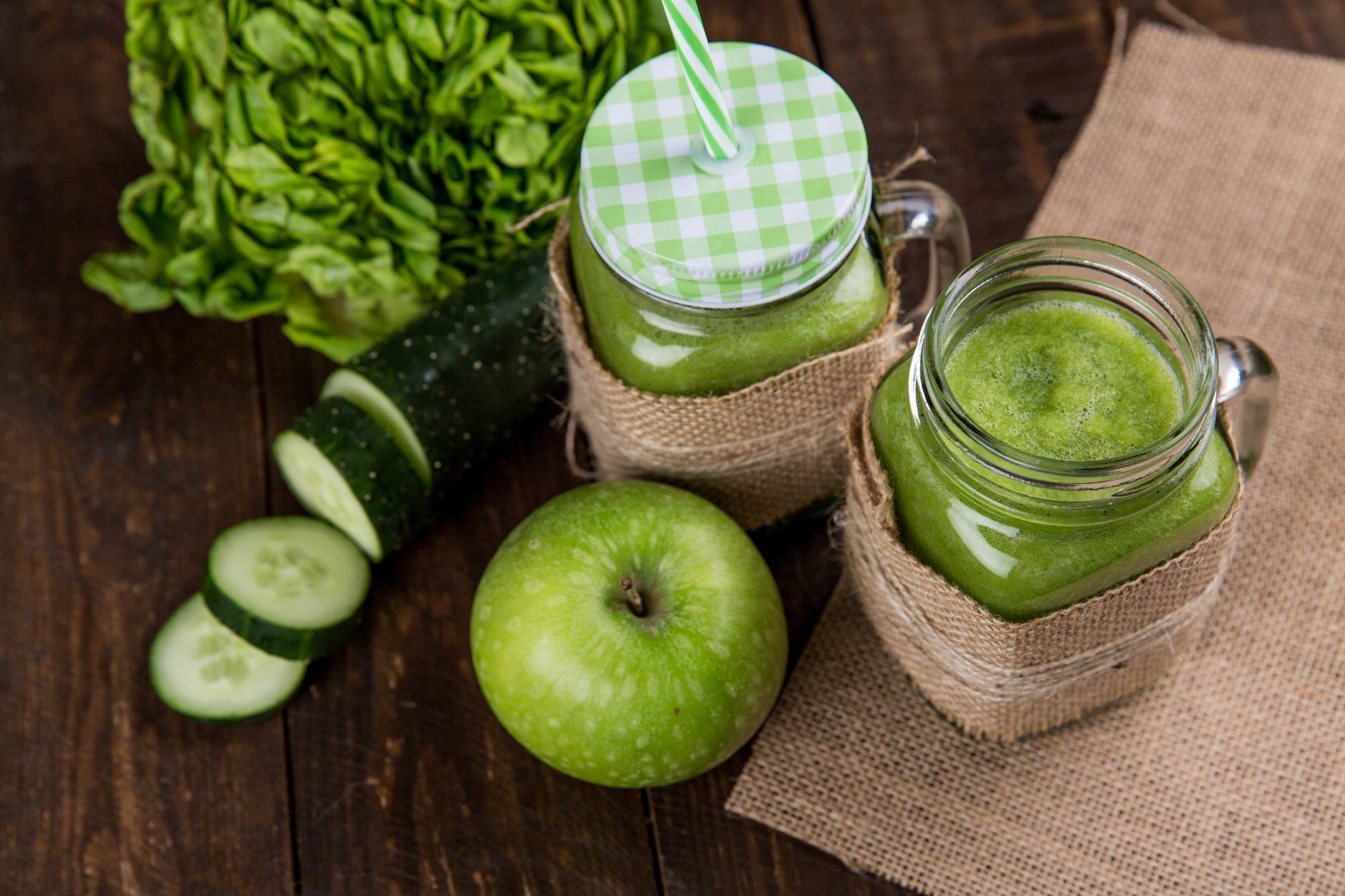
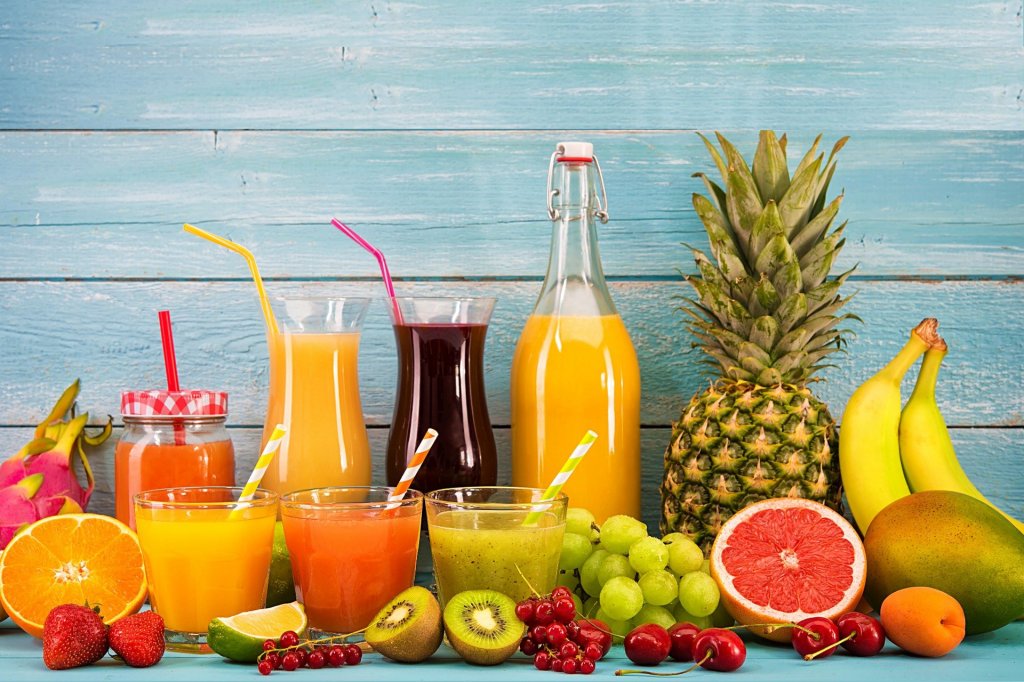
Juicing is an easy way to supplement your present diet with lots of vitamins and minerals that you normally wouldn’t eat especially if fruits and veggies aren’t your favorite. I can tell you that the juice recipes today are quite delicious and filling and have come a long way since yesteryear. I replaced 1 meal a day with 2 glasses of fresh juice. Depending on what’s in the recipe, I might use the blender or the juicer. The main difference is the blender uses everything you put in while the juicer extracts the juice and discards the pulp or fiber.

I feel my best when I include fresh juices in my diet. When I first started I noticed a lot of changes. I had lots of energy. The brain fog that I didn’t even know I had was gone. Plus all the aches and pains I felt had disappeared. I felt fantastic!

You don’t need to make radical changes to your diet, but at least modify it somewhat and add in fresh vitamins and minerals with juicing. Taking a vitamin may help improve things but it doesn’t come close to fresh nutrients. There are lots of books on juicing but one of my favorites is “The Healthy Green Drink Diet” by Jason Manheim which is available on amazon.

Hope this inspires you to great health!

Thanks for stopping by!!!

Share the Happy 💖

“Health is the greatest blessing of human beings.’ ~Hippocrates

Photo by Valeria Ushakova on Pexels.com

Thoughtful Thursday Best-ever Beefless Stew

Photo by Egor Kamelev on Pexels.com

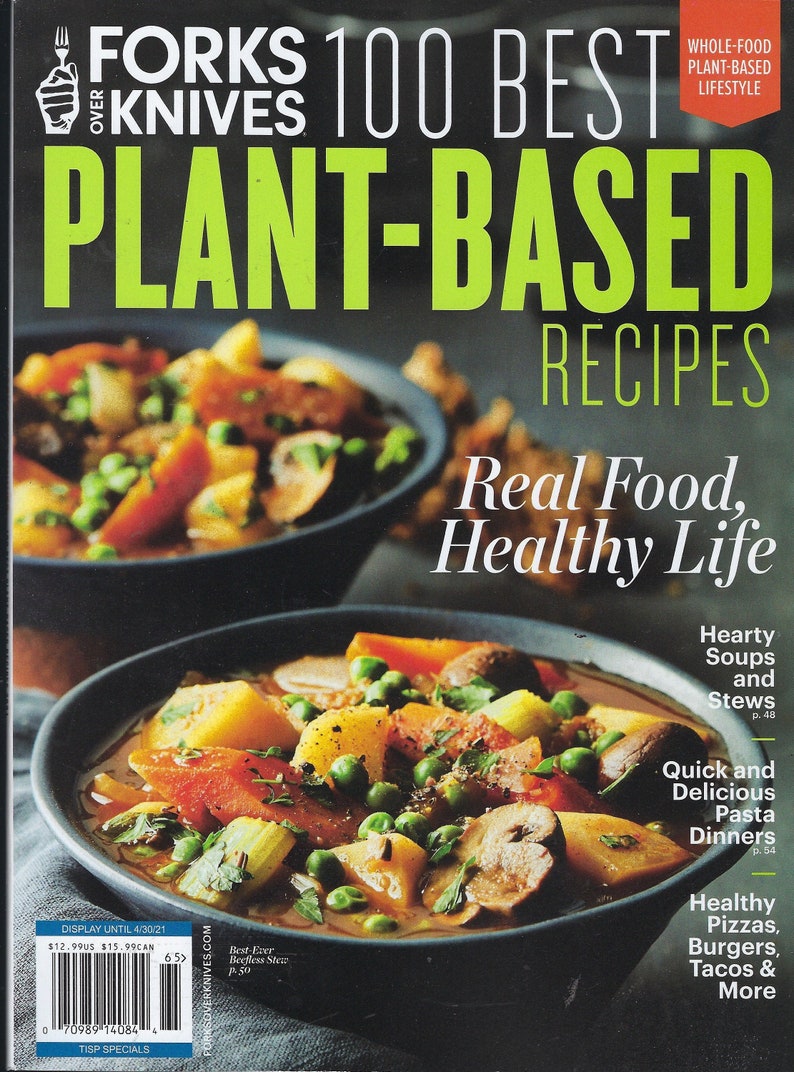
With the cooler temps finally here in the South, I wanted to try a new vegan soup recipe. But I wanted something really hearty that would be filling and I found it. This is a recipe for “Best-ever Beefless Stew” with portobello mushrooms taking the place of beef. If you’re not a fan of portobellos, I’m sure you could use another type of mushroom that would taste just as good.

I gotta say this was one of the most delicious and satisfying stews I’ve ever had! A few things I would change to the recipe is to add a little salt and pepper to taste and it also calls for fresh parsley as a topping. But I wasn’t too crazy with flavor of the parsley with the stew. I would recommend giving it a try anyways and see for yourself, you may end up liking it.

This recipe was published in the latest Forks Over Knives, “100 Best Plant-Based Recipes,” 2021 and it can also be found on their website “Best-ever Beefless Stew.” It was really easy to make with everyday ingredients.

Forks Over Knives  100 Best Plant-Based Recipes  2021 image 0

If you’re interested in purchasing a copy of this issue, it’s available on the Forks Over Knives Website.

Hope you’ll give this tasty recipe a try 😊

Thanks for stopping by!

Share the Happy!!

“Health is the first form of Wealth. Invest in yours by eating whole, unprocessed foods.” ~ Dr. Axe

Thoughtful Thursday – Spaghetti Squash

Photo by Madison Inouye on Pexels.com

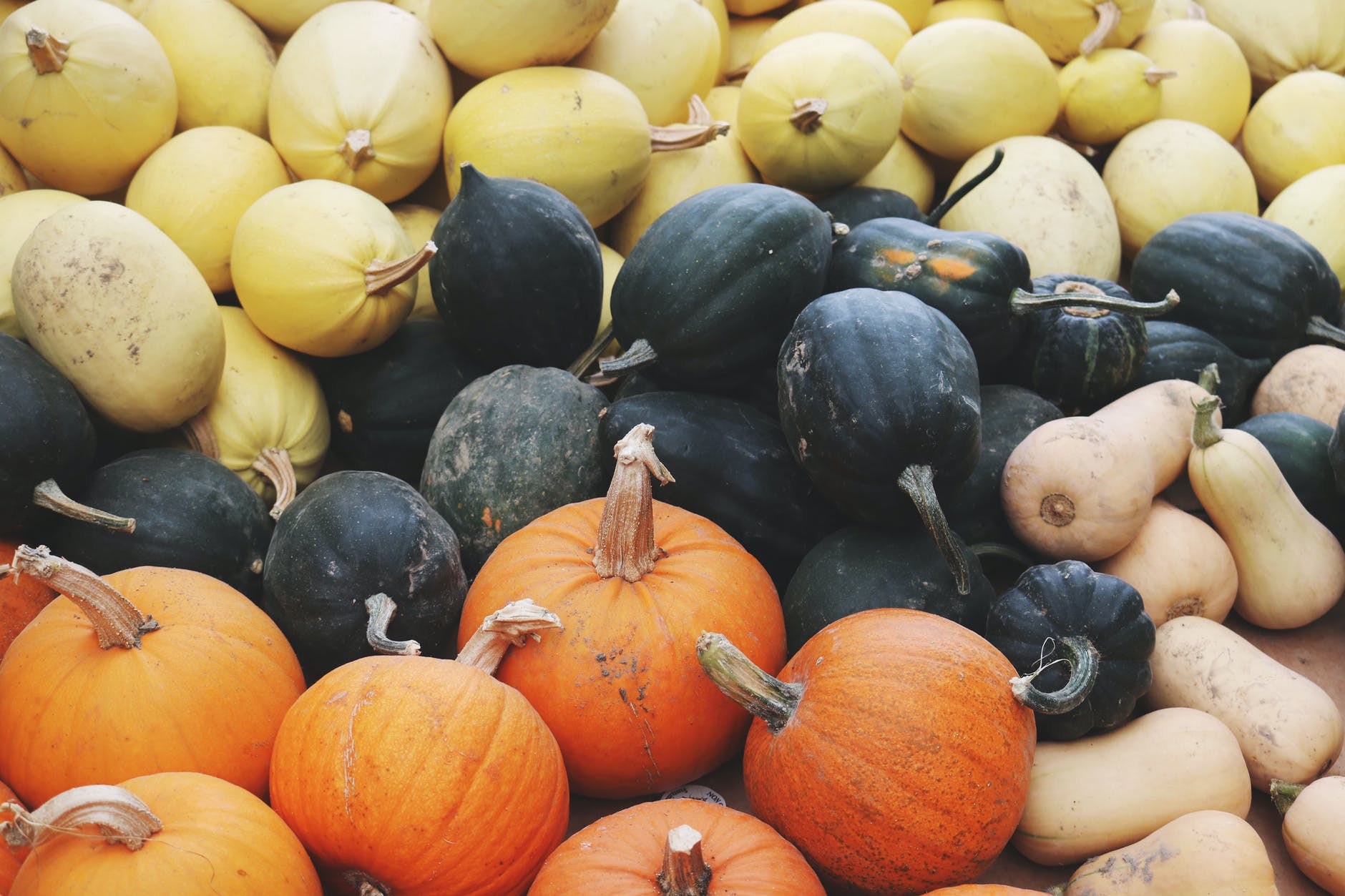
With autumn here, squash and pumpkins are in season! Spaghetti squash is one of my favorites this time of year. It’s a round/oval shaped yellow squash that can be light in color or a little more orange. It’s loaded with vitamins and minerals and is low in calories. It’s also a good source of Vitamin C, maganese and Vitamin B6.

1 Cup Cooked Spaghetti Squash contains about:

  • Calories: 42
  • Carbs: 10 grams
  • Fiber: 2.2 grams
  • Protein: 1 gram
  • Fat: 0.5 grams
  • Vitamin C: 9% of the Reference Daily Intake (RDI)
  • Manganese: 8% of the RDI
  • Vitamin B6: 8% of the RDI
  • Pantothenic acid: 6% of the RDI
  • Niacin: 6% of the RDI
  • Potassium: 5% of the RDI

Instead of eating traditional spaghetti that’s loaded with carbs and can be fattening, try making some spaghetti squash. It’s fairly easy to make and quite delicious. Although I must warn you, that cutting the spaghetti squash can be a little hard so be careful and use a sharp knife.

Recipe:

  • Cut the ends off the spaghetti squash and cut in half lengthwise.
  • Remove the seeds with a spoon.
  • Fill a shallow pan with about 1/4″ inch of water.
  • Place the spaghetti squash in the water, cut side down.
  • Bake in oven at 400 ̊F for 45 minutes or until the squash can be easily pierced with a fork. 
  • Once it’s cool enough to handle, gently scrape the inside flesh with a fork lengthwise to separate the spaghetti like strands but be careful not to break the outer shell.
  • Sprinkle with a little salt and pepper, if desired and serve with marinara sauce.

You can serve spaghetti squash in a variety of ways by adding different veggies, navy beans, chick peas or anything else that you like to eat. There are plenty of recipes online to get you started. So why not try something new and healthy too! You may be pleasantly surprised.

Thanks for stopping by!!

Share the Happy 💖

“Every human being is the author of his own health or disease.” ~Buddha

Photo by Pixabay on Pexels.com